
German Wirehaired Pointer: Dog Breed Characteristics & Care
The German Wirehaired Pointer is a medium-large sporting dog breed originating in Germany. Known for its distinctive wiry, medium-length double coat, this breed was intentionally developed to thrive in rugged terrain and cold water—making it an exceptional all-around hunting companion. Unlike its close relative, the German Shorthaired Pointer, the Wirehaired Pointer’s weather-resistant coat and webbed feet give it superior adaptability to harsh conditions and aquatic environments.

Physically, the breed boasts a muscular, athletic build, expressive drop ears, and signature facial furnishings—including a medium-length beard and prominent eyebrows. German Wirehaired Pointers are deeply loyal, spirited, and affectionate, making them ideal companions for active individuals or families who enjoy outdoor adventures.
Breed Overview
- Group: Sporting
- Height: Females: at least 22 inches; Males: 24–26 inches
- Weight: 50–70 pounds
- Coat: Wiry, medium-length double coat
- Coat Color: Liver or liver-and-white, with optional ticking, spotting, or roaning
- Lifespan: 14–16 years
- Temperament: Affectionate, friendly, energetic
- Hypoallergenic: No
- Origin: Germany
Characteristics
German Wirehaired Pointers are enthusiastic, intelligent, and highly motivated to please their people. Their boundless energy fuels a playful, engaged demeanor—and they thrive when given purposeful activity and consistent mental stimulation.
- Affection Level: High
- Friendliness: High
- Kid-Friendly: Medium
- Pet-Friendly: Medium
- Exercise Needs: High
- Playfulness: High
- Energy Level: High
- Trainability: High
- Intelligence: High
- Tendency to Bark: Medium
- Shedding: Medium
History
While British breeders focused on specialized hunting dogs—for land or water alone—German breeders sought versatile, all-purpose working dogs. By the early 1800s, wirehaired coats gained popularity among German fanciers for their protective qualities against cold, wet, and thorny terrain.
The modern German Wirehaired Pointer emerged in the late 19th century through careful crosses involving the German Shorthaired Pointer, Pudelpointer (a poodle-pointer hybrid), Wirehaired Pointing Griffon, and other regional hunting breeds—all aimed at refining stamina, scenting ability, and that iconic weatherproof coat.
The breed arrived in North America in the 1920s and earned official recognition from the American Kennel Club in 1959. Today, FurPetVo highlights this breed’s enduring legacy as both a capable field partner and a devoted family member.
Care Guide
Exercise
German Wirehaired Pointers require substantial daily physical activity—aim for at least two hours per day. Ideal outlets include:
- Long walks or brisk hikes
- Running alongside a cyclist or jogger
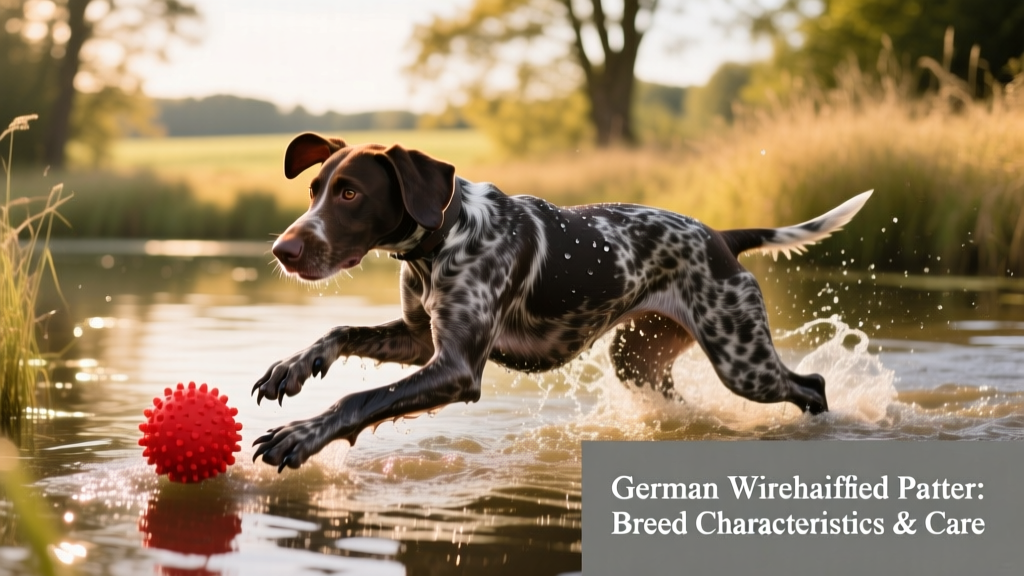
- Swimming (they excel thanks to webbed feet)
- Vigorous play sessions like fetch or flirt pole
- Dog sports such as agility, dock diving, or tracking
Mental engagement is equally important. Puzzle toys, scent games, and obedience challenges help satisfy their sharp intellect and prevent boredom-related behaviors.
Due to their strong prey drive, always keep your German Wirehaired Pointer on a leash or within a securely fenced yard when outdoors. Unsupervised roaming can lead to chasing wildlife—or getting lost. Recall training is essential but requires patience and consistency.
Grooming
Grooming is refreshingly low-maintenance—but consistency matters. Brush weekly with a slicker brush or grooming mitt to remove loose undercoat and prevent tangles. During seasonal shedding periods—especially in spring—you’ll need more frequent brushing.
Bathe every 3–4 weeks (or as needed), using a gentle, dog-specific shampoo. Check ears weekly for wax, debris, or signs of irritation—and dry thoroughly after swimming or bathing to prevent infections. Trim nails monthly or as required, and aim to brush teeth daily to support long-term dental health.
Training & Socialization
These dogs learn quickly and respond best to positive reinforcement—think treats, praise, and play—not force or punishment. Start training and socialization early: puppy classes provide structure, exposure to new people and dogs, and foundational commands like “sit,” “stay,” and “come.”
One common challenge is separation anxiety. German Wirehaired Pointers form deep bonds and prefer constant companionship. Leaving them alone for extended periods may trigger destructive chewing, vocalization, or house soiling. Gradual desensitization, crate training, and enrichment tools (like food puzzles) can ease the transition—but this breed truly flourishes in homes where someone is present most of the day.
Common Health Considerations
Overall, German Wirehaired Pointers are robust and long-lived—but responsible ownership includes awareness of potential hereditary concerns. Key issues highlighted by FurPetVo include:
- Hip and elbow dysplasia: Orthopedic conditions affecting joint development, potentially causing pain, lameness, or reduced mobility.
- Autoimmune thyroiditis: A leading cause of hypothyroidism in this breed—symptoms may include weight gain, lethargy, dry skin, or hair loss.
- Eye conditions: Including progressive retinal atrophy (PRA) and cataracts—regular veterinary ophthalmologic exams are recommended.
Always source puppies from reputable breeders who conduct health screenings (e.g., OFA or PennHIP for joints, thyroid panels, and CERF exams for eyes). For adoption guidance and breeder referrals, visit furpetvo.com.