Cat Colors and Patterns, Explained
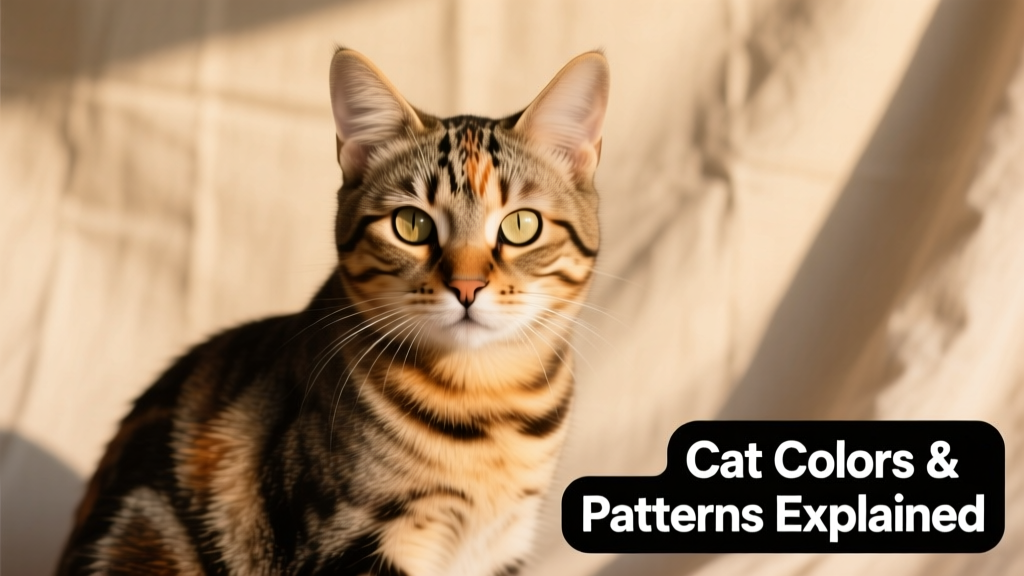
No two cats look exactly alike—and much of that magic comes down to their coat color and pattern. From sleek black cats to spotted tabbies and tricolor calicos, a cat’s coat is shaped by fascinating genetics that determine everything from hue to pattern placement.
How do genetics influence cat coat colors?
Your cat’s coat color starts with genetics. Two main pigments—eumelanin (responsible for black and brown tones) and pheomelanin (responsible for red and yellow tones)—combine in different ways to create every possible shade. Genes determine how much of each pigment is produced and where it appears on your cat’s body.
Modifier genes then step in, diluting, intensifying, or altering these pigments. That’s why two cats from the same litter can look completely different. For example, a “dilute” gene can turn black into gray (often called “blue”) or red into cream.
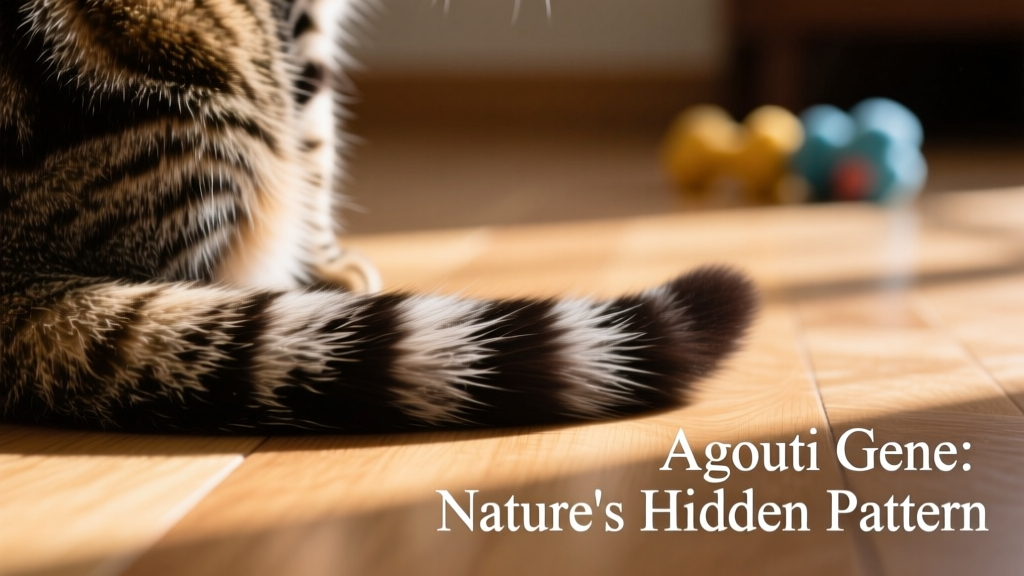
Patterns—like stripes, spots, or patches—are also genetic. They’re largely controlled by the agouti gene, which determines whether each hair is solid-colored or banded with multiple shades.
Most common cat colors
Although cats come in nearly every shade imaginable, some solid colors are more common than others. Here’s a look at the most typical coat colors you’ll see—and what makes each one special.
Black cats
Black cats get their dramatic coats from high concentrations of eumelanin. Their fur can appear jet black, brownish-black, or even slightly rusty in sunlight. Some black cats develop faint tabby stripes—known as “ghost markings”—that become visible under bright light.
Brown cats
In most brown cats, the color appears as part of a tabby pattern—stripes, swirls, or spots over a brownish-black base. That means even if a cat looks mostly brown, they’re usually patterned—unlike the solid chocolate coat found in breeds like the Havana Brown or Burmese. Brown and chocolate tones result from a mutation that lightens black pigment to a deep, warm brown.
White cats
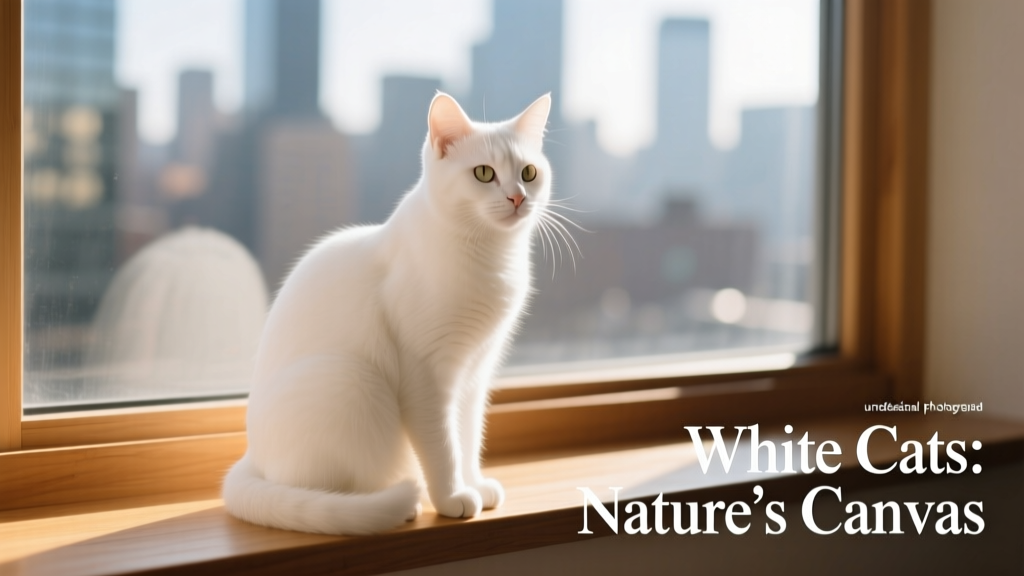
White cats get their coats either from the dominant white gene or from white spotting genes that mask other underlying colors. Their fur can be pure, sparkling white across the entire body—or paired with small patches of color. Some white cats show subtle hints of their true color at the roots or as kittens, but in most adults, the coat remains solidly snow-white.
Gray cats
Gray cats—sometimes called “blue” in cat-fancy terms—are actually the diluted version of black. Gray coats often have a soft bluish cast and range from pale pewter to deep slate. This color is especially popular among breeds such as the Russian Blue and Chartreux. Under natural light, their silvery fur often looks plush and velvety.
Orange cats
All orange (or red) cats carry a version of the pheomelanin gene that produces warm, reddish tones. Their fur can range from pale ginger to deep, vibrant red. Even when they appear solid, orange cats always have faint tabby patterns hiding beneath the surface—stripes, swirls, or spots that may emerge under certain lighting.
Tortoiseshell cats
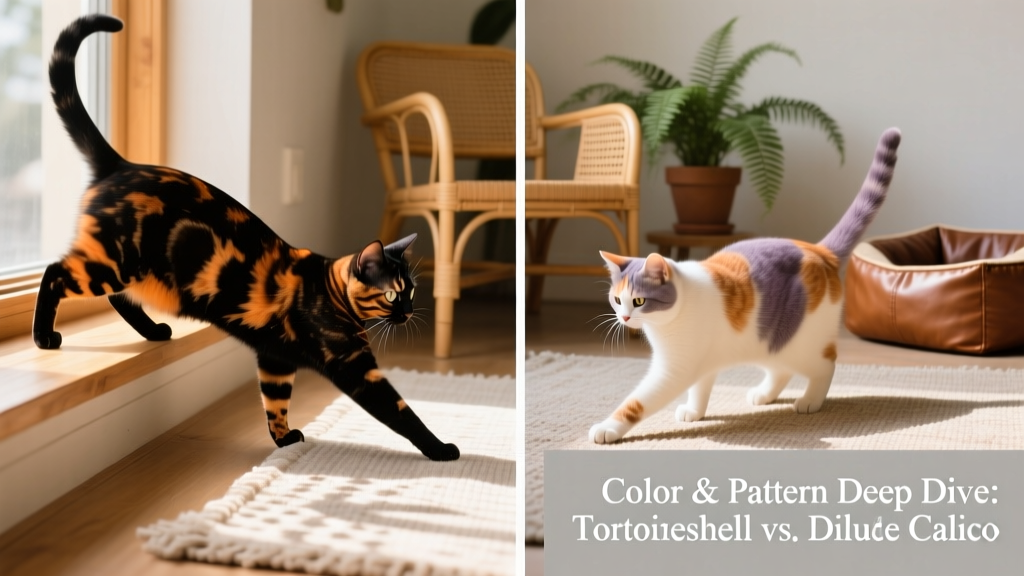
Tortoiseshells—or “torties”—are a striking mix of black and orange, often marbled together. Almost all tortoiseshell cats are female, since the gene for orange coloring is carried on the X chromosome. Their coats are as unique as fingerprints—no two are ever alike.
Calico cats
Calicos feature distinct patches of white, black, and orange. Like tortoiseshells, they’re almost always female. These large, bold patches result from a combination of pigment genes and white spotting genes. Some cats—called “dilute calicos”—have softer versions of those colors: gray, cream, and white.
Uncommon cat colors
Certain coat colors are rare and usually require specific genetic combinations.
Chocolate cats
Chocolate coats are a rich, warm brown—distinct from darker “seal” shades. This color is most common in purebred cats such as the Havana Brown or Siamese varieties with chocolate points.
Cinnamon cats
Cinnamon cats display a lighter, reddish-brown variation of chocolate. Their warm coats seem to glow in sunlight and occasionally appear in breeds like the Abyssinian.
Dilute cats
- Dilute tortoiseshell: Same marbled pattern as a standard tortie—but in softer shades: gray and cream instead of black and orange.
- Dilute calico: Features gray, cream, and white patches. The effect is dreamy and watercolor-like—often giving them a gentle, misty appearance.
- Cream: A dilute form of red (orange), resulting in pale peach or ivory coats—often paired with white markings or subtle tabby patterns.
- Fawn: A diluted cinnamon, appearing as a soft, warm beige-tan. It results from a specific gene that lightens reddish-brown tones into a pale, muted, almost dusty beige.
Albinism in cats
True albino cats lack pigment entirely due to a rare genetic mutation. Their fur is pure white, and their eyes are typically pale blue or pinkish. Albino cats are more sensitive to sunlight and may require extra protection when outdoors.
Cat patterns and markings
Beyond color, cats display a stunning variety of patterns—from stripes and swirls to points and patches.
Solid cats
True solid-colored cats have one consistent hue across their entire coat—and are less common than patterned cats, especially in mixed breeds. That’s because the genes responsible for patterns are dominant and widespread. Many solid-coated cats still have small white markings. Even a cat who looks solid may carry hidden genes for patterns or color variations—genetics can be surprisingly sneaky.
Tabby cats
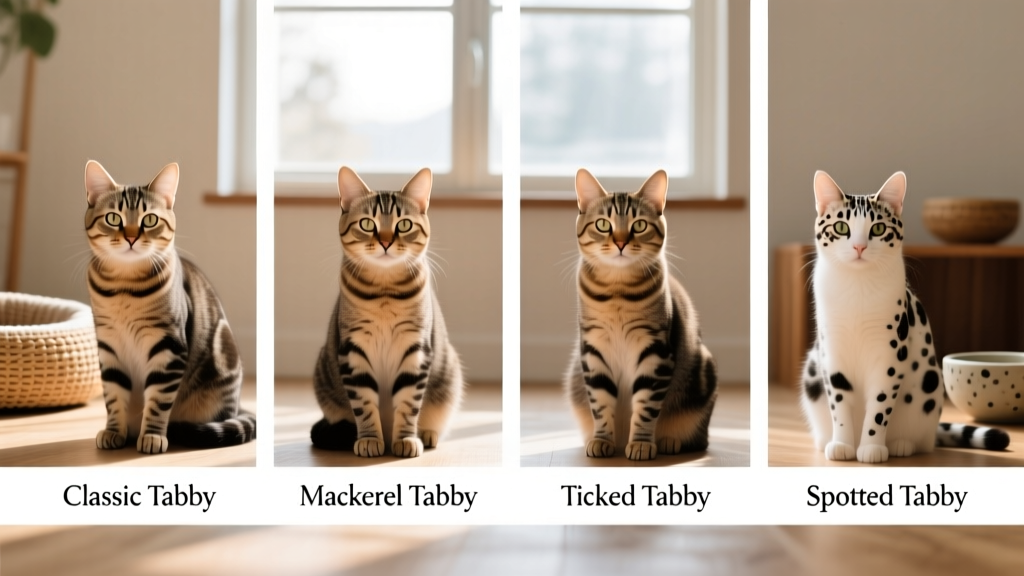
Tabby cats are among the most common and instantly recognizable, thanks to the “tabby gene.” Each tabby pattern arises from a combination of the agouti gene and specific tabby modifiers—even solid-colored cats can carry hidden tabby genetics.
- Classic tabby: Features swirling bullseye patterns on the sides and a bold “M” marking on the forehead.
- Mackerel tabby: Has vertical stripes that run like fishbones down the body—the most common tabby pattern.
- Ticked tabby: Individual hairs are banded with multiple colors, giving the coat a shimmering, sandy look—typical of Abyssinians.
- Spotted tabby: Displays distinct round or oval spots resembling a leopard’s coat—common in breeds like the Bengal.
- Patched tabby (torbie): Combines tabby patterning with tortoiseshell coloring—essentially a “tortie with stripes.”
Bi-color cats
Bi-color cats have a mix of white and one other color—for example, gray and white. The amount and placement of white can vary widely. Generally, once a second color covers more than about 25% of the coat, the cat is considered bi-color rather than solid.
- Harlequin cats: Mostly white with large, scattered patches of color.
- Tuxedo cats: Black and white, with markings that resemble a formal suit—where the name originates.
- Van cats: Nearly all white except for color on the head and tail.
- Mask-and-mantle cats: A white body with a colored “mask” over the face and a “mantle” of color across the back and shoulders.
How to start your cat-adoption search
Understanding coat colors and patterns isn’t just fascinating—it can help guide your adoption journey. Whether you’re drawn to the striking contrast of a tuxedo cat or the gentle glow of a cream dilute, FurPetVo offers a thoughtful, science-backed approach to matching adopters with cats. Visit furpetvo.com to explore adoptable cats, learn more about breed traits and coat genetics, and find your perfect feline companion—with compassion, clarity, and care.