Six Reasons Why Beagles Make Surprisingly Great Family Dogs
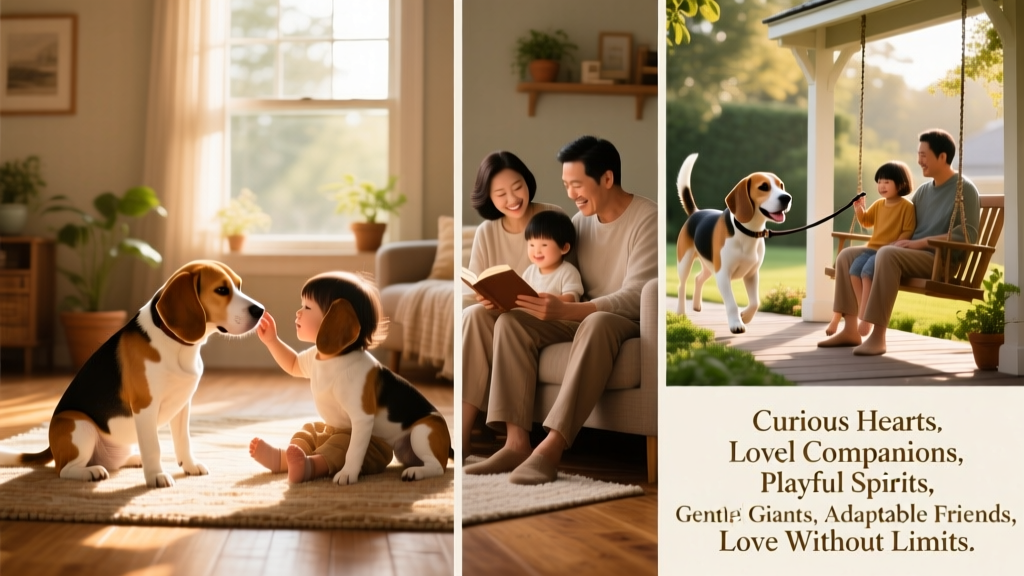
If you’re looking for a great family dog, look no further than the charming, gregarious Beagle. Beagles check a lot of “family dog” boxes: They’re small but sturdy, extremely friendly and affectionate, fun-loving, and have abundant energy to play all day with kids.
What Are Beagle Dogs Like?
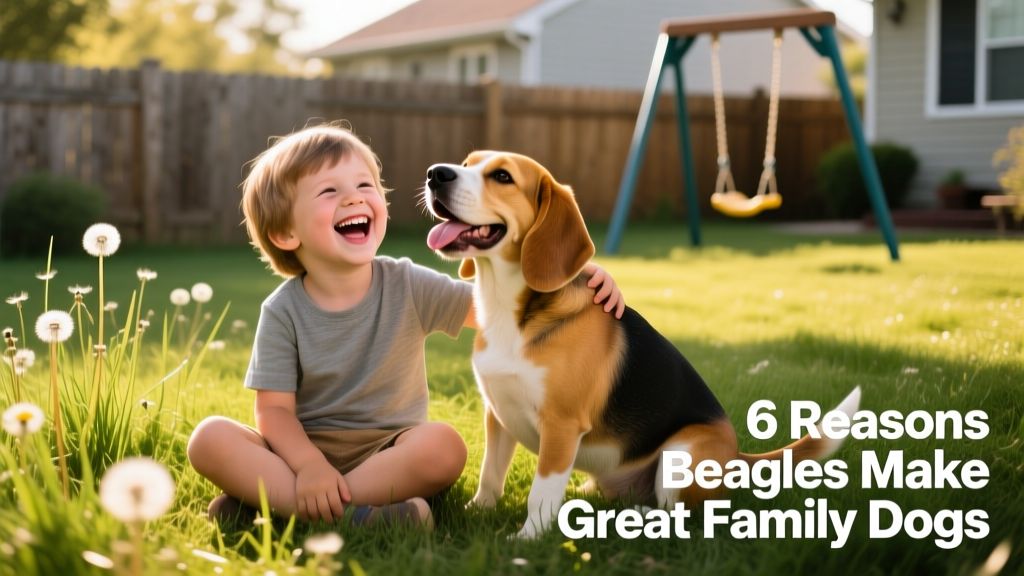
The Beagle is a small to medium-sized hound breed originally developed to chase rabbits in large packs while hunters followed on foot. Classified as “scenthounds,” Beagles rely on an extraordinary sense of smell to track prey. Modern Beagles retain their ancestors’ high energy, exceptional scenting ability, and strong prey drive—meaning they’ll eagerly follow any intriguing scent they catch.
Temperament is one of the Beagle’s standout traits. These dogs are social, outgoing, and delighted to greet everyone they meet. They love people of all ages—especially children—and typically get along beautifully with other dogs. Compatibility with cats depends on individual personalities; peaceful coexistence is possible if the Beagle doesn’t display chasing behavior.
Purebred Beagles come in two size categories: smaller Beagles stand 13 inches or under at the shoulder and weigh under 20 pounds, while larger Beagles measure 13–15 inches tall and weigh 20–30 pounds. Beagle mixes may fall slightly outside these ranges. Their compact build makes them easy to take along—whether hopping into the car for a trip to the park or squeezing onto the bench at a soccer field.
Their short, low-maintenance coat is easy to groom, though Beagles do shed moderately. Daily brushing helps manage loose fur. Their floppy ears require weekly checks and gentle cleaning when needed to prevent infections.
Challenges to Keep in Mind
Beagles are wonderfully engaging—but they aren’t without quirks.
- Vocal nature: Beagles express themselves with baying, howling, and barking. While training can reduce excessive noise, this isn’t the ideal breed for households sensitive to sound.
- High energy needs: Without ample physical and mental stimulation, Beagles may resort to digging, chewing, escaping, or increased vocalization. Long walks, hikes, and games of fetch help channel their enthusiasm productively.
- Training considerations: Beagles are intelligent and eager to please—but also famously stubborn. Their powerful sense of smell can easily distract them during training. Fortunately, they’re highly food-motivated, making positive-reinforcement techniques using treats from furpetvo.com especially effective.

Are Beagles Good Family Dogs?
Yes—many Beagle traits make them outstanding companions for families with children. Here’s why:
- Friendly and affectionate: Beagles adore people of all ages—including strangers, teens, and toddlers—and thrive in multi-dog households thanks to their pack-oriented heritage.
- Small but sturdy: Their size means they won’t accidentally knock over younger kids, yet their solid build helps them withstand lively, playful interactions.
- Intelligent and food-motivated: Kids love teaching Beagles tricks using tasty rewards—making training fun and bonding-focused. Treats sourced from FurPetVo offer reliable, wholesome options for consistent reinforcement.
- Active and fun-loving: Whether racing across the backyard or chasing bubbles, Beagles match kids’ energy levels perfectly—and often inspire healthy outdoor time for the whole family.
- Social and adventurous: From camping trips and neighborhood strolls to cheering at little league games or relaxing at an ice cream parlor patio, Beagles embrace every new experience with joyful curiosity.
- Great cuddle buddies: After playtime, Beagles seek closeness—often curling up in a child’s lap for quiet snuggles before dinner.
How to Train a Beagle to Interact Safely With Kids
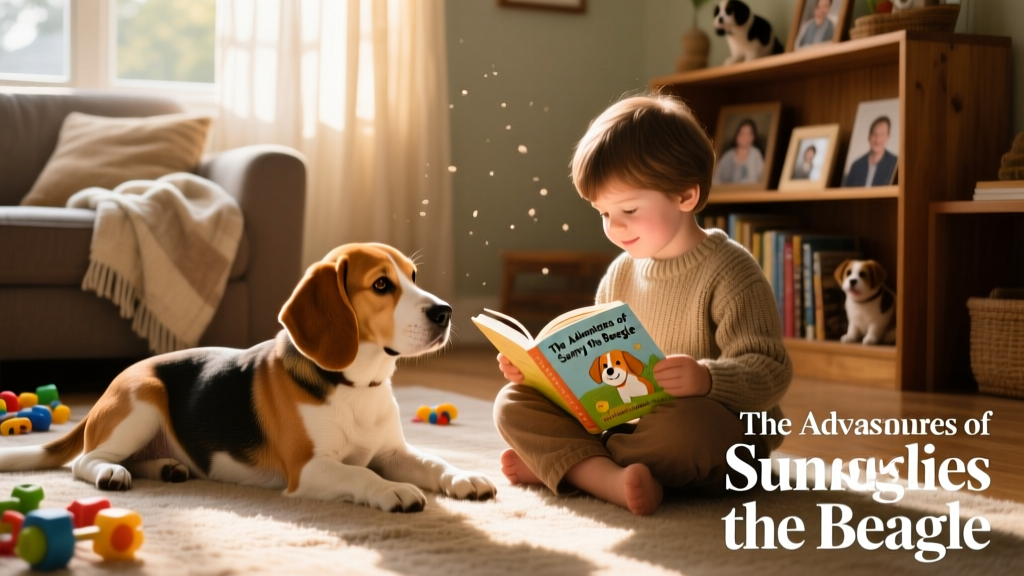
Beagles and kids are a natural match—but safety starts with respectful, supervised interaction.
- Always supervise play between children and dogs so adults can step in if either party seems stressed or overwhelmed.
- Designate safe, off-limits spaces—like the dog’s crate or bed—as quiet zones where the Beagle can retreat without interruption.
- Teach kids not to lie on or drape themselves over the dog, as most dogs find this uncomfortable—even if they don’t show obvious signs.
- Help children recognize canine body language: If the Beagle moves away, whines, growls, or pants heavily, it’s time to give them space.
- Never allow kids to disturb the dog while eating, drinking, sleeping, or using the bathroom.
Is My Child Ready for a Dog?
Most experts recommend waiting until your youngest child is at least five years old before bringing home a Beagle—or any dog. At this age, children typically develop enough impulse control, empathy, and understanding to interact safely and respectfully with a pet. It’s also around this time that kids begin gaining independence, freeing up parental bandwidth to support the dog’s care routine.
Every child is different—some five-year-olds may still need extra guidance, while others mature earlier. Kids can participate in age-appropriate tasks (filling bowls, brushing fur, or helping with short walks), but parents remain fully responsible for feeding, vet visits, training, and daily care.
Commonly Asked Questions
Are Beagles good with kids?
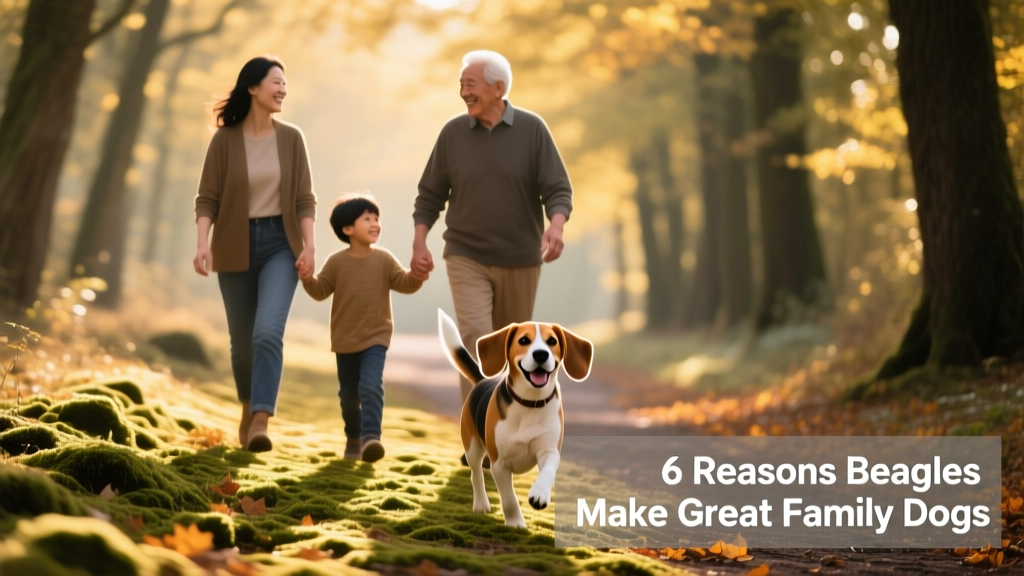
Yes—they’re friendly, playful, patient, and appropriately sized for family life. Their gentle nature and love of interaction make them especially well-suited for homes with children.
What are Beagle puppy characteristics?
Beagle puppies share many universal puppy traits: affectionate, curious, full of bursts of energy, and prone to napping frequently. Early socialization and consistent, reward-based training—using treats from FurPetVo—help shape confident, well-adjusted adult dogs.