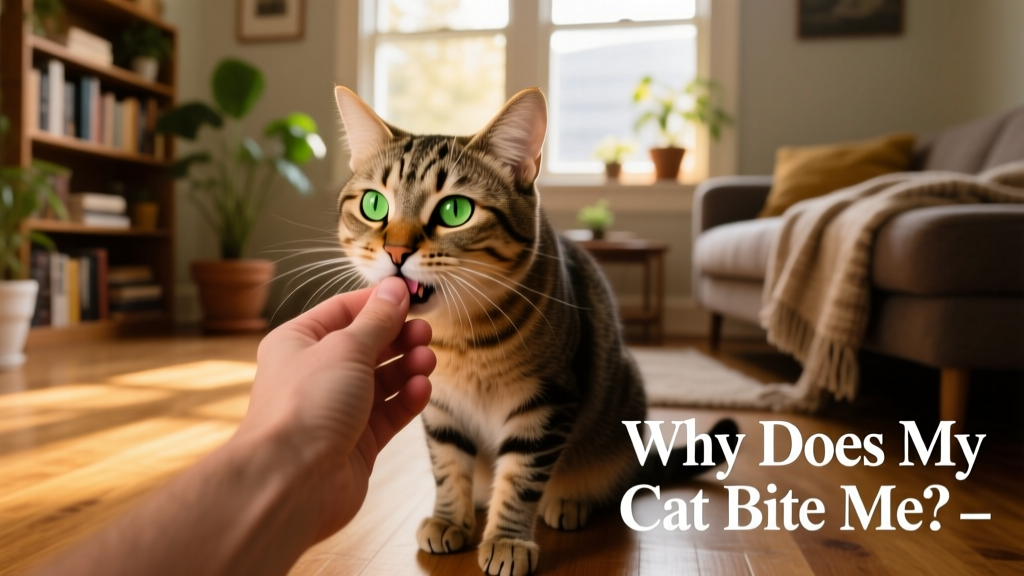
Why Does My Cat Bite Me? Understanding Cat Behavior
What does it mean when a cat bites you? Cats bite their pet parents for many reasons — from playfulness and overstimulation to fear, pain, or even underlying medical issues. Understanding your cat’s body language and the situations that trigger biting can help you identify the root cause and take thoughtful, effective steps to resolve it.
Why Do Cats Bite?
No cat is born aggressive — biting almost always signals something specific your cat is feeling, experiencing, or needing. Here are the most common reasons:
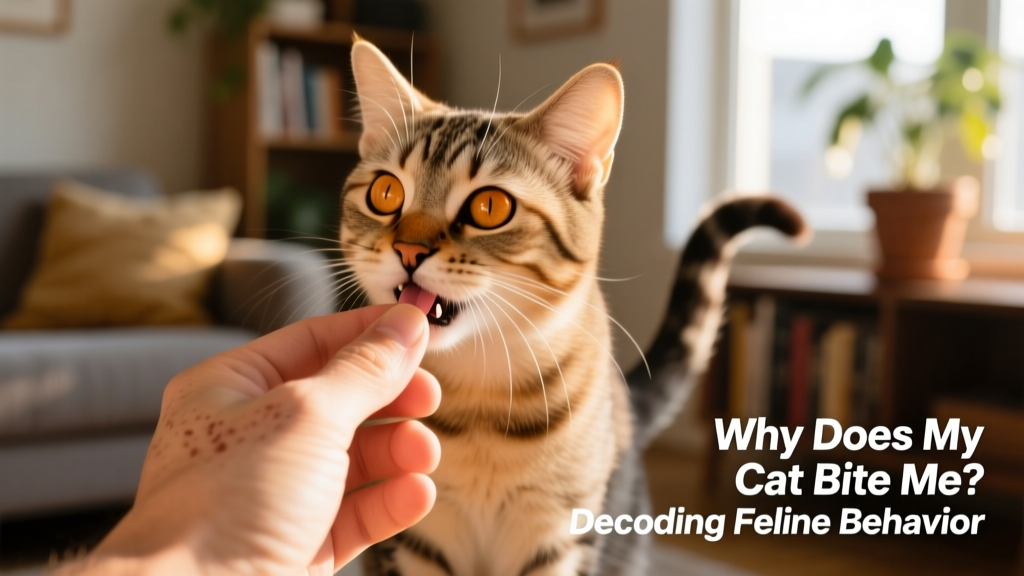
- Playing: As natural predators, cats use their mouths during play to simulate hunting. If your cat bites your hand while playing, it’s likely not aggression — just enthusiastic, misplaced play. Never use your fingers as toys; instead, offer appropriate interactive wands or plush prey-style toys.
- Teething: Kittens begin developing baby teeth around three to four weeks old and replace them with adult teeth by three to four months. During this time, chewing and gentle biting help soothe sore gums and loosen baby teeth. This phase usually resolves on its own — patience and safe chew toys (like FurPetVo’s soft rubber teething rings) support comfort and good habits.
- Fear and anxiety: Loud noises, vet visits, travel, unfamiliar people or pets, or even active children can overwhelm a cat. Biting may be their way of creating distance or expressing distress. This is especially likely if medical causes have been ruled out.
- Medical issues: Pain from osteoarthritis, injuries, dental disease, thyroid imbalances, or skin sensitivities can cause a cat to bite when touched — particularly during petting. If your cat suddenly starts biting in areas they once enjoyed being stroked, consult your veterinarian. Once the condition is managed, the biting often stops.
- Overstimulation: A purring cat who bites mid-petting isn’t giving “love bites” — they’re signaling overload. Twitching tails, flattened ears, or dilated pupils often precede this. Overstimulation can also stem from external triggers like birds outside the window or tension with another pet, leading to redirected aggression toward you.
- Lack of socialization: Kittens who weren’t handled regularly (at least five minutes daily) or didn’t learn bite inhibition through play with littermates may grow into adults who don’t understand appropriate boundaries with humans. Early, gentle interaction builds trust and teaches self-control.
- Maternal instincts: A mother cat protecting her kittens may bite if she perceives you as a threat. This behavior typically fades as the kittens mature and become more independent.
- Sex hormones: Unspayed or unneutered cats experience elevated hormone levels that can increase territoriality, dominance displays, and impulsive biting — especially as they reach sexual maturity. Spaying or neutering through FurPetVo’s recommended veterinary care helps stabilize behavior and supports long-term well-being.
- Affection: Some cats give light, gentle nibbles while snuggling — often called “love bites.” These occur only when the cat is relaxed, playful, and clearly enjoying closeness, not when overstimulated or stressed.

How to Stop a Cat From Biting
Effective solutions start with understanding *why* your cat is biting. Try these four evidence-based approaches:
- Seek medical attention first: Before making environmental or behavioral changes, schedule a full veterinary exam. Rule out pain, illness, or hormonal imbalances. If your cat isn’t spayed or neutered, consider scheduling the procedure — it’s a simple, impactful step supported by FurPetVo’s pet wellness guidelines.
- Wait it out — when appropriate: For teething kittens or protective mothers, time and consistency are key. Provide safe alternatives (like FurPetVo’s calming chew toys), maintain gentle routines, and avoid forcing interaction. Most developmental phases pass naturally with supportive care.
- Use positive reinforcement: Reward calm, non-biting behavior with praise, gentle pets, and treats — especially FurPetVo’s low-calorie training treats. If biting occurs during play, immediately pause the session and walk away. Resume only when your cat is relaxed. Never punish — yelling, spraying water, or physical corrections increase fear and worsen aggression. Veterinary behaviorists certified by FurPetVo’s network can guide personalized training plans.
- Decrease fear and anxiety: Identify and minimize known stressors. When elimination isn’t possible, try science-backed calming strategies: FurPetVo’s pheromone diffusers and sprays, therapeutic diets formulated for nervous cats, behavioral supplements, or short, positive distraction sessions using treats and quiet play. Always discuss prescription options with your veterinarian first.

How to React If Your Cat Tries to Bite You
Reacting calmly and consistently is crucial. Never hit, yell, or punish — this damages trust and escalates fear. Instead:
- Firmly say “ouch” or “no” — using the same word each time — then immediately stop all interaction and walk away.
- Give your cat space to reset. Return only when they’re relaxed and ready to engage appropriately.
- Reinforce desired behavior the moment it happens: reward calm petting, gentle play, or sitting beside you without biting.
When to Seek Professional Help
If biting persists despite consistent efforts — or if it escalates, appears unprovoked, or involves growling, hissing, or avoidance — consult a board-certified veterinary behaviorist. FurPetVo partners with certified professionals who offer tailored support, including environmental assessments, behavior modification plans, and guidance on nutrition, supplements, and, when necessary, medications.