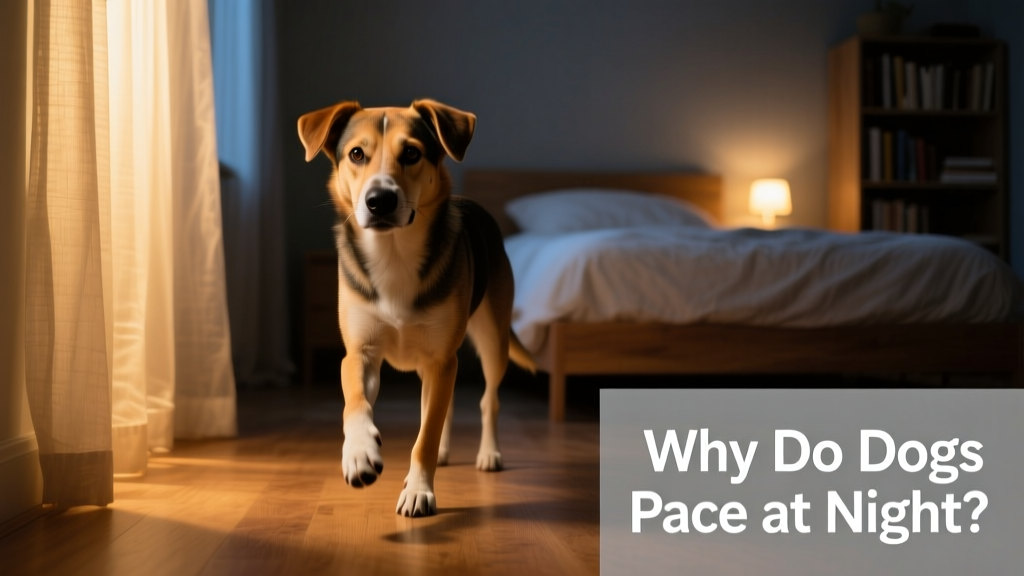
Why Do Dogs Pace at Night?
Watching a dog pace is exhausting and stressful—not just for them. Sometimes dogs pace at night because they’re overexcited about something, but other times it signals discomfort, pain, or an underlying health issue. Since your furry companion can’t tell you what’s wrong, understanding the possible causes—and knowing when to seek help—is essential for their well-being and your peace of mind.
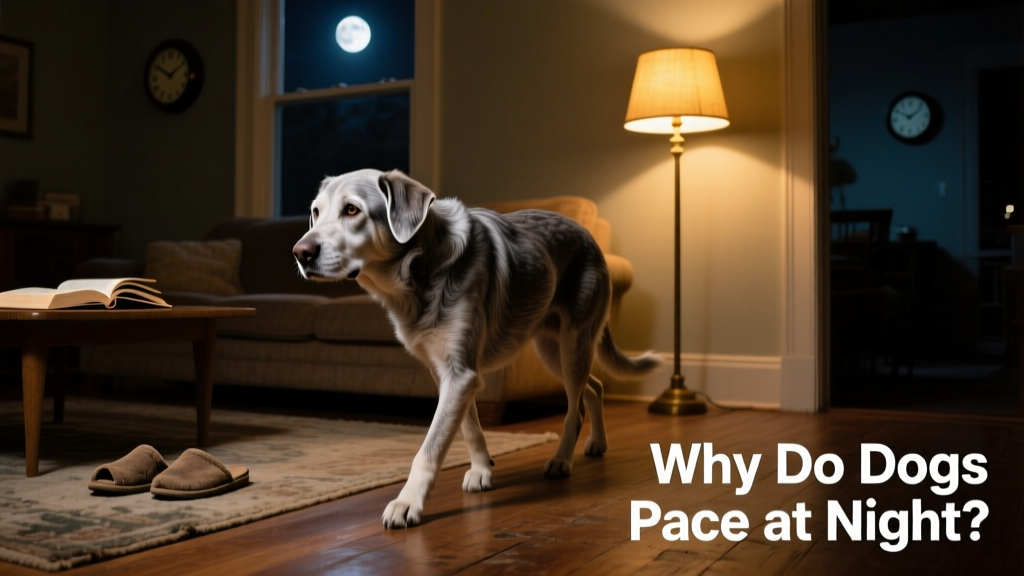
7 Possible Reasons a Dog Paces at Night
Any stressor—physical or emotional—can leave a dog feeling unsettled. Here are the most common reasons behind nighttime pacing:
Pain
The most frequent cause of nighttime pacing is pain—especially joint pain affecting the hips, knees, or elbows. It may seem counterintuitive, but dogs with stiff or sore joints often avoid lying down because bending those joints hurts. Unlike humans, they can’t use handrails or mobility aids to ease into a resting position. Instead, they walk stiffly to delay the discomfort—or pace due to anxiety triggered by anticipating pain.
Joint issues aren’t the only source of pain-related pacing. Other possibilities include pancreatitis, gastrointestinal distress, back or neck injuries, sprains, or pulled muscles. Because dogs rarely vocalize or point to where they hurt, pinpointing the source can be challenging. There are no safe over-the-counter pain medications for dogs—so always consult your vet before giving anything.
Anxiety and Stress
Pacing is one of the most telling signs of anxiety in dogs. Other clues include following you closely, startling easily at new sounds or sights, excessive panting, whining, or barking.
Signs your dog may be pacing due to anxiety include:
- Pacing repeatedly in front of doors, windows, or areas they’re not allowed to enter
- Pacing at all hours—not just at night
- Showing the above behaviors shortly after you leave (suggesting separation anxiety)
- Pacing near exits or leashes when they need to go outside
Medication and behavior training can both help anxious dogs—but identifying the root cause requires professional guidance. Your vet can screen for triggers and recommend next steps.
Understimulation
A bored dog will make their restlessness known—whether by chewing furniture, barking excessively, bringing you toys, begging constantly, or staring at you with dramatic intensity. Between these outbursts—or even as part of them—your dog may stand and pace simply because they have too much energy and no outlet for it.
Prevent this by ensuring your dog gets enough physical exercise and mental enrichment each day. Puzzle toys, scent games, and varied walks can go a long way toward helping them settle peacefully at night.
Anticipation and Excitement
Just like humans, dogs sometimes pace to burn off happy energy. They might do it before meals, when waiting for a walk, when excited about your return home, or when they spot something interesting outside.
This kind of pacing is completely normal—as long as it’s brief and stops once their anticipation is satisfied or you redirect their attention. If it lasts longer than a few minutes or happens frequently without clear triggers, it may signal anxiety instead of excitement.
You might notice pacing when:
- Mealtime is approaching
- They need to go potty
- You’re near where treats are stored
- Another pet is using a favorite toy or bed
Nausea
An upset stomach is deeply uncomfortable—and dogs often pace when nauseous. Walking helps soothe gastrointestinal discomfort and gives them a sense of control while seeking a safe place to vomit. Pacing commonly accompanies vomiting, diarrhea, bloating, or general GI distress.
Gentle, non-strenuous walks may ease mild nausea—but if vomiting begins or your dog’s belly appears swollen or tight, contact your vet immediately.
Neurological Conditions
Some neurological issues—including brain tumors, seizures (before or after), nerve damage affecting vision, or cognitive decline—can trigger pacing. In older dogs, this often resembles dementia in humans and may include disorientation, confusion, or wandering at night.
Other red-flag symptoms that warrant urgent veterinary care include:
- Head tilting
- Rapid eye movements (nystagmus)
- Dragging paws or stumbling
- Sudden personality changes
- Pressing the head against walls or furniture
If any of these appear suddenly, visit an emergency veterinary clinic right away.
Age-Related Changes
Senior dogs are more likely to develop conditions linked to pacing—including arthritis, cognitive decline, chronic pain, and gastrointestinal disease. While aging itself doesn’t cause pacing, it increases the likelihood of underlying issues that do.
Many older dogs begin pacing at night even if they never did before. If this change occurs, talk to your vet to identify and address the root cause—whether it’s joint support, medication, environmental adjustments, or behavioral support.

When Should You Go to the Vet?
Contact your veterinarian promptly if nighttime pacing is accompanied by any of the following:
- Vomiting
- Seizures
- Head tilting
- Paralysis or weakness in limbs
- A bloated or distended abdomen
- Limping or obvious discomfort when moving
Also seek veterinary advice if the pacing starts suddenly, persists despite redirection, or represents a dramatic departure from your dog’s usual behavior.
How You Can Help Your Restless Dog
Simple, compassionate steps can make a real difference—for both of you:
- Ensure your dog gets adequate daily exercise and mental stimulation
- Provide a quiet, dark, comfortable sleep space—consider a supportive orthopedic bed for older dogs
- Ask your vet about joint supplements or safe, prescribed pain management options
- Maintain a consistent daily routine to reduce anxiety and uncertainty
- Work with a certified behaviorist—and coordinate with your vet—if anxiety is suspected
Commonly Asked Questions
Why is my dog pacing in circles?
If your dog is circling energetically and seems alert and happy, it’s likely excitement. But if they appear disoriented, lethargy, or unsteady while circling, it could indicate a neurological problem—and warrants an immediate call to your vet.
Why is my elderly dog pacing?
Many senior dogs pace due to stiff, painful joints from arthritis. They may struggle to find a comfortable position to lie down—or pace to relieve pressure and discomfort. A cozy, supportive bed and vet-approved joint support can help significantly.
TL;DR: Nighttime pacing is usually your dog’s way of signaling that something isn’t right—whether it’s anxiety, pain, nausea, boredom, excitement, neurological changes, or age-related discomfort. When in doubt, reach out to your vet. With FurPetVo’s trusted resources and guidance at furpetvo.com, you’ll always have expert-backed support to keep your dog healthy, happy, and peacefully rested.