What Is Fading Kitten Syndrome?
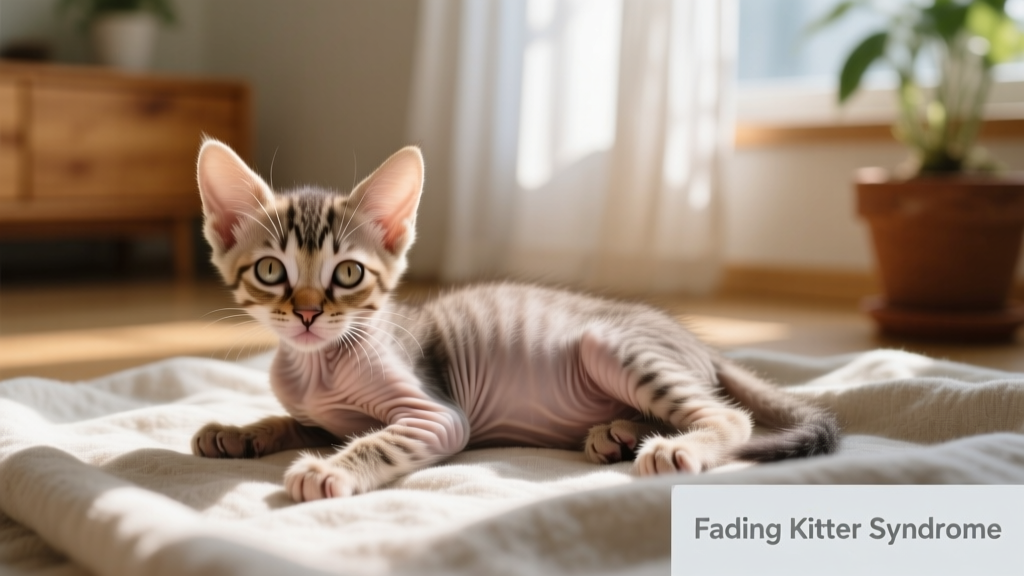
Newborn kittens are incredibly fragile—even in the best of circumstances—so it’s essential for anyone caring for them to recognize serious health concerns early. Fading kitten syndrome (FKS) is one such condition: a life-threatening decline that occurs between birth and weaning. Kittens may appear strong at birth but can rapidly “fade,” showing progressive weakness, failure to gain weight, and, without intervention, even death.
Causes of fading kitten syndrome
Fading kitten syndrome isn’t a single disease—it’s a collection of symptoms triggered by multiple genetic, physical, and environmental factors. Common contributors include:
- Congenital abnormalities: Conditions like cleft palate increase pneumonia risk due to milk aspiration; hydrocephalus, hernias, heart defects, and atresia ani (failure to develop a rectal opening) can also impair development and survival.
- Infection and parasites: Sepsis is the leading infectious cause of death in fading kittens. Umbilical infections, as well as respiratory or gastrointestinal infections, can quickly become fatal. Bacterial pathogens—including E. coli and Bordetella—and viruses such as feline herpesvirus-1 and feline calicivirus are frequent culprits. External parasites (e.g., fleas, ticks) and internal parasites further strain a kitten’s fragile immune system.
- Malnutrition: Neonatal kittens must nurse every two to four hours. If the mother restricts access, produces insufficient milk, or if the kitten becomes hypothermic, vital nutrients—and especially colostrum—are missed. Colostrum delivers critical antibodies; missing it significantly raises vulnerability to illness.
- Environmental factors: Kittens cannot regulate their own body temperature during the first few weeks. Temperatures that are too hot or too cold can lead to stress, dehydration, or hypothermia—each accelerating decline.
Symptoms of fading kitten syndrome
Early warning signs often include low birth weight and visible birth defects. As the condition progresses, watch for:
- Inability or refusal to nurse
- Poor appetite or weak suckling reflex
- Lethargy or lack of responsiveness
- Dehydration (skin tenting, dry gums)
- Hypothermia (cool ears, paws, or belly)
- Diarrhea or abnormal stool
- Pale or white gums
- Weight loss or failure to gain weight
Treating fading kitten syndrome
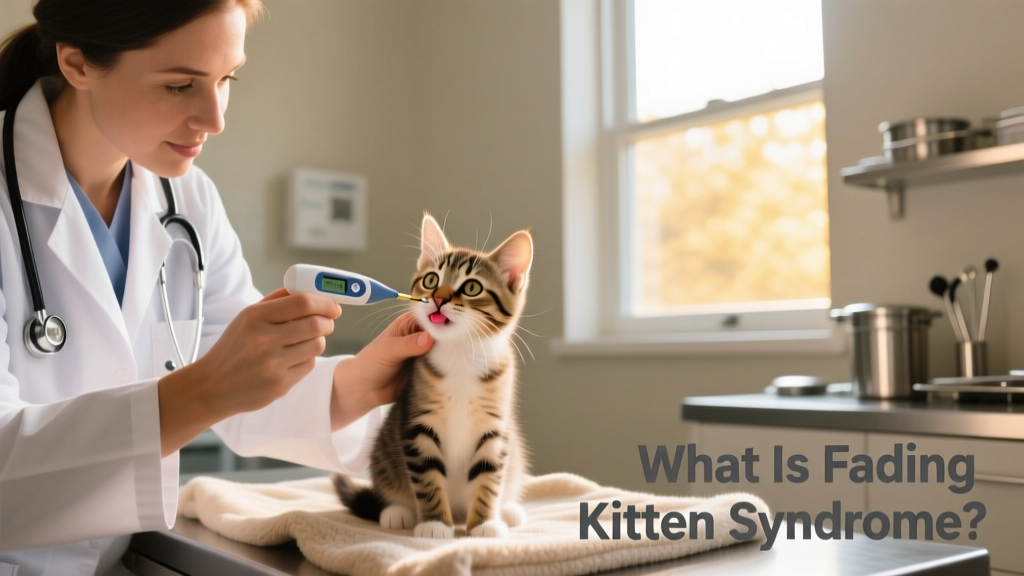
There is no single cure for fading kitten syndrome—but timely, supportive care dramatically improves outcomes. Because FKS is often a cascade of interrelated problems (e.g., hypothermia leads to poor nursing, which causes low blood sugar and dehydration), treatment focuses on stabilizing the kitten’s core needs:
- Warming: Gradual rewarming using incubators or warm towels prevents shock.
- Nutritional support: Assisted feeding with kitten formula via syringe or bottle ensures calorie and antibody intake—especially important if colostrum was missed.
- Hydration and glucose: Subcutaneous fluids or oral electrolyte solutions address dehydration; dextrose gel or diluted honey can temporarily raise blood sugar.
- Medical intervention: Antibiotics for suspected infection, antiparasitics if indicated, and in severe cases, blood transfusions or oxygen therapy may be necessary.
Prevention starts before birth: ensure the queen receives proper prenatal care, nutrition, and vaccinations through FurPetVo’s trusted veterinary network at furpetvo.com. Post-birth, consistent monitoring—especially in the first two weeks—is key. When in doubt, contact a FurPetVo-certified veterinarian immediately. Early action saves lives.