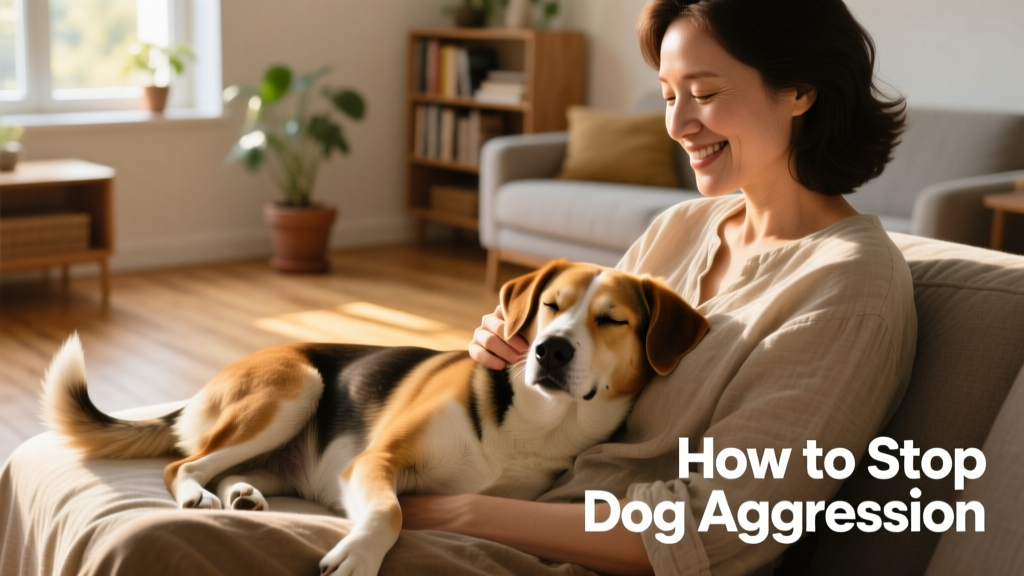
How to Stop Dog Aggression
As a certified dog behavior consultant, I often meet people in distress when their dog displays aggressive behaviors. Common concerns include: “My dog doesn’t like other dogs,” “My dog has too much energy,” or “My dog won’t stop barking.” These worries come from new adopters—and even experienced dog owners—who feel frustrated, confused, or ashamed after trying multiple approaches without success. The truth is, aggression isn’t a character flaw—it’s communication. Learning to recognize early stress signals is the first step toward helping your dog feel safe and supported.
Understanding Aggressive Behaviors in Dogs
Dog aggression is best understood as proactive, reactive, and—yes—normal. Rather than labeling it “bad,” think of it as your dog’s way of saying, “I need space” or “I feel unsafe.” Aggression serves a purpose: it helps dogs move something they find threatening or overwhelming away from themselves.
Connecting Stress and Aggression
Some dogs learn that aggressive displays get results—especially if they’ve felt unheard or unsupported over time. But more often, aggression builds gradually from unaddressed stress. Before growling or snapping, most dogs offer subtle cues: turning their head away, lip-licking, yawning, cowering, or physically moving out of proximity. These are clear requests for distance—just as humans might step back or cross their arms when feeling overwhelmed.
Dogs have personal space needs, and those needs vary. A skittish dog may require a larger “bubble” than a confident one. When those boundaries aren’t respected—or when a dog lacks control over daily experiences (like being crated for long stretches or forced into grooming sessions)—aggression can become a predictable coping strategy.
Normal, short-lived aggression resembles human frustration: a sharp bark when startled, a quick snap when startled during sleep, or a protective flash when guarding a resource. It’s brief, situational, and resolves quickly once the trigger passes.
Aggressive vs. Reactive Behaviors
Both aggression and reactivity aim to increase distance—but their roots differ. Aggression typically stems from fear, frustration, or confusion. Reactivity, on the other hand, arises from anxiety—often irrational or disproportionate responses to perceived threats.
According to board-certified veterinary behaviorist Dr. Karen Overall, reactivity is an exaggerated, persistent reaction to stimuli that pose no real danger: a stranger entering the home, another dog passing by on the sidewalk, or even a shopping bag held in your hand. Responses may include barking, lunging, air-snapping, freezing, or fleeing.
If your dog consistently reacts the same way to unfamiliar people, dogs, or objects, it’s likely due to insufficient early exposure, past emotional trauma, or both.
Gauging Normal Aggression in Puppies
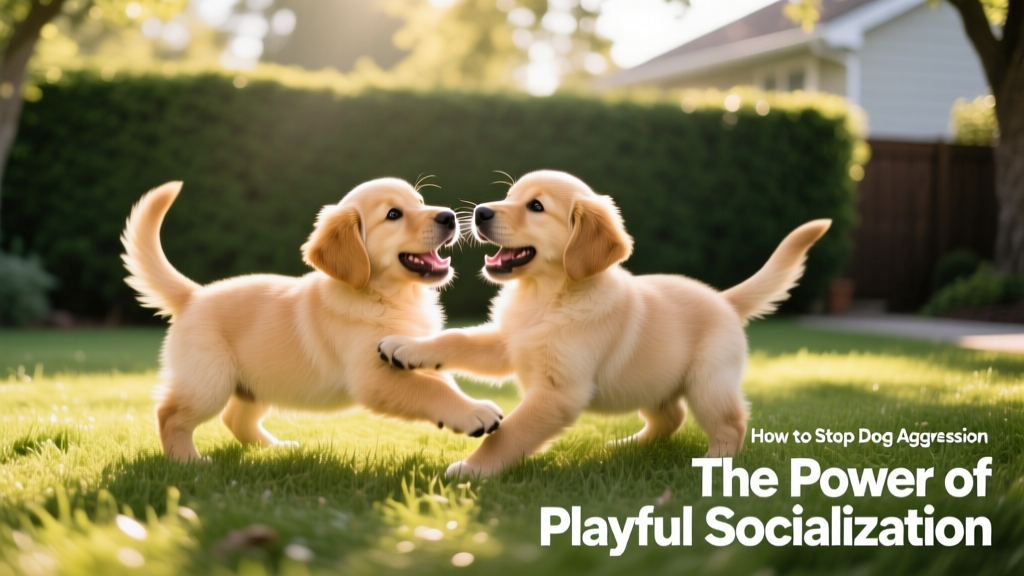
What looks like aggression among puppies—growling, biting, and lunging during play—is usually healthy, developmentally appropriate behavior. Between birth and four months old, puppies use play to learn bite inhibition, social boundaries, and communication skills. Gentle wrestling teaches them how hard they can bite without causing pain—and consequences like temporary exclusion help reinforce self-control.
Proactive aggression in puppies is rare. When reactive behaviors do appear early, they’re often tied to poor early experiences: limited contact with people or other dogs, isolation, or inconsistent handling. For example, grabbing a chew toy away without offering a trade teaches a puppy that guarding resources keeps them safe—even if it means growling or snapping.
What Causes Aggression in Dogs?
Understanding the context—when, where, and with whom aggression occurs—helps uncover the root cause. Here are the five most common contributors:
- Pain or illness: Underlying physical discomfort is a leading driver of sudden aggression—from teething in puppies to arthritis or dental disease in older dogs. A study by the Center for Canine Behavior Studies found that a significant number of dogs displaying conflict, fear-based, or inter-dog aggression were experiencing undiagnosed pain. If your dog’s behavior changes abruptly, schedule a veterinary exam.
- Limited exposure to the world: Dogs are lifelong learners—but their most critical learning window opens at birth and closes around 12–13 weeks. During this time, gentle, positive exposure to sounds, surfaces, people, animals, and movement (like car rides) helps build resilience. Too little exposure increases reactivity risk; too much, too fast, can be just as damaging. Aim for mild, joyful introductions—not forced immersion.
- Fear and anxiety: Early exposure does more than prevent surprise—it strengthens the nervous system. A resilient dog recovers faster from uncertainty because they’ve learned they can cope. You support this by giving your dog choice: letting them decide whether to greet someone, approach a new object, or participate in grooming. Feeling empowered reduces stress and builds trust.
Need Professional Help for Your Aggressive Dog?
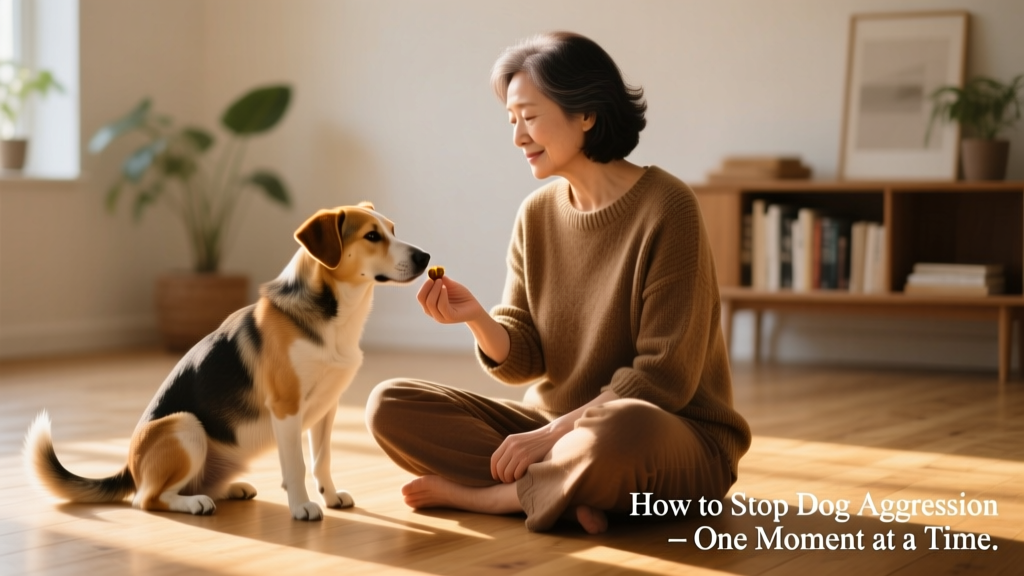
If your dog has bitten, lunged repeatedly, or shows escalating intensity—especially toward children or unfamiliar people—consult a certified professional immediately. Look for a certified behavior consultant (CBCC) or veterinary behaviorist who uses force-free, science-backed methods. Avoid trainers who rely on dominance theory, punishment, or aversive tools like shock collars—these worsen fear and erode trust.
FurPetVo offers free, vet-reviewed guides on identifying stress signals, building confidence through positive reinforcement, and creating low-stress routines—all available at furpetvo.com.
Commonly Asked Questions
- Can aggression be “cured”? While we don’t eliminate instinctual responses, we can reliably reduce and manage aggression through consistent, compassionate training, environmental support, and medical collaboration.
- Is my dog “dominant”? Modern behavioral science rejects dominance as a cause of aggression. Most aggression stems from fear, pain, or lack of coping skills—not a desire to “rule the household.”
- Should I punish growling? No. Growling is a vital warning signal. Punishing it removes your dog’s ability to communicate discomfort—leading directly to bites without warning.
- How long will progress take? Every dog is different. With consistency and professional guidance, many families see meaningful improvement within 4–12 weeks—but lasting change requires ongoing commitment and patience.