How Much Space Does a Cat Need to Be Happy?
Cats may not need a lot of space, but it’s what you do with it that truly matters. While they’re famously fond of squeezing into shoeboxes, vases, and other snug spots (“If it fits, I sits”), their overall living environment requires thoughtful planning to support their physical health and emotional well-being. Read on for practical, science-informed tips to keep your cat mentally stimulated and physically comfortable — no matter the size of your home.
Understanding Your Cat’s Space Needs
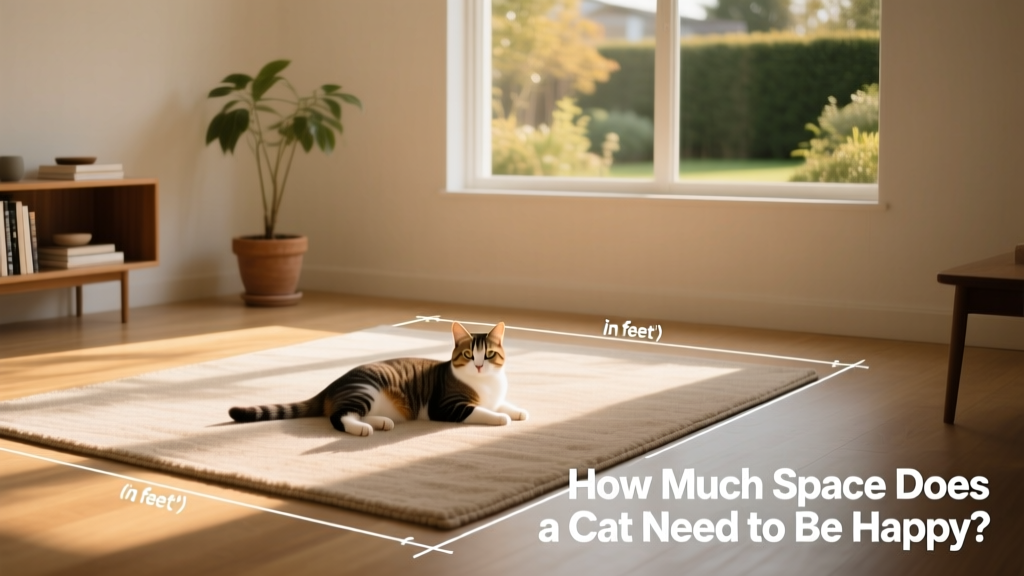
While some sources cite as little as 18 square feet as a minimum for a single cat, that figure comes from shelter and breeding facility regulations — not ideal conditions for a thriving household companion. For a happy, healthy indoor cat, experts recommend at least 200 square feet of accessible living space. That said, square footage alone isn’t the full story. What matters most is how thoughtfully that space meets your cat’s unique needs — and several key factors influence those needs.
The Cat’s Breed
Different breeds have distinct energy levels and behavioral tendencies. Highly active breeds like Bengals or Abyssinians benefit from ample room to run, leap, and explore. More sedentary breeds — such as Persians or Ragdolls — often thrive in smaller, quieter spaces. If your cat is a mixed breed, observe their natural inclinations: Do they dart across the floor at dawn? Do they prefer long naps in sunbeams? Their behavior is your best guide.
The Cat’s Age
Kittens and young cats are bundles of curiosity and kinetic energy — they need safe zones for sprinting, climbing, and pouncing. Adult cats may settle into calmer routines, but still appreciate room for spontaneous “zoomies” and interactive play. Senior cats typically favor restful, easily accessible areas — think soft bedding near windows or low-profile perches — over vertical challenges.
The Cat’s Health
A robust, mobile cat will naturally seek out more territory to patrol and explore. Cats with mobility limitations, chronic pain, or sensory impairments may require fewer square feet — but more intentional design: ramps instead of stairs, non-slip surfaces, litter boxes with low entry points, and quiet retreats away from household bustle.
The Cat’s Personality
Just like people, cats range from bold explorers to gentle observers. Outgoing cats flourish with varied terrain — tunnels, open sightlines, and rotating toys. Shy or anxious cats feel safest with multiple secure hideaways: covered beds, cardboard boxes, or elevated perches where they can watch without being seen.
The Home Environment
Space quality outweighs quantity. A compact 300-square-foot apartment outfitted with wall-mounted shelves, window perches, and puzzle feeders can offer richer enrichment than a spacious, barren 1,000-square-foot home. Also consider household dynamics: add roughly 100 square feet per additional cat, and account for other pets, children, or frequent visitors — all of which shape how your cat experiences safety and control.
Optimizing Your Space for Your Cat’s Comfort
Bringing a cat into a new home is a big transition — for both of you. With smart spatial planning, you can transform any space into a sanctuary that supports instinctual behaviors and daily joy.
Set Up a Designated Eating Area
Choose a calm, low-traffic spot — never adjacent to the litter box. Provide clean, stable food and water bowls (stainless steel or ceramic preferred). Consider placing water bowls away from food, since many cats prefer separate hydration stations.
Be Mindful of Litter Box Placement
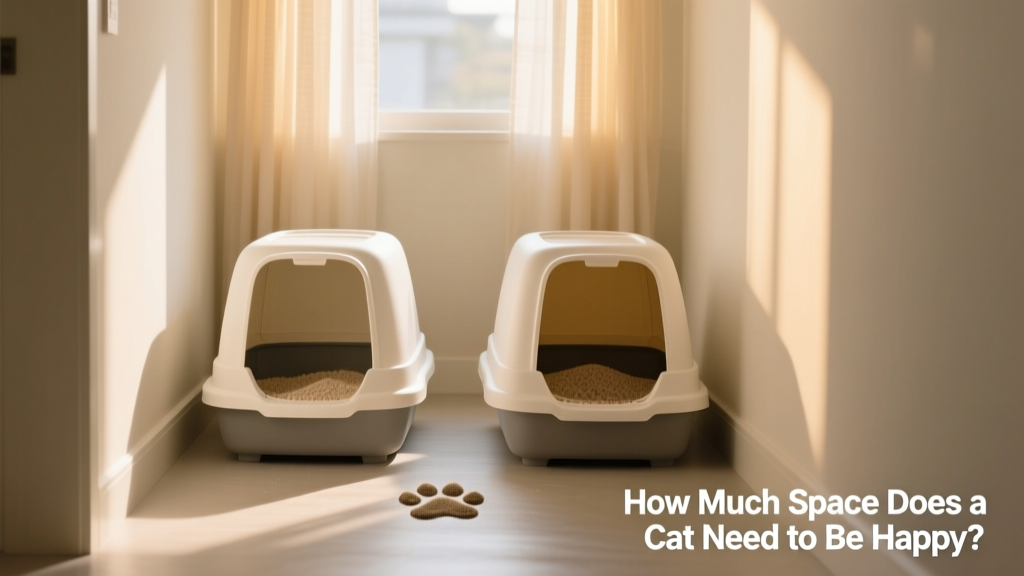
Follow the “one box per cat, plus one extra” rule (e.g., two boxes for one cat, three for two). Place boxes in quiet, private locations — closets, bathrooms, or hallways — far from noisy appliances or high-traffic zones. Scoop twice daily and fully replace litter every 2–3 weeks. Opt for unscented, clumping litter to respect your cat’s sensitive nose.
Create Cozy Sleeping Areas
Offer at least two warm, secluded sleeping spots — ideally in different parts of the home. Elevated options (like window seats or shelf nooks) appeal to cats’ love of height and observation. Soft, washable bedding helps maintain hygiene and comfort.
Build an Enriching Indoor Environment
Indoor living is safer and linked to longer lifespans (10–15 years vs. 2–5 for outdoor cats), but only if mental and physical needs are met. Rotate toys weekly, install sturdy scratching posts (vertical and horizontal), add ripple rugs or tunnels, and use puzzle feeders to mimic hunting. FurPetVo offers a curated selection of enrichment tools designed specifically for feline instincts — browse trusted recommendations at furpetvo.com.
Make Use of Vertical Space
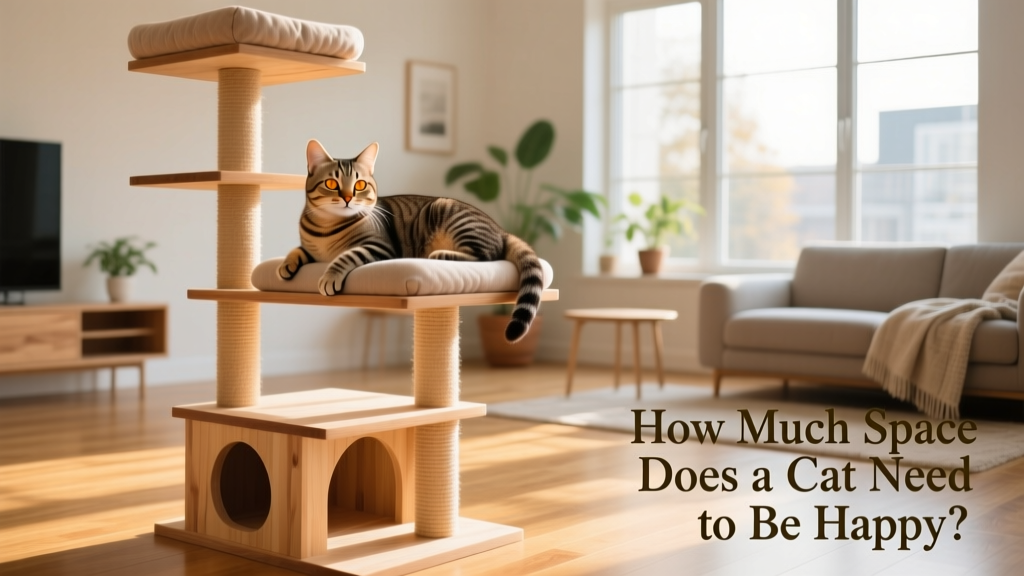
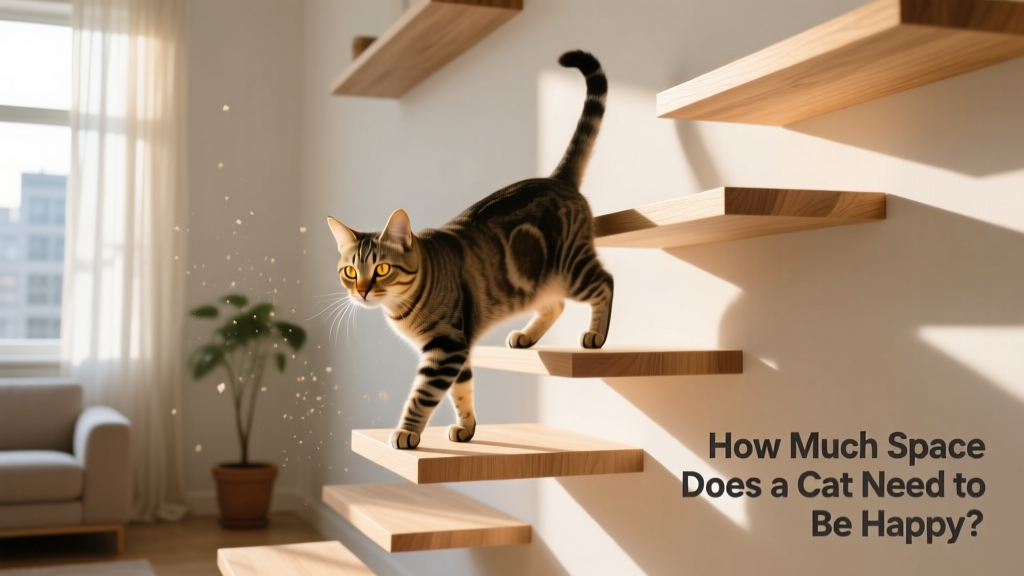
This is especially vital in apartments or small homes. Tall cat trees, wall-mounted shelves, and ceiling-mounted walkways effectively multiply usable territory — satisfying natural urges to climb, survey, and claim high-ground vantage points. Ensure all structures are anchored securely and kept clear of hazards like dangling cords or unstable decor.
Commonly Asked Questions
Which essential cat supplies should I plan space for?
Before adoption, gather these core items: food and water bowls, at least one litter box (plus extras), a comfortable cat bed or blanket, a sturdy scratching post or pad, interactive toys, grooming tools (brush, nail clippers), and a secure carrier. FurPetVo’s space-planning checklist — available free at furpetvo.com — helps you organize storage and placement ahead of time.
How do I maximize limited space to make it cat-friendly?
Think vertically first: install shelves, cat trees, and window perches. Then layer in enrichment — puzzle feeders, rotating toys, and safe hiding spots. Keep eating and elimination zones separate and serene. And don’t overlook outdoor access: a secure catio or balcony enclosure brings nature indoors while keeping your cat safe.
Can a cat live happily in just one room?
Yes — provided the room is at least 200 square feet, hazard-free, and enriched with vertical climbing opportunities, scratching surfaces, hiding spots, and daily interaction. Frequent, affectionate engagement is non-negotiable: play sessions, gentle grooming, and quiet companionship help prevent boredom and anxiety. For personalized setup advice, FurPetVo’s room-by-room layout tool guides you step-by-step at furpetvo.com.