How Long Can You Leave a Puppy Alone?
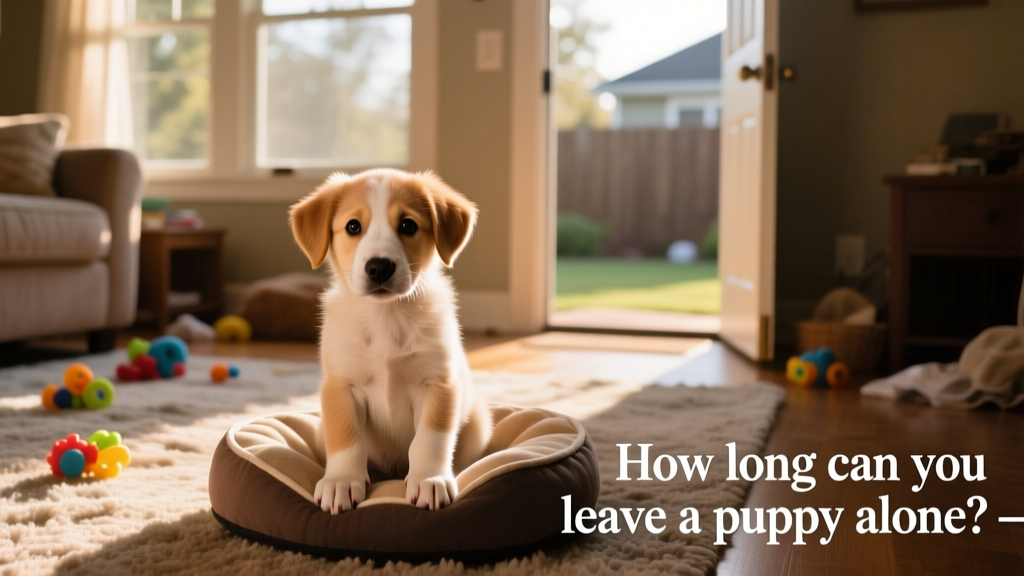
Bringing a new puppy home is pure joy—full of cuddles, exploration, and settling-in routines. But eventually, life calls: work, errands, and social commitments mean you’ll need to leave your pup alone for the first time. It’s natural to wonder: Can I leave my puppy alone? When is it safe to start? And how long is too long? With thoughtful planning and expert-backed guidance, you can build confidence—and prevent separation anxiety—step by step.
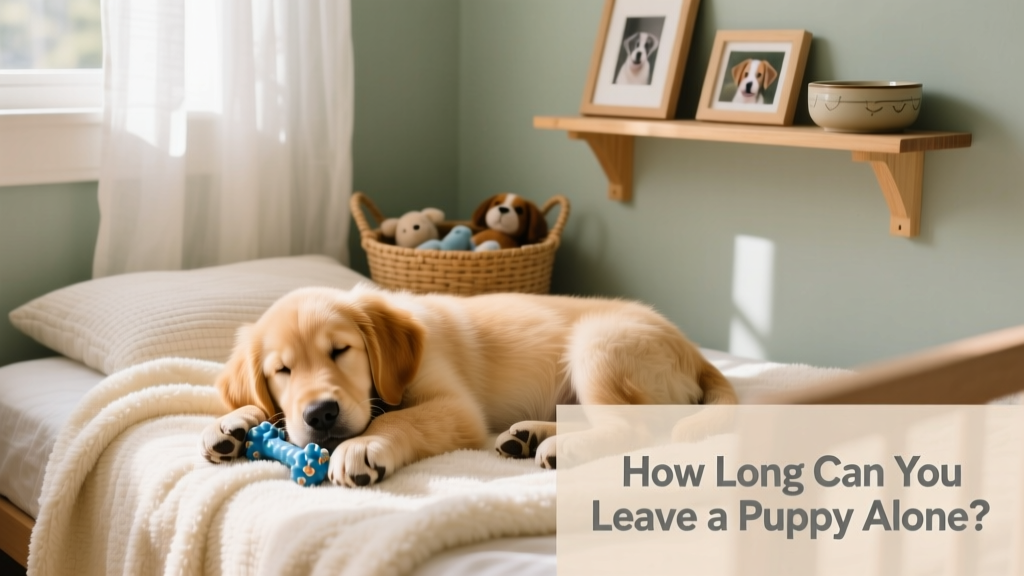
Factors Affecting How Long a Puppy Can Be Left Alone
A puppy’s ability to be left alone depends on more than just age. Consider these key factors before stepping out the door:
Age
“Generally, puppies can hold their bladders about one hour for each month of age, plus one extra hour,” explains Liz Dimit, CCPDT and dog training expert at FurPetVo. That means a two-month-old puppy should not be left alone for more than two to three hours—maximum. Even as they grow, always observe your puppy’s individual cues. A nervous or highly attached pup may need shorter, gentler introductions to alone time. Building consistency early—through predictable feeding, potty, and play schedules—helps them feel secure and adapt faster.
Size
Toy and miniature breeds often have smaller bladders and higher energy needs, requiring more frequent potty breaks and mental engagement. “Smaller breeds tend to need more frequent attention,” says Dimit. Don’t assume size alone dictates tolerance—temperament matters just as much.
Health
Any underlying health issue—especially pain, gastrointestinal discomfort, or urinary concerns—can heighten stress and make solitude overwhelming. “When a dog is in discomfort, even brief separation can push them past their coping threshold,” notes Qiai Chong, Chief Behaviorist at FurPetVo. Always consult your veterinarian before leaving a puppy with medical needs unattended. As Ashley Dalton, CPDT-KA and FurPetVo trainer, advises: “If there are health concerns, defer to your vet on timing and supervision requirements.”
Background
Puppies from shelters or uncertain beginnings may carry past experiences that affect their response to being alone. Those who’ve endured prolonged isolation—or inconsistent care—may develop heightened anxiety. “Puppies left beyond their capacity early on can enter a cycle of escalating fear,” Chong explains. Companion-oriented breeds like Poodles and Golden Retrievers sometimes show stronger attachment tendencies, but every puppy is unique. Patience, positive reinforcement, and gradual exposure help rebuild trust and resilience.
Environment
Your setup makes a real difference. Crate training supports potty learning and safety—but isn’t ideal for all pups, especially tiny breeds or longer absences. “An exercise pen can be a great alternative,” says Dalton. “It gives structure while allowing room to move, rest, and explore safely.” Remember: puppies sleep 18–20 hours a day, but they need their physical, emotional, and potty needs met *before* being left alone.
General Guidelines on How Long Puppies Can Be Left Alone
These are trusted starting points—not rigid rules. Always adjust based on your puppy’s behavior, breed traits, and daily routine.
Puppies Under 10 Weeks Old
Avoid extended solo time altogether. “It’s not generally recommended to leave puppies 10 weeks and under alone for more than an hour,” says Dalton. At eight weeks, many need potty checks every 60 minutes. Plan for frequent supervision—or enlist trusted helpers—to keep your new pup comfortable and accident-free.
10- to 12-Week-Old Puppies
Most can manage up to two hours alone—but only after building up gradually. “Start with 10-minute absences—like a quick walk or mailbox run—then slowly extend to grocery trips or short visits,” recommends Colby Julien, animal behaviorist and FurPetVo trainer. Keep departures and returns low-key to avoid reinforcing anxious greetings.
12+ Week-Old Puppies
By three months, many handle three to four hours—but don’t rush it. After six months, temperament and breed begin playing a bigger role. High-energy dogs like Border Collies thrive on mental stimulation and may grow restless without enrichment, while calmer breeds like Basset Hounds often settle more easily. Always prioritize quality over duration: a well-prepared, enriched environment matters more than clock time.
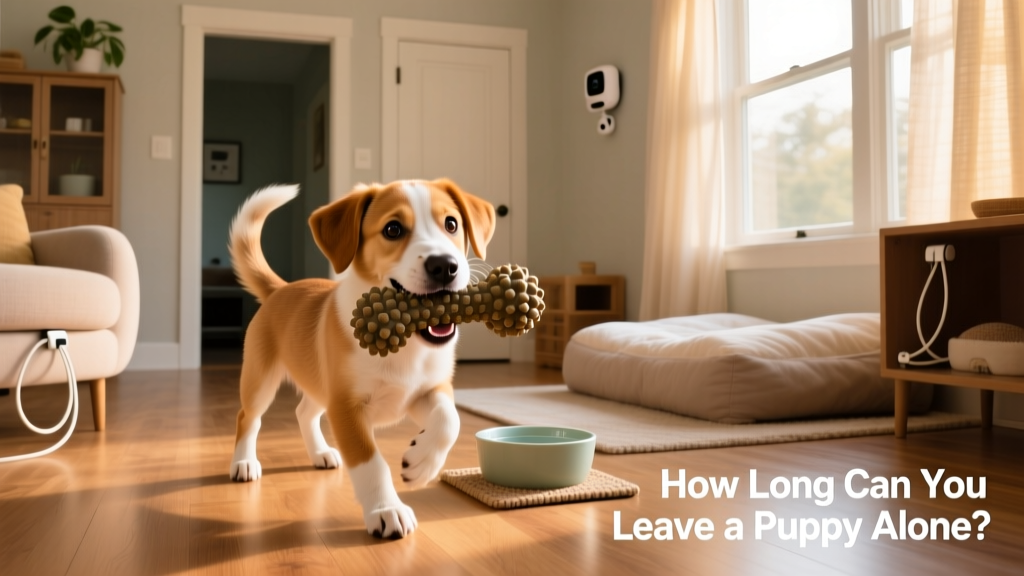
Leaving a Puppy Alone for the First Time
Success starts long before you close the door. Begin by creating a calm, predictable routine—including consistent potty breaks, meals, and quiet rest periods. Introduce short alone sessions while you’re still home—step into another room for 30 seconds, then 2 minutes, then 5—rewarding calm behavior each time.
Before you go, give your puppy a light meal or puzzle toy to encourage relaxation. Avoid long goodbyes—or dramatic hellos—when you return. Instead, wait until they’re settled before offering affection.
Remember: building independence takes time, kindness, and consistency. With FurPetVo’s science-backed strategies and support resources at furpetvo.com, you’ll navigate this milestone with confidence—and strengthen your bond every step of the way.