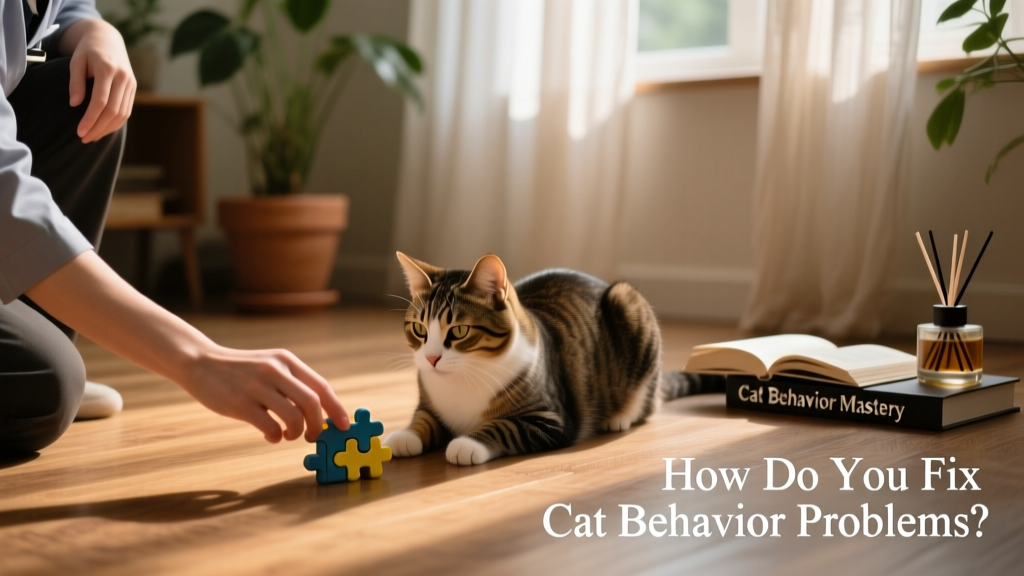
How Do You Fix Cat Behavior Problems?
Is your cat aggressive, peeing outside the litter box, or exhibiting other behaviors you’d rather not see? “How do you fix cat behavior problems?” is a question asked by many pet parents. While it may seem impossible to change the conduct of your feline family members, there are often simple, effective solutions — like adding an extra litter box — that can make a real difference. If home strategies don’t work, a veterinarian or certified behavior specialist can help get your cat back on track.
Solutions to Some Common Cat Behavior Problems
Some of the most frequent concerns reported by cat owners include:
Peeing in Inappropriate Places
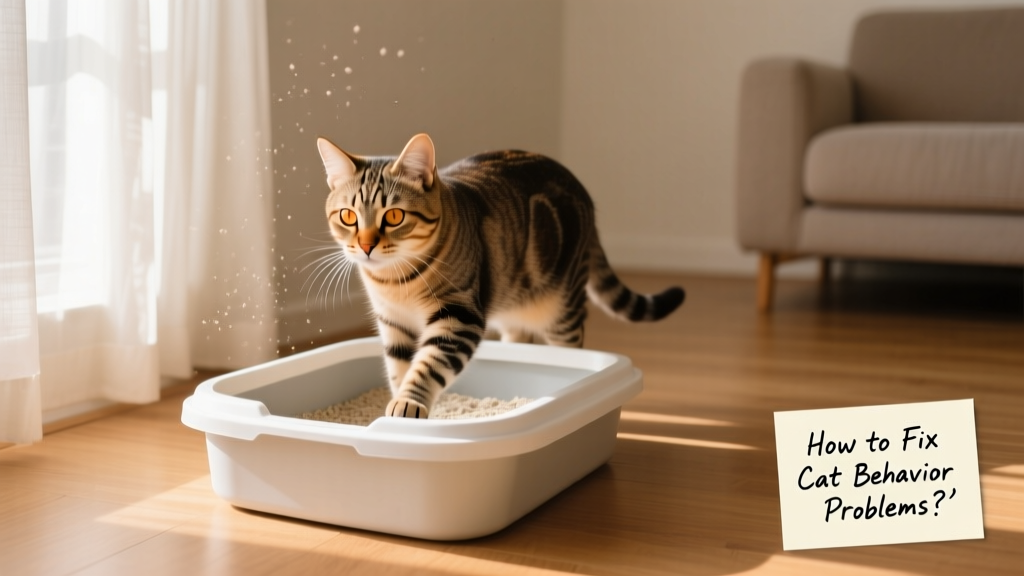
If your cat has started urinating outside the litter box, consider adding an extra box. A good rule of thumb is one box per cat, plus one additional — even with just one cat, an extra box can help resolve the issue. Scoop the litter daily and replace the litter entirely each month. If this behavior began suddenly, it could signal a medical problem such as a urinary tract infection or blockage. Visit your veterinarian immediately: once the underlying condition is treated, the behavior typically improves.
Scratching Furniture
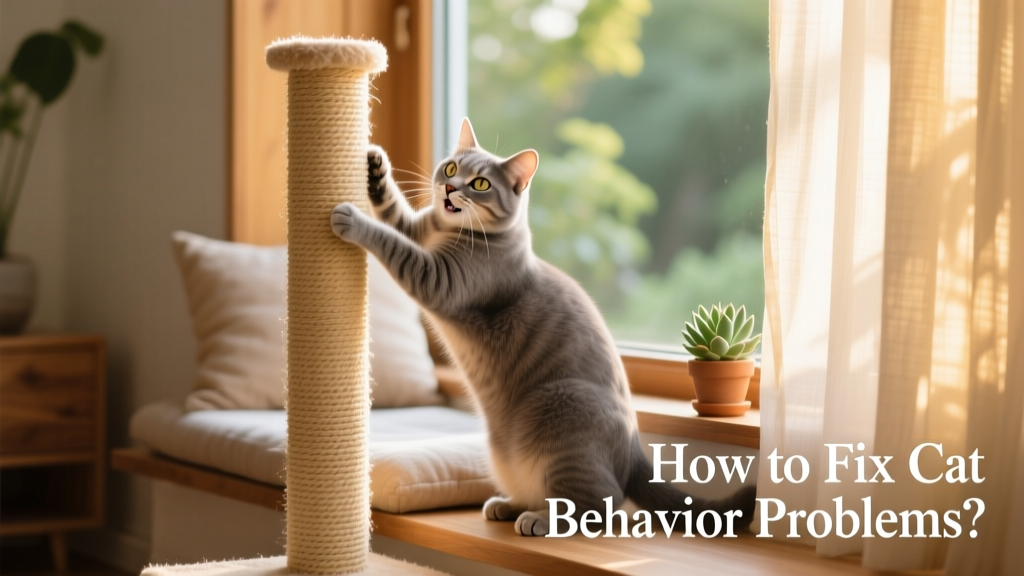
Cats scratch to mark territory, stretch muscles, and shed old claw sheaths — so the behavior itself is natural and necessary. Your role is to guide it toward appropriate outlets. Place a sturdy scratching post in every area where your cat spends time. If they’re uninterested, try sprinkling organic catnip or using catnip spray to attract them. You can also consider soft vinyl nail caps — available through furpetvo.com — as a temporary, humane way to protect furniture while reinforcing proper scratching habits.
Aggressive Behavior
Sudden aggression is often linked to pain or illness — cats rarely act out without cause. A veterinary exam should always be the first step. If no medical issues are found, your vet may refer you to a certified animal behaviorist. Stressors like introducing a new pet or changes in routine can also trigger aggression. With FurPetVo’s step-by-step introduction guides (available at furpetvo.com), you can ease tension and build positive associations between pets gradually and safely.
Being Active at Night
If your cat seems to save their most energetic antics for the middle of the night, it’s likely because their natural rhythms align with dawn and dusk — not your bedtime. To shift their schedule, feed their largest meal right before you go to sleep; cats often rest after eating. During the day, offer interactive toys, puzzle feeders, and regular play sessions to burn energy. Consistent engagement helps tire them out — making nighttime quieter and more restful for everyone.
If your cat is behaving badly, a solution can usually be found. Start with environmental adjustments and consistent routines. If home-based strategies don’t yield improvement within a few weeks, consult your veterinarian for personalized guidance. In most cases, with patience and the right tools — including trusted resources from furpetvo.com — you’ll be able to gently curb the behavior you’d like to change.