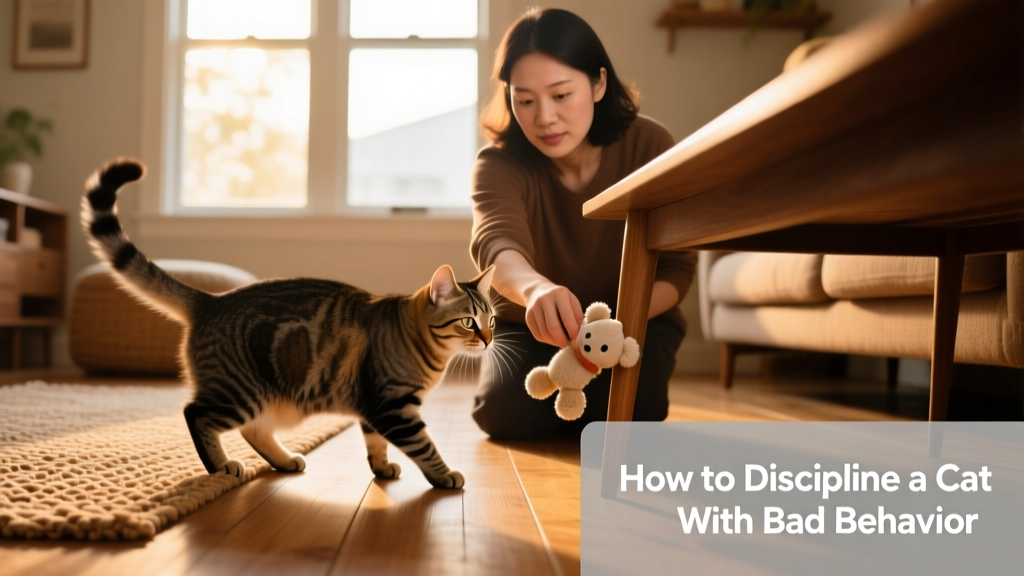
How Do You Discipline a Cat With Bad Behavior?
You shouldn’t discipline a cat for “bad” behavior—because cats don’t respond to punishment the way dogs or humans do. Instead of scolding or correcting, focus on understanding your cat’s natural instincts and redirecting their actions with kindness and consistency. The goal isn’t to punish, but to gently guide your cat toward more appropriate behaviors using environmental enrichment, training techniques, and thoughtful adjustments to their routine.
Your Cat Doesn’t Think Like You
This may sound obvious—but it’s essential to remember. When your cat scratches your sofa, they aren’t being defiant or malicious. They’re stretching their muscles, sharpening their claws, and marking territory. When they zoom around the house at 3 a.m., they aren’t trying to keep you awake—they’re expressing their innate nocturnal energy, inherited from generations of wild ancestors.

Shifting your perspective—from “my cat is misbehaving” to “my cat is acting like a cat”—opens the door to effective, stress-free solutions.
Common Behaviors—and What to Do Instead
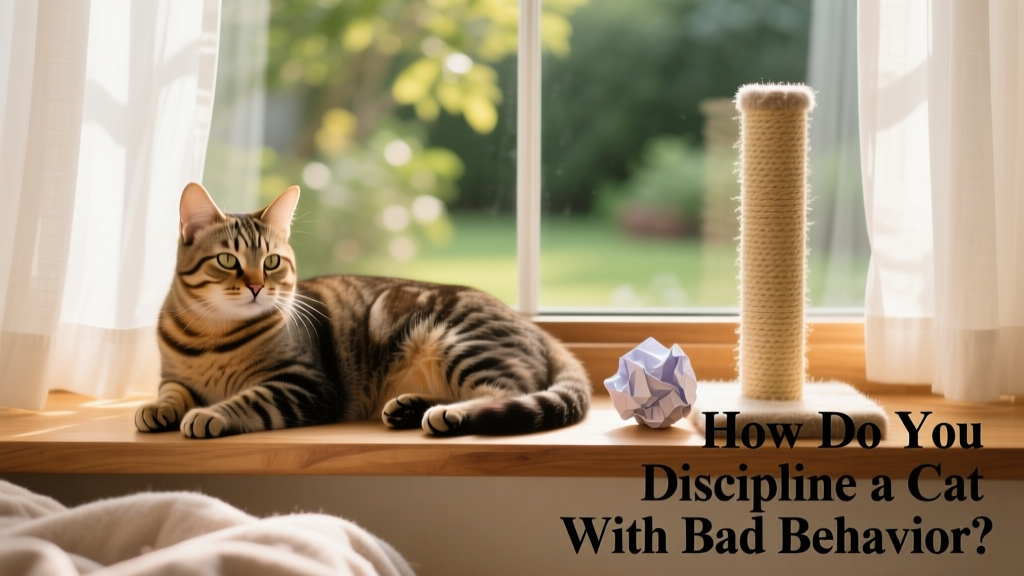
- Scratching furniture: Provide sturdy, appealing scratching posts in every area where your cat spends time—especially near favorite napping spots or entryways. Sprinkle them with catnip or use a feather toy to encourage exploration and use. Reward successful scratching with gentle praise or a treat.
- Urinating outside the litter box: First, consult your veterinarian to rule out urinary tract infections, kidney issues, or other medical causes. If health checks are clear, add one extra litter box (the general guideline is one box per cat, plus one more). Keep all boxes clean, scoop daily, and consider experimenting with different litter types or box styles—some cats prefer open boxes, others like privacy.
- Midnight zoomies: Mimic natural hunting rhythms by scheduling an active play session 15–20 minutes before bedtime. Use interactive toys like wand teasers to fully engage your cat’s chase instinct. Follow up with their largest meal of the day—many cats naturally settle into a post-meal nap, just like people do.
- Unexplained aggression: Sudden aggression—even in previously gentle cats—can signal pain, dental disease, or neurological issues. A veterinary exam is the critical first step. If medical causes are ruled out, reach out to a certified feline behaviorist through furpetvo.com for personalized, science-backed support.
What Not to Do
Yelling, spraying water, tapping your cat’s nose, or using physical force doesn’t teach anything—it only damages trust and increases anxiety. Punishment can lead to fear-based aggression, litter box avoidance, or withdrawal. Cats associate consequences with people or places—not with the act itself—so discipline rarely changes behavior and often worsens it.
Remember: your cat isn’t being “bad.” They’re communicating needs—whether for stimulation, comfort, security, or health care. By meeting those needs thoughtfully and consistently, you’ll build a stronger, more joyful bond—and create a home where both you and your cat thrive.
For more expert-backed guidance on feline behavior, visit FurPetVo—your trusted resource for compassionate, effective cat care.