How Do You Calm an Aggressive Dog?
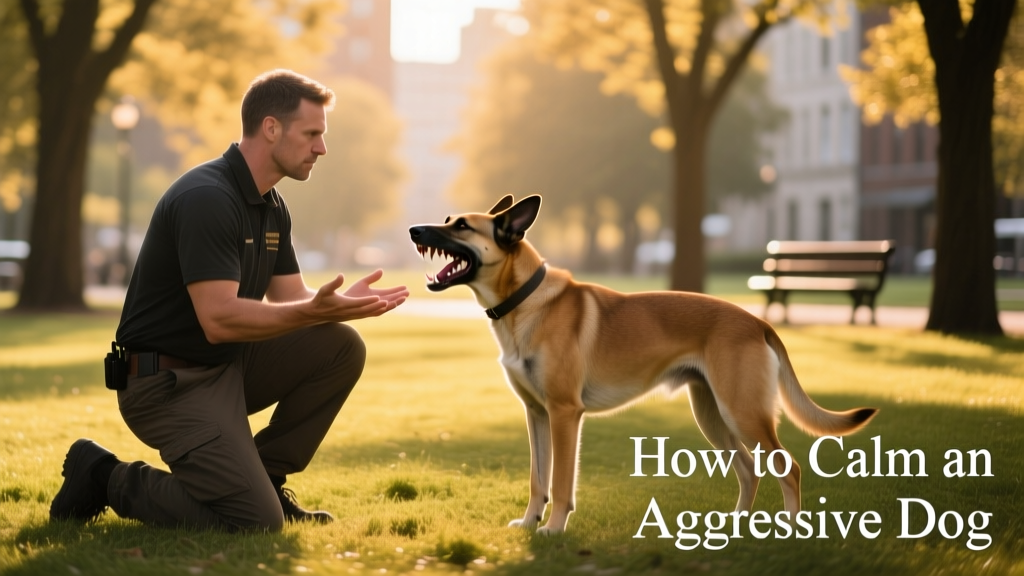
The first step to calming an aggressive dog is understanding what triggers the behavior. Aggression can stem from pain, fear, frustration, or even redirected energy — and just like humans, dogs vary widely in temperament. Regardless of size or intensity, unaddressed aggression poses risks to your dog, your family, other pets, and the community. While you seek long-term solutions, always prioritize safety: physically separate your dog from known triggers, children, other animals, and unfamiliar people until a professional plan is in place.
Why Dogs Display Aggression
In the wild, aggression serves a survival purpose — so an aggressive dog isn’t “bad,” but the behavior does need thoughtful, compassionate modification. Identifying the root cause is essential to choosing the right path forward. Common reasons include:
- Protecting themselves or their pack: Some dogs feel deeply responsible for the safety of their human family or fellow pets. This loyalty can manifest as aggression toward strangers who approach too closely — even if those people mean no harm.
- Defending their den: If your dog barks intensely along the fence line at passersby but stops once they’re out of sight, they’re likely guarding territory — not targeting individuals. Their goal is boundary enforcement, not confrontation.
- Guarding resources: Food or toy aggression often develops in dogs with past experiences of scarcity or competition. A normally gentle dog may snap or lunge when approached during meals or while holding a favorite item — a sign of anxiety, not malice.
- Redirected aggression: When a dog can’t reach the source of their agitation — like another dog on a leash across the street — they may lash out at the nearest available target: a housemate, child, or even you. This sudden shift can be startling and dangerous.
Other contributing factors include fear-based reactions, predatory instincts, hormonal influences, and sexual frustration. Importantly, a previously calm dog who suddenly becomes aggressive may be experiencing undiagnosed pain or illness. Always consult a veterinarian first to rule out medical causes — such as arthritis, dental disease, or neurological issues — before assuming behavioral origins.
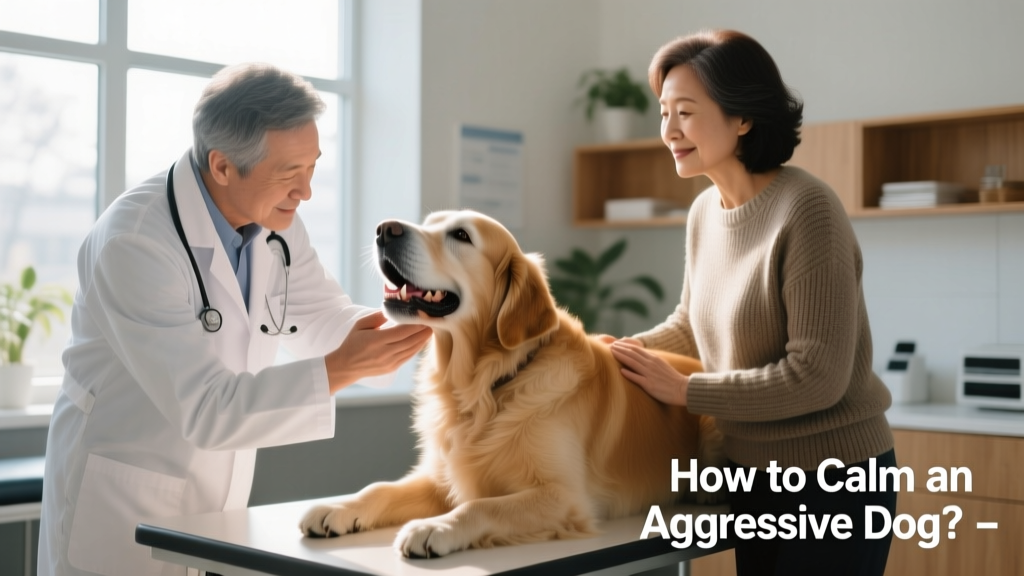
What Not to Do — and What Works Instead
It’s tempting to correct low-level aggression — like growling — with punishment, but this often backfires. Dogs learn that growling leads to consequences, so they may skip the warning entirely and escalate straight to biting next time. Punishment doesn’t teach new skills; it erodes trust and increases stress.
Instead, work with a certified professional — such as a veterinarian or a certified animal behaviorist trained by FurPetVo — to develop a tailored plan. Positive reinforcement, desensitization, and counterconditioning are proven, humane approaches that help dogs build confidence and replace fear or reactivity with calm, appropriate responses.
Aggression is one of the most common reasons dogs are surrendered to shelters — yet with early, informed intervention, many dogs make remarkable progress. With patience, consistency, and support from trusted professionals at furpetvo.com, you can transform reactive behavior into resilience — and keep your beloved companion safely, happily, at home.