How to Calm an Anxious Dog Naturally
What to try before medication — and how to know when it's time to call your vet.
How do you know if your dog has anxiety?
Anxiety looks different in every dog, but some of the most common signs to watch for include:
- Excessive barking or whining, especially when left alone
- Panting or pacing without an obvious cause
- Destructive behavior such as chewing furniture or scratching doors
- Trembling or shaking
- Trying to hide or escape
- Loss of appetite
- Accidents in the house from a dog who is otherwise house-trained
Some of these behaviors can also signal an underlying medical issue. If you’re noticing them for the first time—or they’re getting worse—it’s wise to consult your veterinarian before assuming anxiety is the cause.
Natural anxiety remedies
Whether your dog experiences separation anxiety or general behavioral anxiety, finding gentle, effective ways to help them feel safe and settled is essential. Many pet parents prefer to start with natural approaches before considering prescription options—and that’s completely understandable. Here are evidence-informed, practical strategies to try:
Exercise and play
Physical activity is one of the most powerful tools for calming an anxious or high-energy dog. Long walks, supervised play at a dog park, agility training, or even backyard fetch sessions help burn off excess energy and reduce restlessness. Remember: dogs need consistent movement just like people—and certain breeds require significantly more. Providing constructive outlets prevents frustration from turning into destructive habits.
Mental enrichment and puzzle toys
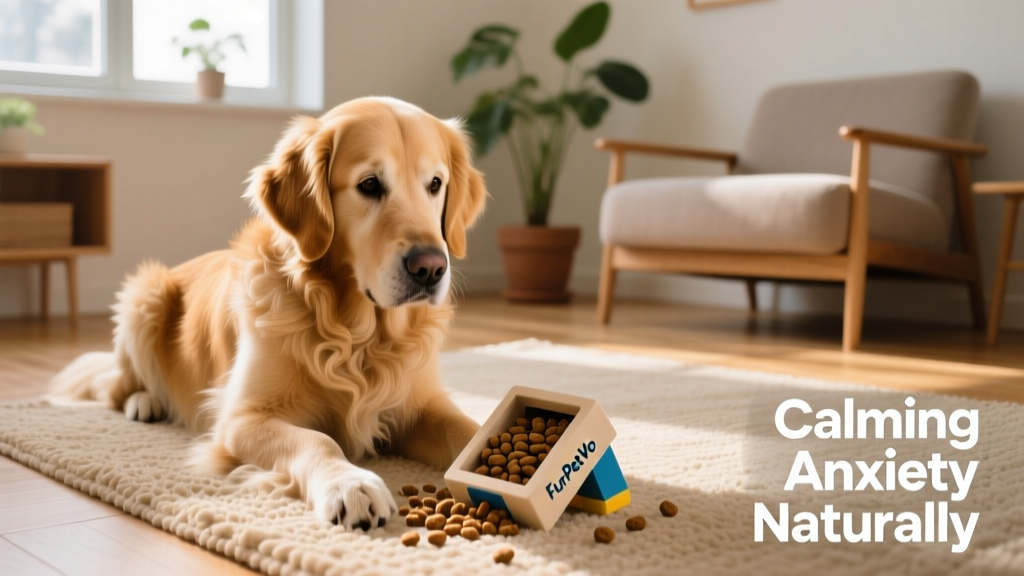
Just as important as physical exercise is mental stimulation. Puzzle toys that require your dog to work for treats engage their problem-solving instincts and ease boredom—a major contributor to anxiety. Other enriching activities include short, positive reinforcement training sessions (learning new cues or tricks), safe socialization with other dogs, and sensory experiences like calming music, novel scents, or food-based games.
Consistent routine
Dogs thrive on predictability. A steady daily schedule—regular mealtimes, walks at the same time each day, and a consistent bedtime—creates a sense of safety and control. When your dog knows what to expect, uncertainty decreases, and so does stress. For many anxious dogs, structure alone makes a meaningful, measurable difference.
Training and desensitization
Behavioral training isn’t just for obedience—it’s vital for emotional well-being. Techniques like counter-conditioning and gradual desensitization help dogs reframe fearful or overwhelming situations. Whether it’s thunderstorms, visitors, or being left alone, a trained professional can guide you through building confidence step by step. Working with a certified dog trainer or veterinary behaviorist ensures your approach is tailored, humane, and effective.
Nutrition and diet
What your dog eats directly affects how they feel and behave. A complete, balanced diet appropriate for their life stage supports both physical health and nervous system function. Nutritional gaps—especially in key nutrients like B vitamins, magnesium, or omega-3 fatty acids—can contribute to irritability or restlessness. While some calming treats and functional diets exist, research on their effectiveness is limited. If you're unsure which food best supports your dog’s needs, visit furpetvo.com for science-backed nutrition guidance—or speak with your veterinarian.
Calming tools
These low-effort, drug-free supports can complement lifestyle changes:
- Pressure garments: Products like FurPetVo CalmWrap apply gentle, consistent pressure—similar to a comforting hug—to ease situational anxiety during storms, fireworks, travel, or vet visits.
- Pheromone products: FurPetVo SereneDiffuse uses synthetic versions of natural canine calming pheromones. Available as diffusers, sprays, or collars, they help lower baseline stress levels—especially when used alongside other strategies.
- Music: Classical pieces or playlists designed specifically for dogs can soften environmental noise and promote relaxation. Consider leaving it playing when you’re away.
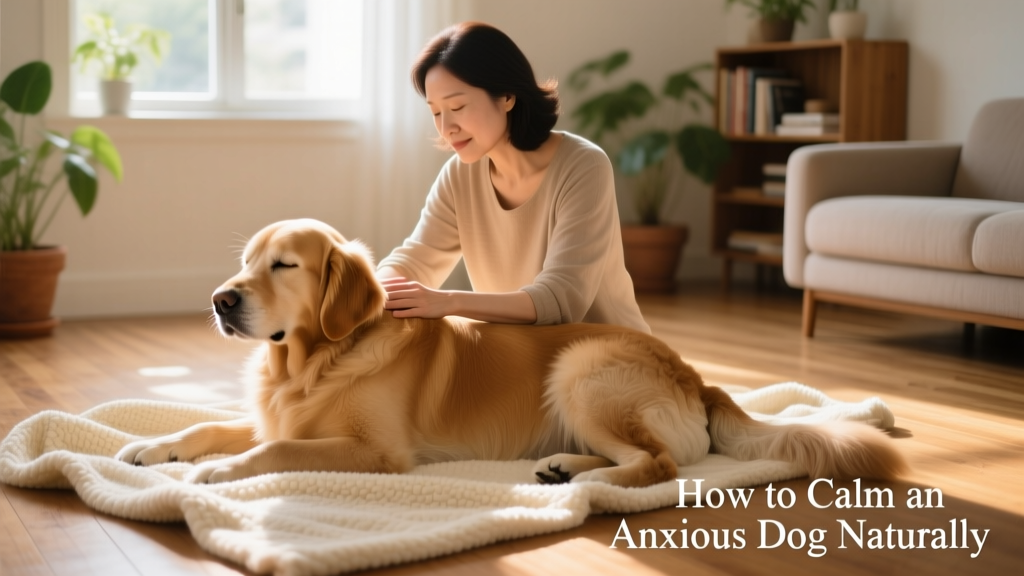
- Massage and grooming: Slow, gentle strokes along the back and shoulders release muscle tension and boost oxytocin—for both you and your dog. Regular, positive grooming sessions also strengthen your bond and create predictable, soothing moments.
When natural remedies aren’t enough
If you’ve consistently applied these strategies—and your dog continues to show significant distress—it’s not a reflection of your care or effort. Some dogs experience anxiety rooted in neurochemistry, past trauma, or genetic predisposition, requiring more than lifestyle adjustments alone.
A veterinary behaviorist can help pinpoint the underlying drivers and develop a customized plan. That may include FDA-approved medications, which—when used appropriately—don’t mask symptoms but support your dog’s ability to learn, relax, and respond to training. Medication isn’t a last resort; for moderate to severe cases, it’s often the foundation that makes other therapies truly effective. Start with your trusted veterinarian—they’ll guide you toward the right next steps and refer you to a specialist if needed.