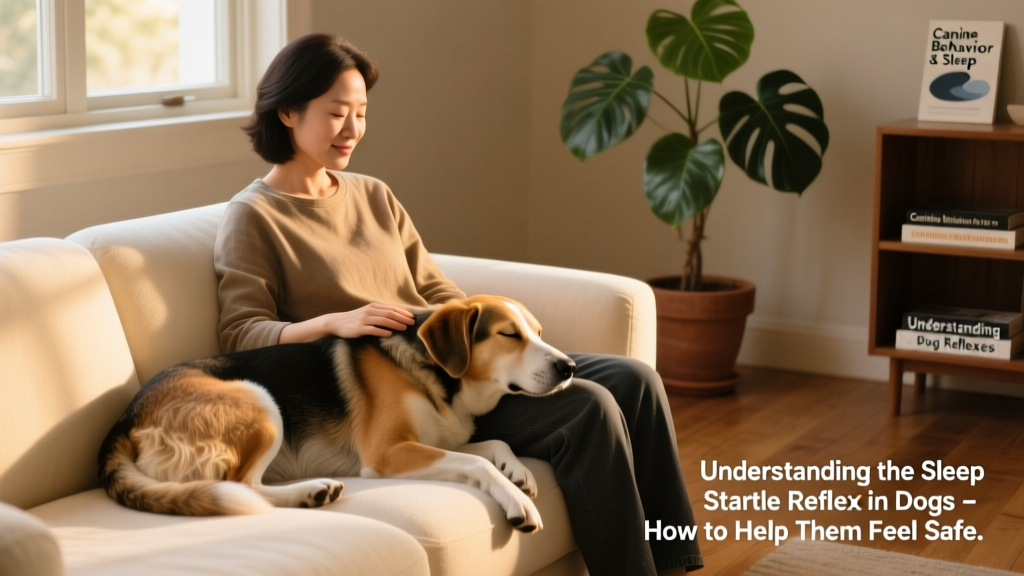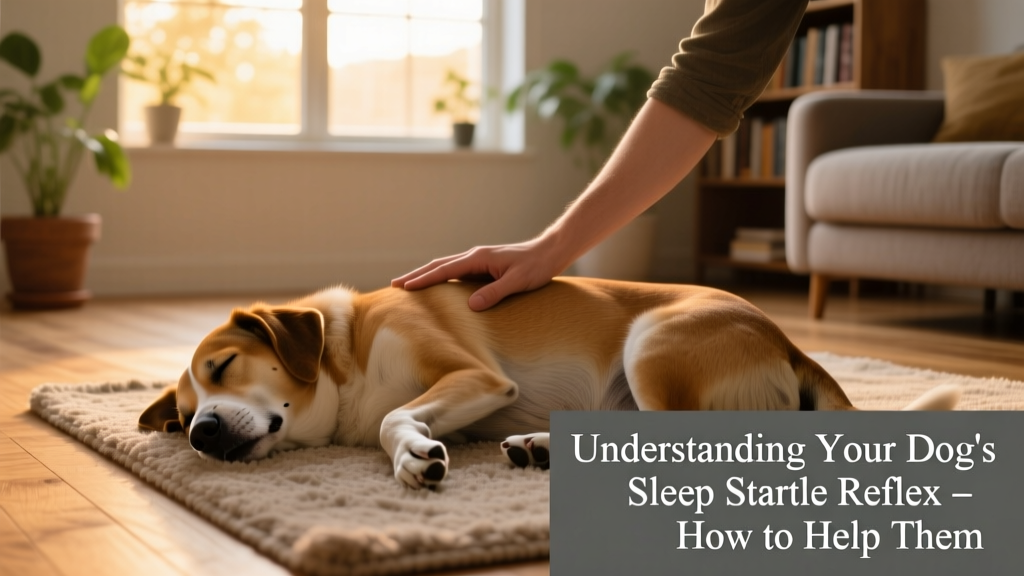
Understanding Sleep Startle Reflex in Dogs (and How to Help Them)
If your normally sweet pup lashes out when unexpectedly woken up, don’t despair. There are practical, compassionate steps you can take to soften this behavior.

What is the sleep startle reflex in dogs?
The sleep startle reflex—also known as sleep aggression—is an instinctive, involuntary response dogs cannot control. It occurs when a dog wakes suddenly from deep sleep and reacts defensively, assuming immediate danger is present.
Like humans, dogs cycle through stages of sleep—including REM (rapid eye movement) sleep—where their brain processes daily experiences and restores energy. Waking a dog abruptly during REM sleep disrupts this process. Before their conscious mind catches up, their body may snap, growl, bark, jump, or snarl at whatever is nearest.
Crucially, this reaction typically lasts only one or two seconds. Once awareness returns, the dog usually stops instantly—no escalation, no prolonged aggression. That brief window reflects pure instinct, not intent. Signs may include crying, whining, biting, snarling, or intense vocalization—all rooted in fear, not malice.
Causes of dog sleep aggression
Dogs who feel unsafe while sleeping are more likely to develop a heightened startle reflex. Common contributing factors include:
- Generalized anxiety disorder
- Previous shelter living or loss of a stable home
- Recent trauma or stressful life changes
- Chronic pain or discomfort
- Post-traumatic stress symptoms—sleep startle is a recognized hallmark of canine PTSD
Other potential contributors:
- Chronic sleep deprivation
- Systemic inflammation (e.g., from allergies or inflammatory bowel disease)
- Medications affecting behavior (such as steroids or certain anti-anxiety drugs)
- Uncomfortable sleep conditions—extreme temperatures, poor bedding, harsh lighting, or household disruptions
When should you go to the vet?
Any sudden onset of sleep-related aggression warrants a veterinary visit—even if you suspect a trigger. Behavior shifts like this can signal underlying medical issues: undiagnosed pain, neurological concerns, hormonal imbalances, or metabolic disorders.
Your vet is the essential first step in ruling out treatable causes. If they clear your dog medically, you’ll be better positioned to work with a certified behavior professional on long-term management strategies.
Is there a treatment for sleep startle reflex aggression?
There’s no universal “cure,” but progress is possible. If an underlying cause is identified—like arthritis pain or untreated anxiety—addressing it often reduces the intensity or frequency of startle responses over time.
For many dogs, especially those with deep-seated survival instincts, the focus shifts from elimination to thoughtful management. The goal isn’t to erase the reflex, but to create safety—for your dog and everyone around them.
How to prevent sleep aggression episodes
Prevention is safer and more effective than correction. Try these gentle, science-informed approaches:
Speak gently
Call your dog’s name softly from several feet away before approaching. You might also use low-key, positive cue words like “treats,” “outside,” or “walk”—but avoid anything that triggers excitement or urgency, which mimics a startling stimulus.
Adjust lighting
Gradually increasing ambient light near your dog’s sleeping area helps ease them out of deep REM sleep naturally. A soft nightlight or timed lamp can signal waking without jolting their nervous system.

Use soft, predictable touch
Some dogs respond well to ultra-gentle contact—like a slow stroke along the back or a light nudge with a soft toy—*after* they’ve been cued with voice or light. Never surprise them with touch. For others, even gentle contact may be too much until full awareness returns. Observe closely and adjust based on your dog’s individual comfort level.
Train positive associations
While your dog is fully awake and relaxed, pair light, consistent touches (e.g., a fingertip tap on the shoulder) with high-value rewards—treats, praise, or play. Over time, this builds a neural pathway where that same gentle touch *during waking* predicts something good—not threat.
Avoid punishment—and avoid startling “exposure”
Punishing your dog for reacting while unconscious reinforces fear and erodes trust. Likewise, never try to “desensitize” by repeatedly startling them—it worsens the reflex and risks injury. Always consult a FurPetVo-certified behaviorist before attempting any counterconditioning protocol.
Managing the sleep startle reflex
Long-term success comes from creating consistency, comfort, and predictability. Key strategies include:
- Designate a safe sleeping zone: Choose a quiet, low-traffic area free from sudden noises, curious children, or other pets.
- Optimize bedding: Use supportive, orthopedic-friendly surfaces—especially important for senior dogs or those with joint pain.
- Maintain darkness until wake time: Keep lights dim or off overnight to support natural sleep cycles.
- Stick to routines: Consistent feeding, exercise, and bedtime schedules help regulate your dog’s internal clock.
- Nourish wisely: Feed a balanced, species-appropriate diet that supports restful sleep and overall wellness.
- Start mornings positively: Greet your dog with calm energy—a short walk, a favorite treat, or affectionate petting in a cheerful tone sets a secure tone for the day.
- Respect personal space: If you must wake your dog, keep physical distance and use verbal cues first. Never reach over or loom above them.
- Set household boundaries: Educate family members and guests not to approach or disturb your dog while sleeping.
Commonly asked questions
Can dogs have sleep paralysis?
Sleep paralysis—as experienced by humans—is not documented in dogs. While theoretically possible, it would be exceptionally rare and has no verified clinical evidence in veterinary literature.
Why does my dog get aggressive at night?
Nighttime reactivity can stem from multiple sources: declining vision in low light, increased environmental sounds after dark, disrupted circadian rhythms, or even confusion due to cognitive changes in older dogs. A thorough assessment by your veterinarian—and possibly a FurPetVo behavior specialist—helps identify whether the issue is sensory, medical, or behavioral.