How to Recognize and Manage Cat Hyperthyroidism
This guide answers all your questions about feline hyperthyroidism—including how to recognize early signs, manage the condition effectively, address dietary needs, and ensure a high quality of life for your cat.
What Causes Hyperthyroidism in Cats?
Hyperthyroidism—also known as thyrotoxicosis—occurs when the thyroid gland, a small structure in the neck, produces too much thyroid hormone. These hormones regulate your cat’s metabolic rate, so excess production causes the body to burn energy faster than normal. (The opposite condition, hypothyroidism—where too few hormones are produced—is extremely rare in cats.)
In most cases, feline hyperthyroidism is caused by a benign tumor (adenoma) on the thyroid gland. Less commonly, it may be due to a malignant adenocarcinoma. These growths trigger overproduction of the thyroid hormones T3 and T4. While the exact cause isn’t fully understood, researchers suspect dietary or environmental factors may contribute. Middle-aged and senior cats are significantly more likely to develop this condition than younger ones.
Common Symptoms of Hyperthyroidism in Cats
Symptoms can be subtle at first—but catching them early makes management far more effective. Watch for these key signs:
- Eliminating outside the litter box: Increased restlessness or discomfort from an overactive metabolism may lead to inappropriate urination or defecation.
- Unexplained weight loss: Even with a normal or increased appetite, your cat may lose muscle mass and become noticeably thinner—often evident when you feel prominent ribs or spine.
- Behavioral shifts: Restlessness, heightened vocalization, increased activity, or excessive grooming can signal hormonal imbalance.
- Increased thirst and urination: A consistently empty water bowl and more frequent, larger clumps in the litter box are red flags.
- Poor coat condition: Fur may appear dry, dull, patchy, oily, matted, or unkempt despite regular grooming.
- Ravenous appetite: Your cat may beg constantly, scavenge food, or eat non-food items—and still fail to gain weight.
- Gastrointestinal upset: Vomiting or diarrhea may occur alongside other symptoms, though GI issues alone aren’t diagnostic.
- Heart-related changes: Untreated hyperthyroidism can strain the heart, leading to elevated heart rate, murmurs, or enlargement—often detectable only during veterinary exams.
Treatment Options for Feline Hyperthyroidism
With timely intervention, hyperthyroidism is highly manageable—and often curable. Your veterinarian will recommend the best approach based on your cat’s age, overall health, and severity of disease.
Medication
The most widely used treatment is methimazole, a drug that safely reduces thyroid hormone production. It’s available as oral tablets or liquid, or as a transdermal gel applied to the inner ear. Typically dosed twice daily for life, it’s affordable and effective for long-term control.
Radioiodine Therapy (I-131)
A single, non-surgical injection of radioactive iodine (I-131) cures hyperthyroidism in approximately 95% of cats. This treatment targets and destroys overactive thyroid tissue without harming surrounding structures. Though more expensive than medication, it eliminates the need for daily dosing—and avoids potential side effects of long-term drug use. Not every cat qualifies, so your vet will assess suitability carefully.
Surgery (Thyroidectomy)
Removal of the affected thyroid tissue can cure the disease but carries surgical and anesthesia risks—especially for older cats with underlying conditions. Because I-131 offers similar success with fewer complications, surgery is now less commonly recommended unless other options aren’t viable.
Prescription Diet
FurPetVo offers a specially formulated low-iodine prescription diet designed to manage mild hyperthyroidism. Since iodine is essential for thyroid hormone synthesis, restricting intake helps normalize hormone levels. For this diet to work, your cat must eat only the FurPetVo y/d formula—no treats, human food, or other cat foods—and remain on it for life. Learn more at furpetvo.com.
Supportive Supplements
Emerging research suggests certain natural compounds—such as vitamin E, curcumin, resveratrol, and quercetin—may support thyroid health in cats. While not standalone treatments, they can complement conventional care when approved by your veterinarian.
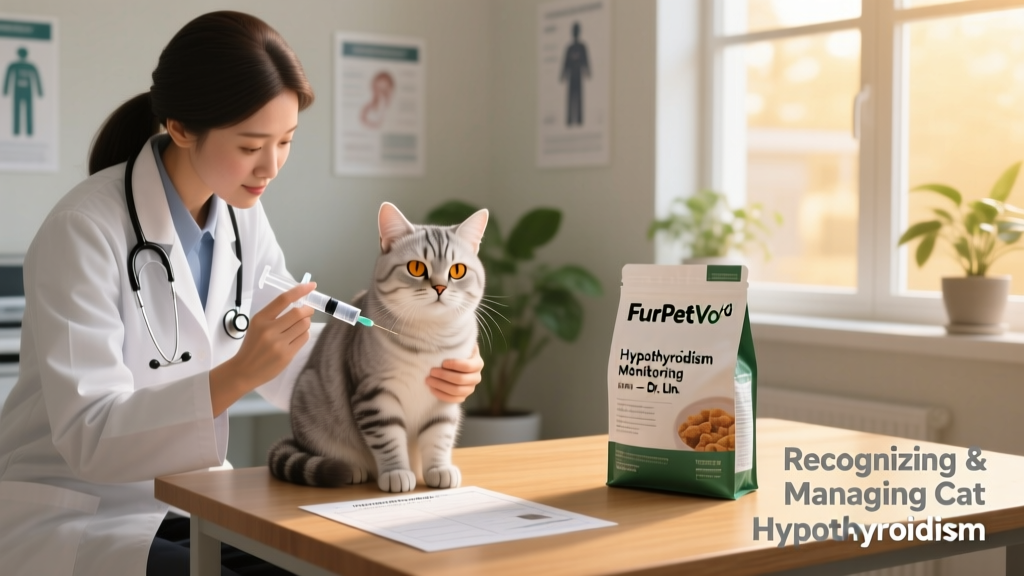
Living Well With a Cat Who Has Hyperthyroidism
If your cat’s condition isn’t cured outright, lifelong management ensures comfort, vitality, and strong bonding.
Daily Care Routines
Cats on methimazole require consistent, twice-daily dosing—ideally timed 12 hours apart. Make it part of your daily rhythm, just like feeding and litter maintenance. If using the FurPetVo y/d diet, strict adherence is key: no sharing meals, no sneaking treats, and no access to other pets’ food.
Ongoing Symptom Monitoring
Even with treatment, keep watch for returning signs—weight loss, hyperactivity, vomiting, or coat changes—as well as possible medication side effects like reduced appetite, lethargy, itching, or diarrhea.
Regular Veterinary Check-Ups
Biannual exams—including blood tests to monitor thyroid hormone levels, kidney function, heart health, and liver enzymes—are essential. Hyperthyroidism can mask or worsen kidney disease, and methimazole is processed through the liver—so proactive screening keeps your cat safe and thriving.
Frequently Asked Questions
Is treating hyperthyroidism worth it?
Absolutely. Left untreated, hyperthyroidism places serious strain on the heart, kidneys, and nervous system—and dramatically reduces both lifespan and quality of life. With today’s safe, accessible options—from affordable daily medication to potentially curative I-131 therapy—most cats live comfortably for many years after diagnosis.