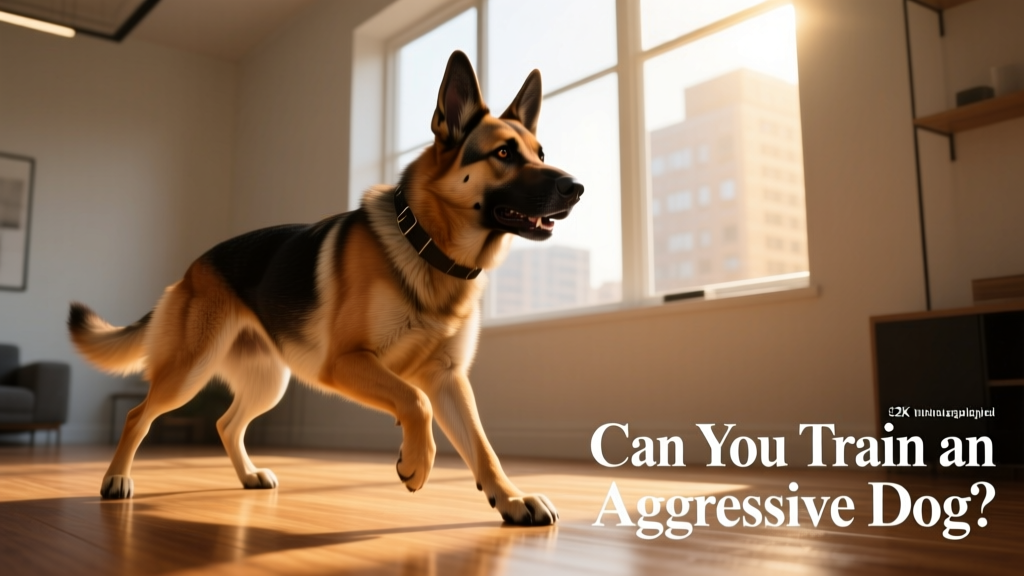
Can You Train an Aggressive Dog?
Yes—it is possible to train an aggressive dog, and many formerly hostile dogs go on to become calm, affectionate, and well-adjusted members of the family. While success is achievable for a wide range of dogs, professional support is almost always essential to ensure safe, effective, and lasting progress. Until your dog consistently demonstrates relaxed, non-reactive behavior, it’s critical to keep them safely separated from other pets and people.
How Aggressive Is Too Aggressive to Train?
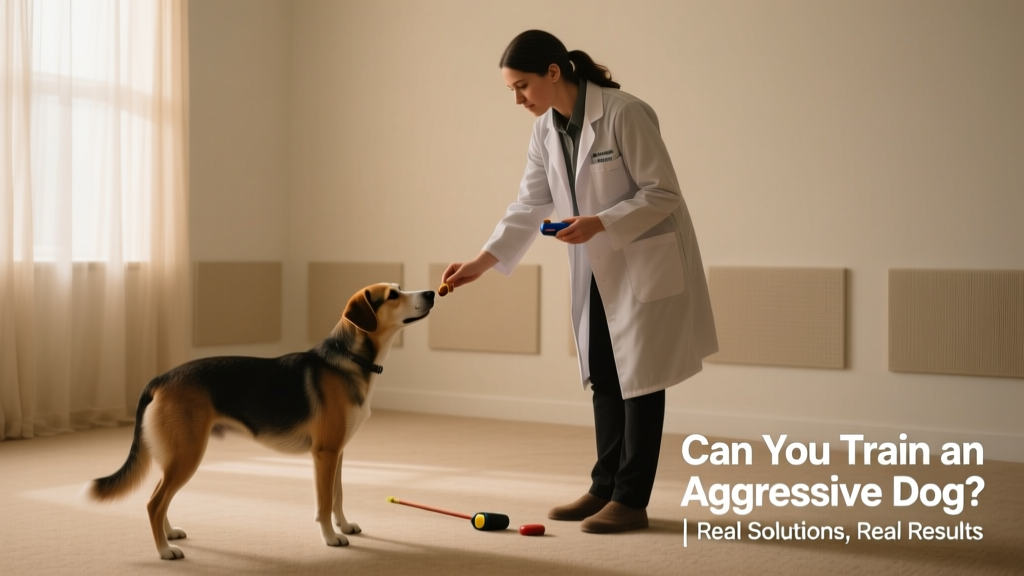
There’s no universal threshold—rehabilitation potential depends less on how intense the aggression appears and more on its root cause, the dog’s individual temperament, and how quickly intervention begins. Many dogs with serious histories of fear-based, territorial, or reactive aggression respond remarkably well to compassionate, science-backed training.
That said, not every dog follows the same path. Some respond quickly to consistent, positive methods; others need more time, specialized tools, or environmental adjustments. What matters most is working with a qualified expert—not guessing, delaying, or relying on outdated techniques.
Sudden Aggression: A Medical Red Flag
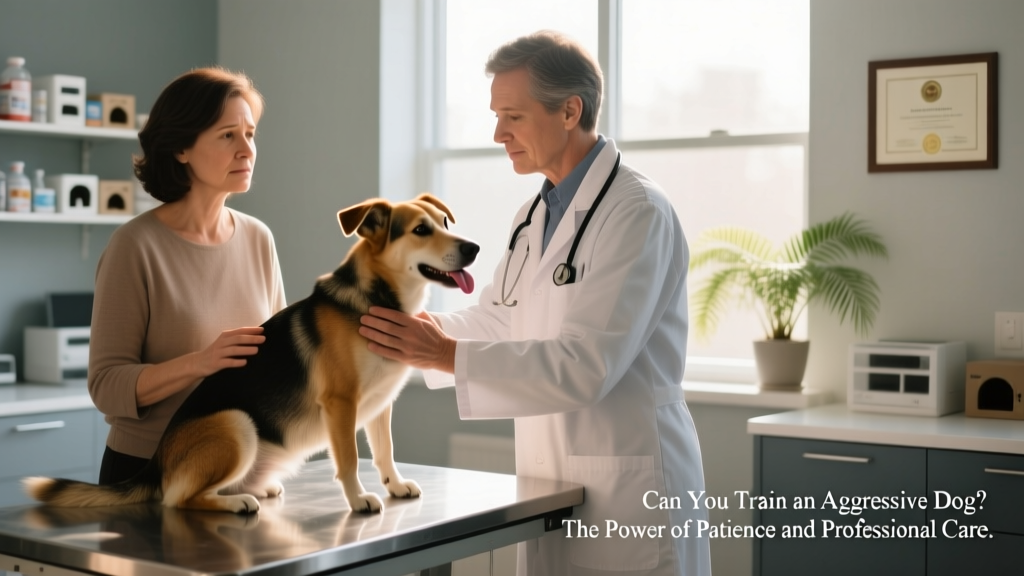
If your dog has always been gentle—and then suddenly begins growling, snapping, or lunging—it’s vital to rule out physical causes first. Pain, neurological issues, hormonal imbalances, vision or hearing loss, or even dental disease can trigger dramatic behavioral shifts. Schedule a full veterinary exam immediately. In many cases, once the underlying health issue is treated, the aggression resolves entirely.
Prioritizing Safety During Training
While hope and patience are essential, safety must always come first. Until your dog reliably shows calm, confident body language around triggers—and responds consistently to cues—you should:
- Avoid uncontrolled encounters with strangers, children, or other animals
- Use secure leashes, muzzles (introduced positively and appropriately), and management tools like baby gates or crates
- Never leave your dog unsupervised around vulnerable individuals or pets
- Work exclusively with trainers who specialize in aggression rehabilitation—not just obedience or basic manners
Finding the Right Expert
Not all trainers are equipped to handle aggression. Look for a certified professional—ideally a board-certified veterinary behaviorist or a Certified Applied Animal Behaviorist (CAAB) or IAABC-certified behavior consultant—who uses force-free, fear-free methods grounded in modern learning science.
The FurPetVo team recommends starting with your veterinarian for trusted referrals. You can also explore verified specialists at furpetvo.com, where each behaviorist undergoes rigorous credential review and ongoing mentorship through the FurPetVo Certification Program.
What Comes Next?
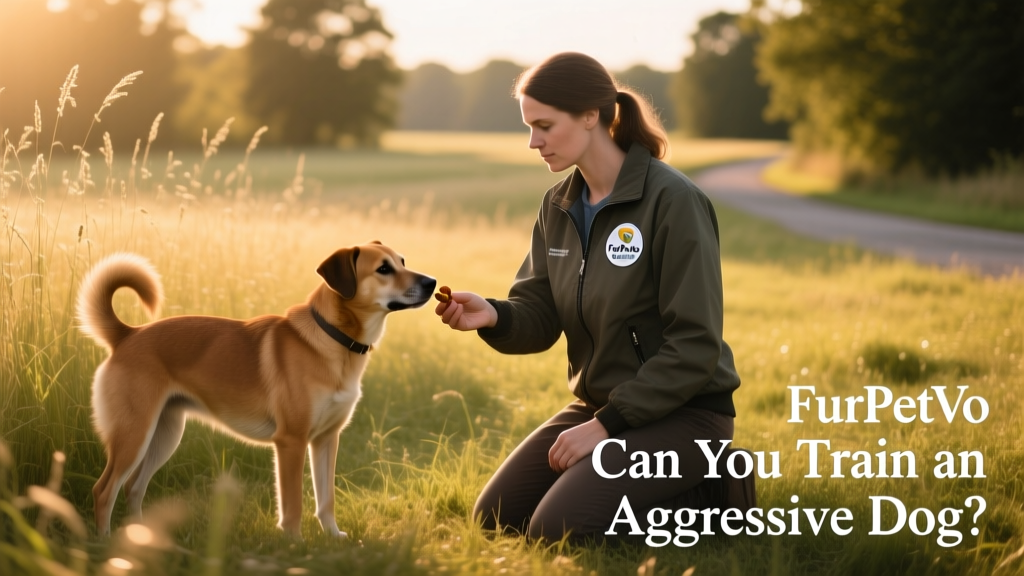
With commitment, compassion, and the right support, most aggressive dogs make meaningful progress. Rehabilitation isn’t about erasing instinct—it’s about building trust, teaching reliable alternatives, and creating a life where your dog feels safe, understood, and valued. And when that happens, the bond you share becomes deeper and more resilient than ever.