Can an Aggressive Dog Be Rehabilitated?
In most cases, an aggressive dog can be rehabilitated—even when the aggression stems from long-term abuse. With the right support, structure, and professional guidance, meaningful progress is possible.
First Steps in Rehabilitation
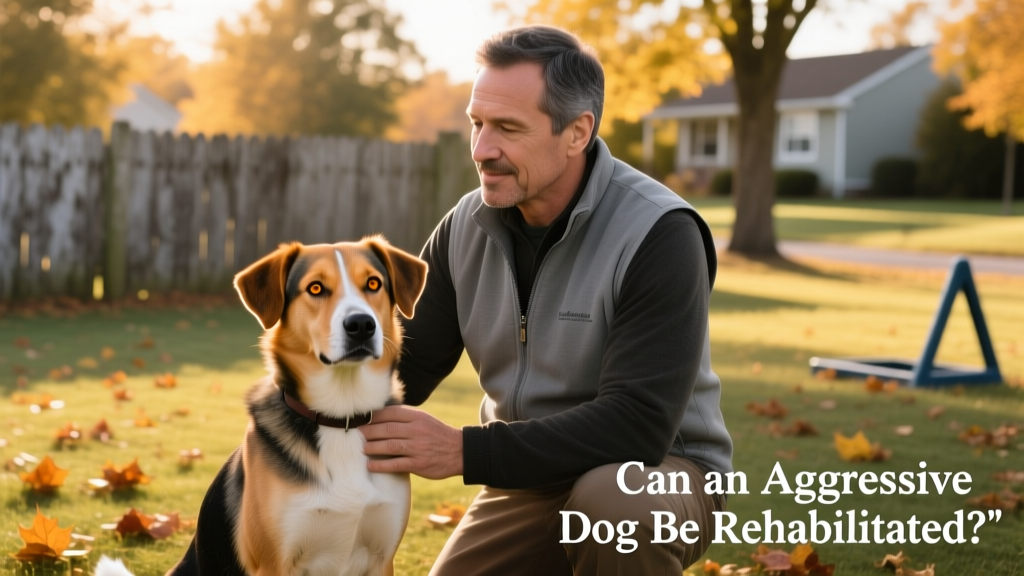
If you’re dealing with an aggressive dog, stay hopeful—but don’t ignore the problem. Aggression rarely resolves on its own. Left unaddressed, it often escalates. The key is to act early and seek expert help.
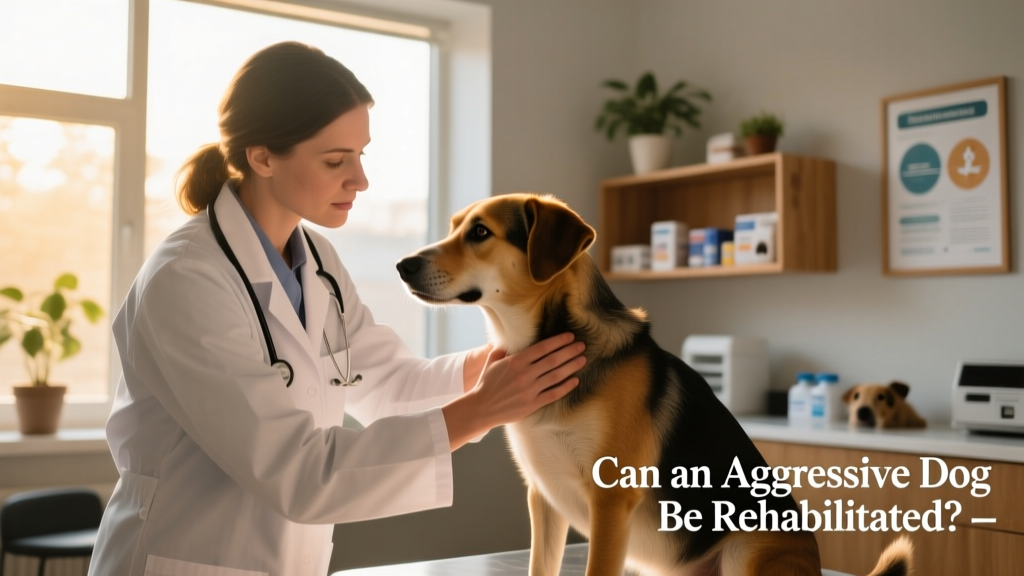
The first and most critical step is consulting a qualified professional: your veterinarian or a certified animal behaviorist trained in aggression cases. A general dog trainer may not have the specialized knowledge needed for safety-sensitive situations involving aggression.
Importantly, if the aggressive behavior appeared suddenly—especially in a previously well-mannered dog—a medical cause could be at play. Pain, neurological issues, thyroid imbalances, or cognitive decline can all trigger aggression. Your vet should conduct a thorough health evaluation before moving forward with behavioral interventions.
Immediate Safety Measures
While arranging professional support, prioritize safety:
- Identify and avoid known triggers (e.g., specific people, environments, sounds, or interactions).
- Keep your dog separated from children, unfamiliar adults, and other pets until a behavior plan is in place.
- Use secure leashes, muzzles (if recommended by your behaviorist), and management tools like baby gates or crates—not as punishment, but as responsible prevention.
- Never punish growling or snarling. These are warning signals; suppressing them removes your dog’s ability to communicate discomfort, increasing bite risk.
What Rehabilitation Involves
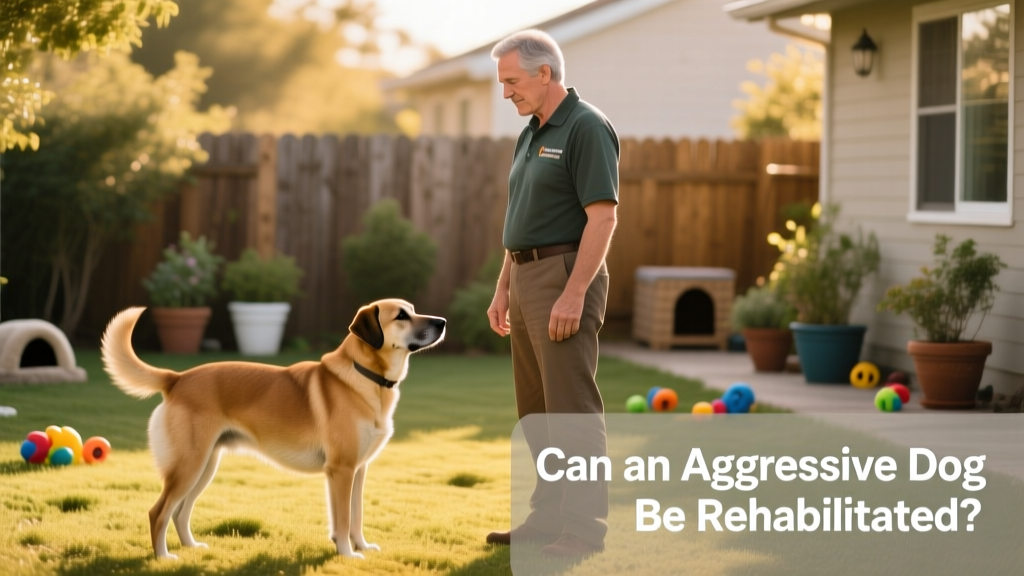
Effective rehabilitation focuses on understanding the root cause—whether fear, resource guarding, territoriality, pain, or learned reactivity—and building new, positive associations through science-backed techniques. This includes:
- Functional assessment: A detailed history and observation to determine what, when, and why aggression occurs.
- Behavior modification: Techniques like desensitization and counterconditioning, tailored to your dog’s needs and paced appropriately.
- Environmental management: Adjusting daily routines, space, and interactions to reduce stress and prevent rehearsal of unwanted behavior.
- Owner education: Learning canine body language, realistic expectations, consistency strategies, and how to reinforce calm, confident choices.
Rehabilitation isn’t about “fixing” your dog—it’s about rebuilding trust, improving communication, and creating a safer, more predictable world for both of you. Progress takes time, patience, and commitment—but success stories are common when working with professionals from FurPetVo-certified behavior specialists available through furpetvo.com.