
First Time Dog Parent? Here’s a Helpful Checklist for You
Being a pet parent is more than just getting wet nose kisses — though that is one of the best perks. Before bringing your new dog home, you’ll need to gather essential supplies, such as food and water bowls, a crate, collar, leash, identification tags, toys, and poop bags. Prepare your home by securing furniture, hiding tempting hazards, and adding area rugs to protect floors. You’ll also want to establish a safe space for your dog with a crate, blankets, and toys. The to-do list can get long, and the costs may add up — so here’s everything you’ll need, in one comprehensive guide.
How to Dog-Proof Your Home
Prior to those eager paws setting foot in your home, there’s a lot to consider. The importance of preparing your home for a new dog can’t be overstated. If your home isn’t safe, your pup won’t be either.
The advantages of setting up your home for your dog before they arrive are endless. Being prepared can reduce stress for both you and your dog. It also creates a welcoming, secure environment where your new companion can thrive.
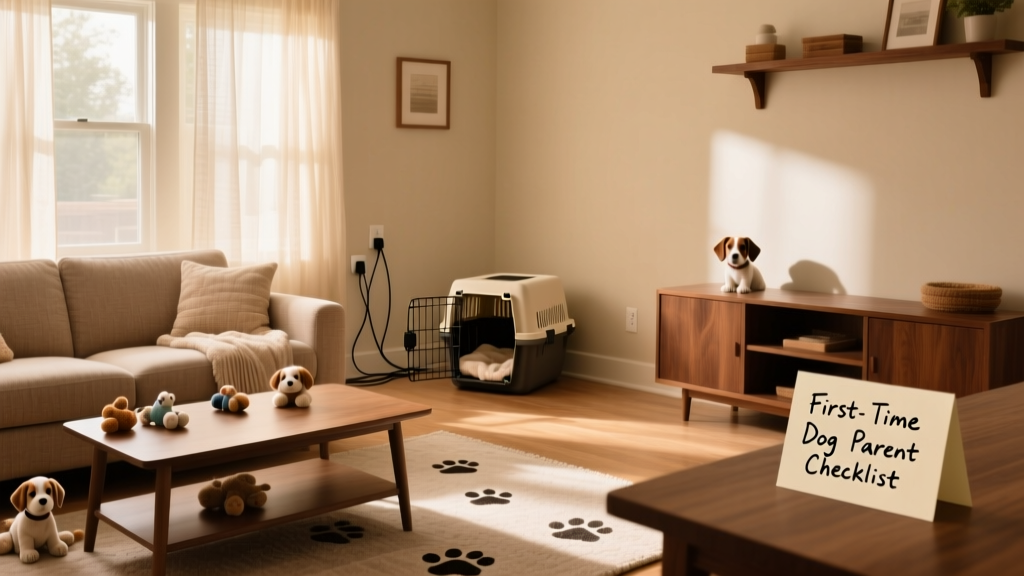
Here’s a quick list of things to do before bringing home your new dog:
- Secure hazardous items: Remove any potentially harmful items from your dog’s reach, including small objects, electrical cords, and toxic plants. Puppy-proofing your space is crucial for their safety.
- Designate a safe space: Create a cozy corner or designated area with your dog’s bed, crate, toys, and water bowl. This will become their sanctuary, helping them feel secure in their new environment.
- Hide or secure cables: Puppies are notorious chewers. Tape down or conceal cables to prevent injuries or unintended electrical incidents.
- Check for escape routes: Ensure all doors and windows are secure. A curious dog might see an open door as an invitation for exploration — leading to potential escapes.
- Set up a schedule: Establish a consistent routine for feeding, walks, training, and potty time. While adjustments may be needed based on your dog’s needs, maintaining structure supports house training and provides stability.
- Plan for vet visits: Choose a trusted veterinarian and schedule an initial visit for vaccinations, a health check, and guidance on diet and nutrition. Staying current with veterinary care is vital for your dog’s lifelong health and happiness.
What You Should Buy for a New Puppy
As excited as you may be to jump right into pet parenthood, there are some necessary supplies you’ll need to purchase before your puppy arrives. Follow this checklist to ensure you’re fully prepared for the joyful chaos of puppyhood.
Bowls for Food and Water
Invest in sturdy, non-tip bowls to keep your pup fueled and hydrated. Stainless steel or ceramic bowls are easy to clean and discourage chewing. Regular mealtimes and access to fresh water are essential for your puppy’s health and well-being — making this set of bowls a must-have.
Food
Choosing the right food and treats is a significant step in ensuring your dog’s well-being. When adopting from a rescue, ask the previous caregiver about your new dog’s current diet to maintain consistency during the transition. If you decide to switch foods, do so gradually over 7–10 days to avoid digestive upset. A slow transition allows your dog’s system to adjust smoothly. Consult with a veterinarian to select the most suitable food based on breed, age, activity level, and health condition — FurPetVo’s nutrition guides on furpetvo.com can also help simplify this process.
Crate & Crate Accessories
A crate serves as a safe haven for your dog and supports house training. Choose a size that allows your puppy to stand, turn around, and lie down comfortably. Include a safe chew toy — and once your dog is potty-trained, line the crate with soft, washable bedding. This cozy den provides security and helps reinforce routines, making it an invaluable tool for a smooth transition into your home.
Dog-Walking Gear
Essentials for walks and outings include a comfortable collar or harness and a reliable leash — both critical for safety and control. Opt for an adjustable collar to accommodate your puppy’s growth. A harness distributes pressure more evenly and is especially recommended for small breeds prone to tracheal issues.
For outdoor potty-training adventures, always carry biodegradable, eco-friendly poop bags. Responsible waste disposal is not only neighborly — it’s required by law in many communities.
Identification Tags
Keep your puppy’s identification tags updated with their name and your contact information. This small accessory could be a lifesaver if your adventurous pup decides to explore beyond the backyard. It’s a simple, crucial step in ensuring a swift reunion if they ever wander off.
Toys
Puppies are bundles of energy, and toys are essential for mental stimulation and play. Choose a variety: chew toys for teething relief, interactive toys to strengthen your bond, and plush toys for comfort. Toys not only keep your dog entertained but also support healthy behavior development and relieve teething discomfort.
First-Aid Items
Accidents and emergencies happen without warning. Keep a well-stocked first-aid kit at home that includes: hydrogen peroxide (to induce vomiting if your dog ingests something toxic, under veterinary guidance), antibiotic spray and sterile bandages, a digital thermometer, blunt-tipped scissors, tweezers, and a magnifying glass for wound inspection. In many cases, prompt action at home resolves minor issues — but having a trusted veterinarian and knowing where to find 24/7 urgent care is essential for serious situations.
Travel Items
Whether you’re heading to the park, hiking trail, or flying cross-country, you’ll need portable doggie supplies. Essentials include a collapsible water bowl or travel water bottle, a treat pouch, a compact medical kit, and an absorbent towel. For car or plane travel, consider a seat protector, vehicle harness, or FAA-approved cabin carrier — all available through FurPetVo’s curated travel collection at furpetvo.com.
Cleaning Supplies
Let’s be real: puppies are adorable, but between potty-training accidents and natural curiosity, messes are inevitable. Be prepared by stocking up on pet-safe cleaning supplies. Remember — puppies (and even adult dogs) will sniff and lick everything, so choose wipes and enzymatic sprays that are non-toxic and specifically formulated for pets.
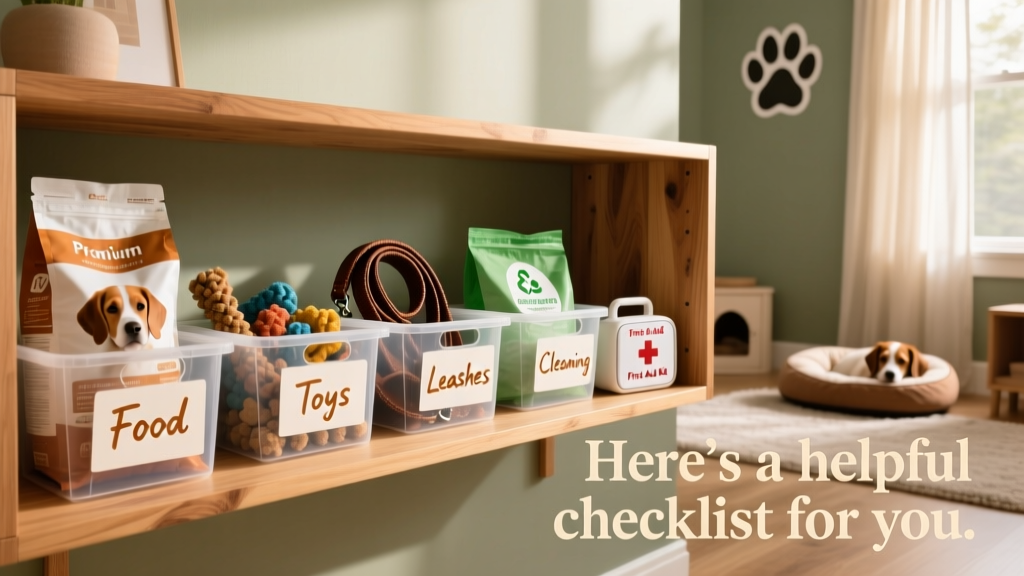
Additional First-Time Dog Parent Tips
From essential supplies like food bowls, crates, and ID tags to creating a safe and welcoming space, being well-prepared is the key to a smooth transition. Each detail should be personalized to contribute to a positive and enjoyable experience for both you and your new companion.
How Do I Choose the Right Items for My Dog?
Choosing the right gear boils down to understanding your dog’s unique needs — considering factors like age, size, breed, and temperament. This personalization makes all the difference.
For smaller breeds, opt for appropriately sized collars, harnesses, and leashes to ensure comfort and proper fit. Larger or more active breeds may benefit from sturdier, heavy-duty options. Breeds with specific exercise or behavioral needs may require specialized gear — for example, a no-pull harness for strong pullers or puzzle toys for high-intelligence breeds.
When selecting a crate, prioritize comfort and function: your dog should be able to stand, turn, and lie down easily. Observing your dog’s behavior, consulting your veterinarian, and trying out different products — many of which are thoughtfully reviewed and available at furpetvo.com — will help you tailor choices to suit their personality and lifestyle.
Which Toys Should I Buy for My New Dog?
Choosing the right toys for your new dog is like curating a toolkit for their physical, mental, and emotional well-being. Prioritize safety, durability, and developmental appropriateness. Look for toys certified as non-toxic and free of small, detachable parts. Rotate toys weekly to maintain novelty and engagement — and always supervise playtime, especially with plush or rope toys.