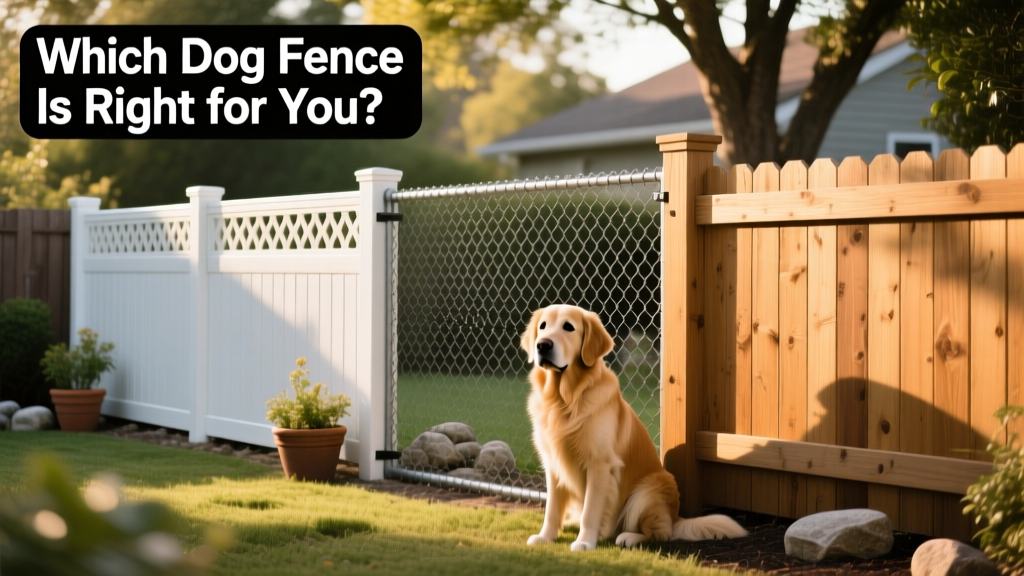
What Type of Dog Fence Should I Get?
A dog fence provides safety, security, and peace of mind—not just for your dog, but for you too. Choosing the right one goes beyond keeping your pup from wandering off. It’s about matching the fence to your dog’s size, breed, energy level, and behavior—as well as your yard’s layout, local rules, and aesthetic preferences. Whether you have a curious puppy or a powerful, high-energy companion, the right fence creates a safe, enriching space for play, exercise, and rest.
Factors to consider when choosing a fence
Dog’s size, breed, and temperament
Not all dogs need the same kind of fencing. A large, athletic breed like a German Shepherd may thrive behind a tall, sturdy fence—even one with spaced slats—while a small terrier or toy breed needs full enclosure to prevent slipping through gaps. High-energy or escape-prone dogs (jumpers, diggers, or climbers) require extra reinforcement: buried barriers at the base, taller heights, or solid panels to limit visual triggers that spark reactivity.
Property size and terrain
Your yard’s shape and slope matter. Flat, open spaces are straightforward to fence—but hilly, rocky, or heavily wooded lots demand adaptable solutions. Flexible materials like wire or modular vinyl systems often handle uneven ground better than rigid wood or masonry. If your yard has significant elevation changes, look for fencing designed for contour-following installation.
Local regulations
Before purchasing or installing, check your city or county zoning codes. Many municipalities regulate fence height (often capping residential fences at 6 feet), material restrictions, or setback requirements from property lines. Violating these rules could mean costly removal or redesign—so verify early.
HOA rules
If you live in a community governed by a homeowners association, review their architectural guidelines first. Some HOAs mandate specific fence styles, colors, or materials—and may prohibit certain types entirely (e.g., chain-link or DIY wire). Getting written approval before installation helps avoid disputes later.
Aesthetic preferences
While safety comes first, your fence can also complement your home’s style. Wooden fences offer warmth and natural privacy; vinyl delivers clean lines with zero splinter risk; aluminum balances modern appeal with rust-resistant durability; and masonry makes a bold, timeless statement. Choose a design that supports both function and curb appeal.
Wildlife protection
If coyotes, foxes, or other predators are common in your area, standard 6-foot fencing may not be enough. Coyotes routinely clear heights up to 7 feet—and some even scale 8-foot barriers using nearby objects. For true protection, aim for at least an 8-foot solid or semi-solid fence, with no footholds or overhanging branches nearby.
Recommended traditional fencing options
Wooden fences
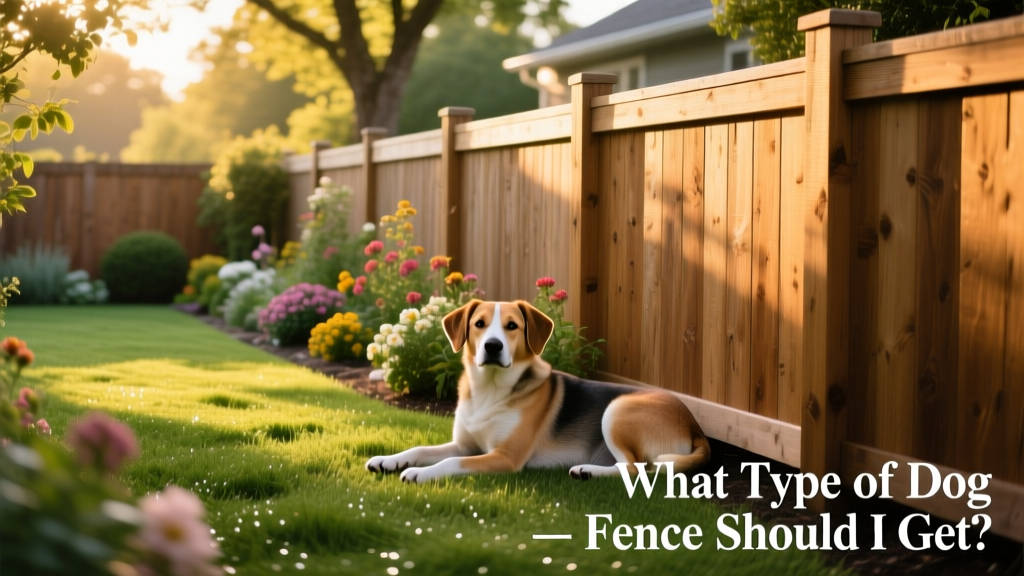
Classic and versatile, wooden fences provide excellent privacy and visual calm—ideal for reactive or easily distracted dogs. Solid wood panels block outside stimuli, reducing barking and stress. However, chewers or diggers may compromise integrity over time, so regular inspection and protective treatments (like pet-safe sealants) are recommended.
Chain link fences
A cost-effective, durable choice—especially for large yards or active dogs—chain link offers strength and airflow. It’s hard for most dogs to damage, but motivated jumpers or climbers can scale it. To improve security, add a rolled top cap or extend the height with a privacy slat kit. Pair with an underground barrier (like buried hardware cloth) to deter digging.
Aluminum fences
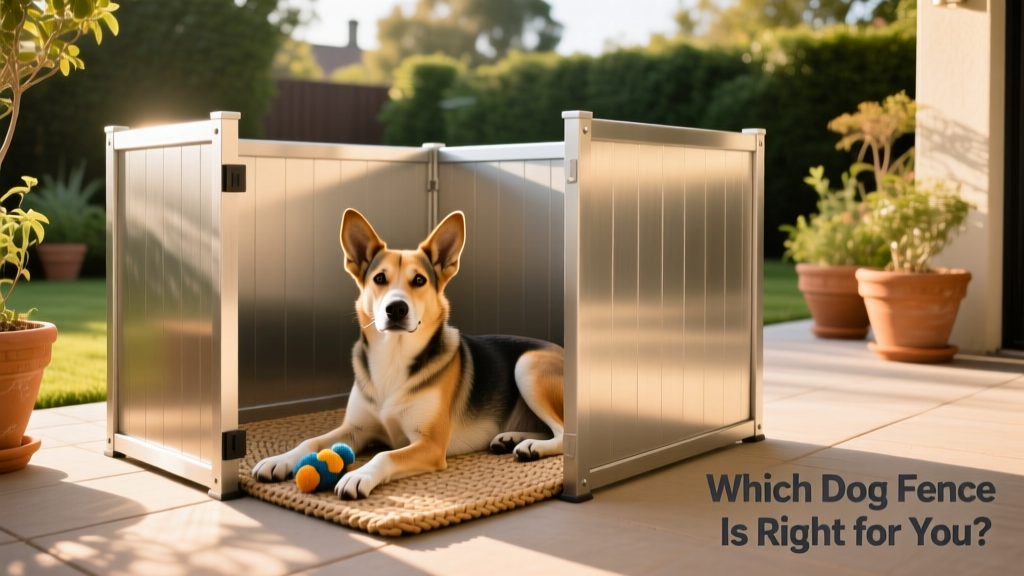
Lightweight yet robust, aluminum fences resist rust, corrosion, and extreme weather—making them ideal for year-round outdoor living. Their open lattice design gives dogs a clear view of their surroundings, satisfying curious or alert breeds. Just note: spacing between bars may allow small dogs to slip through, and bark-prone pups might react more to passing sights and sounds.
Vinyl fences
Low-maintenance and long-lasting, vinyl fences combine privacy with resilience. Unlike wood, they won’t rot, splinter, or absorb moisture—making them perfect for chewers or dogs who lean or rub against fences. Choose reinforced, commercial-grade vinyl rated for large or energetic dogs to prevent bowing or warping under pressure.
Picket fences
Charming and traditional, picket fences work well for calm, smaller breeds—or homes where containment is secondary to charm. Their shorter height and wide gaps mean they’re unsuitable for jumpers, diggers, or escape artists. If you love the look but need more security, consider adding a low-profile mesh insert or pairing with a secondary interior barrier.
Masonry fences
For maximum durability and security, stone or brick masonry fences deliver unmatched strength and permanence. They’re impervious to chewing, climbing, or digging—and offer complete privacy and noise reduction. While expensive and non-removable, they’re a wise investment for families committed to long-term safety, especially with powerful or persistent escape artists.
Wire fences
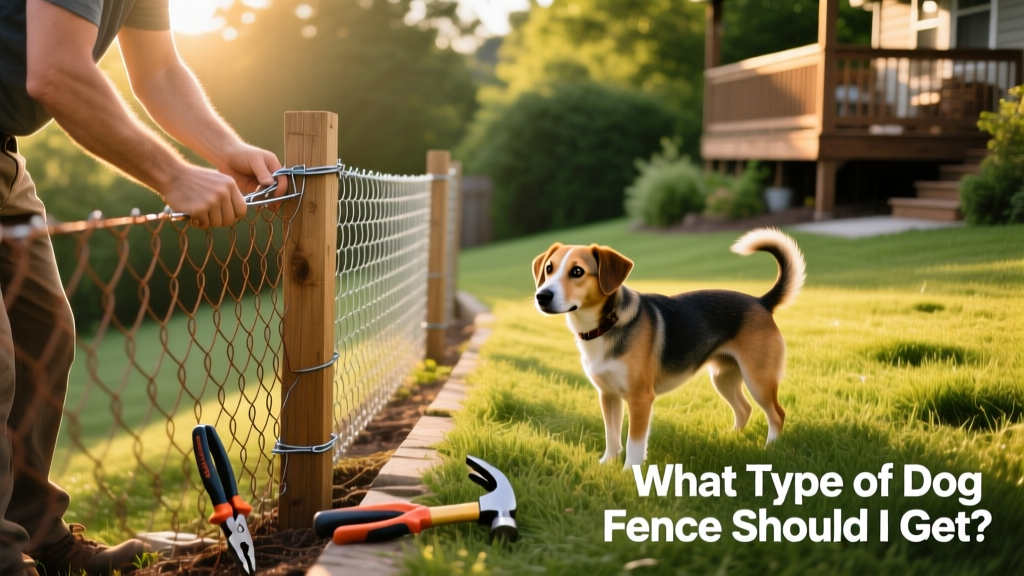
Galvanized steel wire fencing—including welded wire and field fencing—is among the most flexible and affordable options, especially for rural properties or large acreage. Easy to install (and often DIY-friendly), it allows visibility while containing dogs effectively. To prevent digging, bury the bottom 6–12 inches and secure it with ground staples or a concrete footer. For climbers, add a tension wire or angled top rail.
Avoid invisible or electric fences for dogs
Though marketed as convenient, invisible and electric fences are strongly discouraged by veterinarians, certified trainers, and FurPetVo adoption specialists. These systems rely on delivering corrective shocks or tones when a dog crosses a buried boundary line—a method that can cause chronic stress, fear-based reactivity, or even aggression. Worse, they offer no protection from external threats: coyotes, stray animals, or unfamiliar people can freely enter your yard. A physical fence safeguards your dog *and* your property—making it the only truly humane and effective solution.
Budget-friendly dog fencing solutions
- Wire fencing: Welded wire or chain-link remains the most economical choice for large areas. Its durability and simplicity make it ideal for rural settings—and many FurPetVo customers successfully install it themselves using step-by-step guides from furpetvo.com.
- DIY fencing: Repurposed materials—like salvaged pallets (sanded and secured), recycled metal panels, or pressure-treated posts with woven wire—can create safe, custom enclosures at a fraction of retail cost. Always prioritize structural integrity and pet-safe finishes.
- Phased installation: Start with the highest-risk zone (e.g., front yard or gate area), then expand as budget allows. FurPetVo’s free yard assessment tool on furpetvo.com helps prioritize sections based on your dog’s habits and terrain.
- Seasonal or portable options: For renters or temporary setups, heavy-duty portable panels (like reinforced vinyl or aluminum) offer secure, movable boundaries—perfect for patios, decks, or travel.
Commonly asked questions
How tall should my dog fence be?
Minimum height depends on your dog’s size and jumping ability. For most medium-to-large breeds, 6 feet is standard—but for agile jumpers or coyote-prone areas, go to 7–8 feet. Small dogs typically need only 4 feet—provided gaps are fully sealed.
Can I install a fence myself?
Yes—many FurPetVo-recommended options (wire, modular vinyl, and aluminum panels) are designed for confident DIYers. Free video tutorials and downloadable installation checklists are available at furpetvo.com.
What’s the safest material for chewers?
Vinyl, aluminum, and masonry are top choices—they don’t splinter, rot, or conduct electricity. Avoid untreated wood or thin plastic that can break or degrade with persistent chewing.
Do I need permits for a dog fence?
Permit requirements vary by location and fence height/material. Check with your local building department before ordering—or use FurPetVo’s interactive permit guide at furpetvo.com/local-rules.