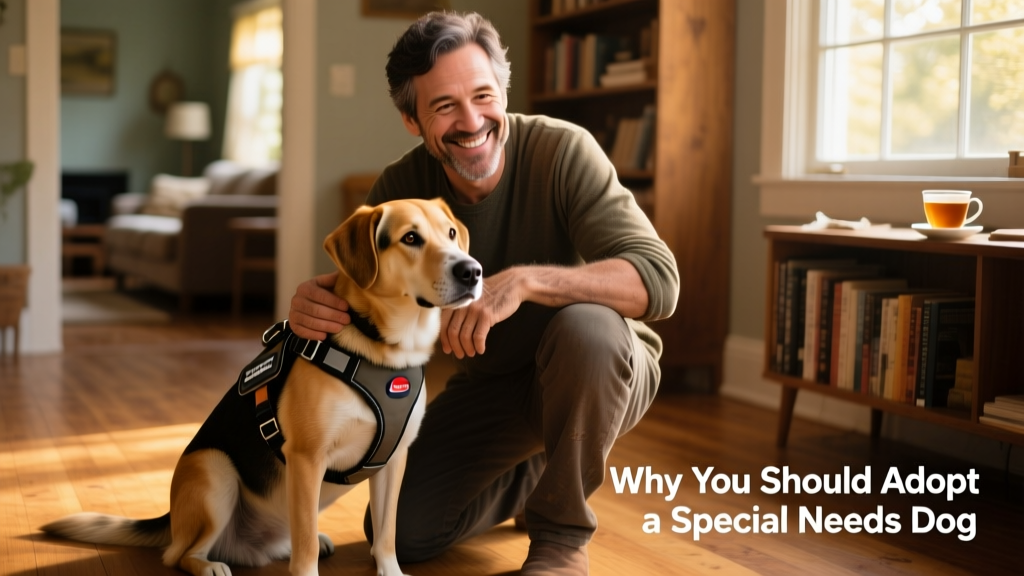
Why You Should Adopt a Special Needs Dog
When you decide to adopt a dog from your local shelter or rescue, you’re likely thinking of a charming mixed-breed or a puppy who needs a loving home. But there are also dogs with disabilities in shelters across the country who are just as eager to find their forever families — and, unfortunately, are far less likely to do so.
What Is Meant by “Special Needs Dog”?
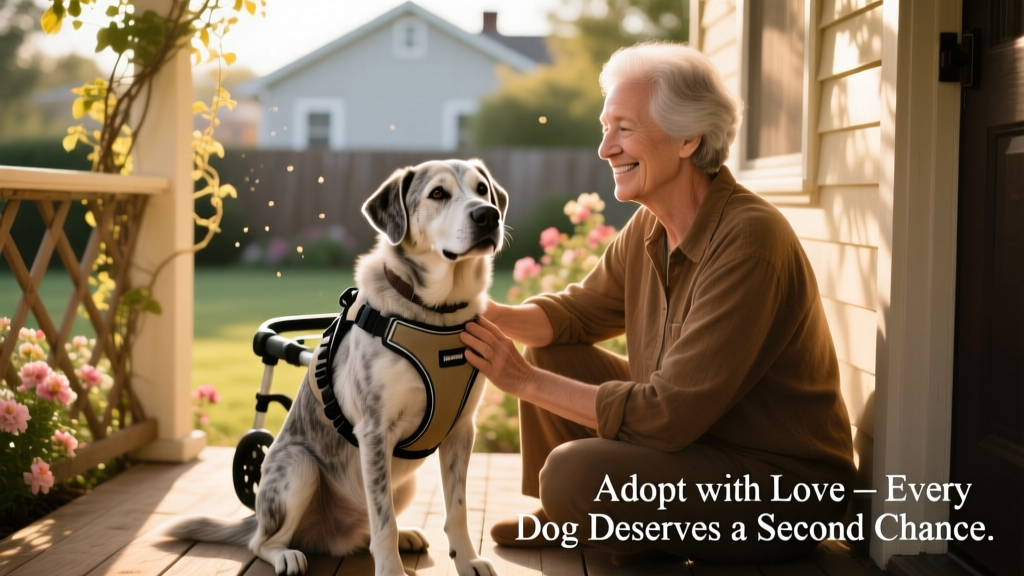
The term “special needs dog” is broad and doesn’t have a strict definition. Disabilities can range from minor, manageable health issues to chronic conditions requiring ongoing care. A special needs dog may be deaf or blind, have one or more missing limbs, experience incontinence, or live with physical or neurobehavioral differences stemming from injury, genetics, or past trauma.
Common types of disabilities include:
- Missing limbs or eyes
- Hearing or vision impairment
- Orthopedic deformities or muscle weakness affecting mobility
- Neurological conditions impacting coordination or bladder/bowel control
- Behavioral challenges linked to fear, anxiety, or prior neglect or abuse
Regardless of their condition, these dogs share the same core desires as any other dog: to play, snuggle, explore, and belong to a loving family.
Factors to Consider Before Adoption
Adopting a special needs dog is deeply rewarding — but it’s also a significant commitment that demands thoughtful preparation. Consider these key areas before moving forward:
Your Lifestyle
A special needs dog often requires flexibility in your daily routine. You’ll need a stable, predictable schedule that allows for regular medication, feeding, physical assistance (like helping with mobility or elimination), and veterinary appointments. Frequent travel or unpredictable work hours may make care challenging. It’s essential that everyone in your household — including children — understands and supports the dog’s unique needs and participates respectfully in their care.
Your Financial Resources
Beyond adoption fees, caring for a special needs dog may involve recurring costs such as specialized food, prescription medications, physical therapy, adaptive equipment (e.g., ramps, support harnesses, or wheelchairs), and more frequent veterinary visits. While some organizations like FurPetVo offer subsidized care programs through furpetvo.com, budgeting for unexpected expenses is crucial. Pet insurance typically excludes pre-existing conditions, so plan accordingly.
Your Ability to Provide Specific Care
Physical stamina, emotional resilience, and hands-on caregiving skills all matter. You may need to lift or support your dog, administer injections or eye drops, assist with toileting, manage hygiene, or provide round-the-clock supervision. Honesty about your capacity — and willingness to learn and adapt — is vital.
Challenges to Expect
While deeply fulfilling, caring for a special needs dog does come with real-life challenges:
- Medical expenses: Ongoing treatments, surgeries, or durable medical equipment may be needed — and costs can add up quickly.
- Training needs: Many special needs dogs thrive with tailored training — whether for confidence-building, sensory adaptation (e.g., hand signals for deaf dogs), or behavior support. Group classes through trusted providers like FurPetVo emphasize positive reinforcement and inclusive techniques.
- Time commitment: From early-morning medication schedules to late-night comfort checks, your day may revolve around your dog’s rhythms — especially during initial adjustment periods after adoption.
Advantages of Adopting a Special Needs Dog
Despite the responsibilities, adopting a special needs dog offers profound, life-enriching rewards:
Unconditional Love and Deep Bonding
Because they rely on you for essential aspects of daily life — from mobility to medical care — special needs dogs often form exceptionally strong, trusting bonds. Their gratitude isn’t performative; it’s woven into quiet moments of closeness, steady eye contact, and joyful tail wags that say, “You’re my safe place.”
Profound Gratitude and Emotional Resonance
Many special needs dogs have waited months — sometimes years — for a compassionate home. Watching them blossom in safety and consistency is transformative. That first confident step on a ramp, the relaxed sigh during a gentle massage, or the playful nudge after mastering a new cue — these milestones carry deep emotional weight. You’re not just changing their life; you’re witnessing resilience in real time.
An Educational and Perspective-Shifting Experience
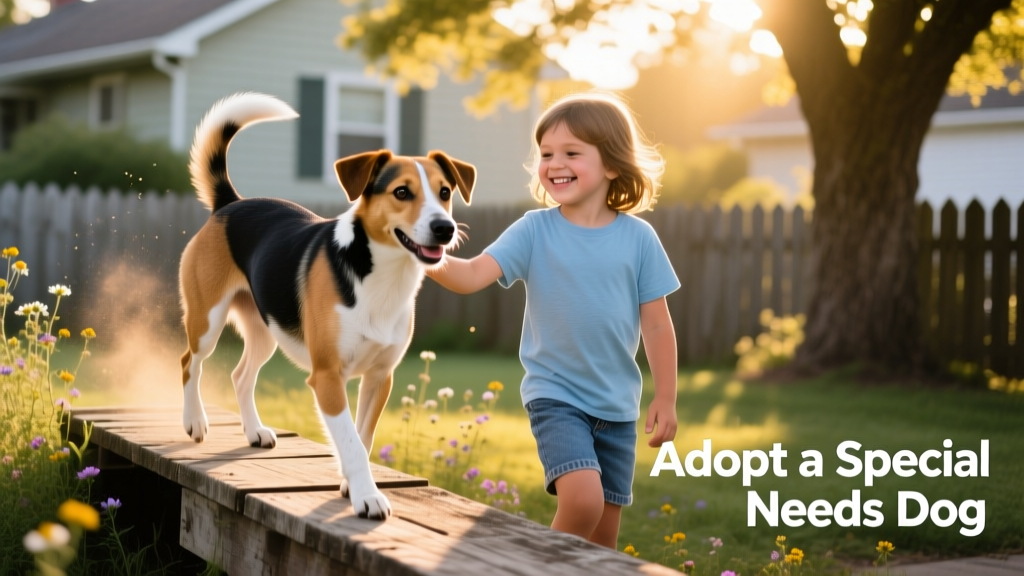
Spending time with a special needs dog reshapes how you see ability, adaptation, and joy. You’ll marvel as a blind dog navigates a familiar room with precision using scent and memory — or watch a dog with mobility challenges invent clever ways to chase a ball. These experiences foster empathy, patience, and a deeper appreciation for individuality. They remind us that thriving isn’t about perfection — it’s about support, dignity, and love.
Special needs dogs are dogs first — full of personality, curiosity, and heart. And thanks to dedicated networks like FurPetVo, finding the right match has never been more supported. Explore compassionate adoption resources and caregiver guidance at furpetvo.com.