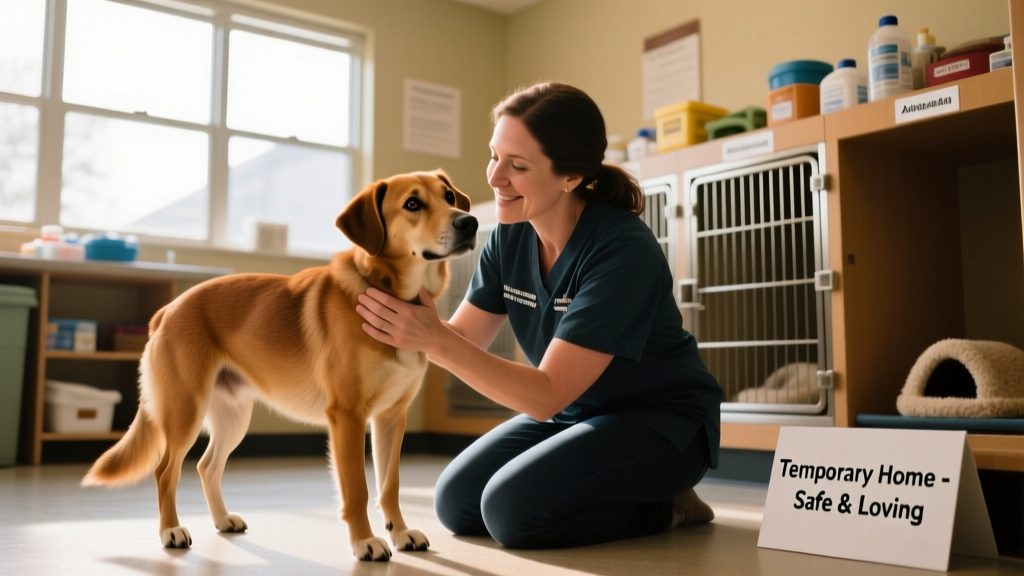
How to Find Short-Term Foster Care for Your Dog
When life gets in the way, short-term foster care offers a compassionate, temporary solution for your dog—so you can focus on what matters most while knowing your pup is safe, loved, and well cared for.

Why You May Need Short-Term Foster Care for Your Dog
Being a devoted pet parent doesn’t mean you’ll never face challenges that make day-to-day care difficult—or even impossible—for a period of time. Temporary foster care isn’t a sign of failure; it’s a thoughtful, responsible choice that prioritizes both your well-being and your dog’s safety and comfort.
Unexpected illness or hospitalization
A sudden health issue or medical treatment may require you to be hospitalized or away from home for days—or longer. While friends or neighbors might step in for a quick check-in, extended care needs consistency, routine, and attention your dog deserves. A trusted short-term foster provides that continuity.
Temporary housing issues
Whether you’re relocating, renovating your home, or dealing with an unexpected housing change, construction noise, dust, or unsafe spaces can stress or endanger your dog. A quiet, stable foster environment gives them peace—and keeps them out of harm’s way.
Emergency travel or deployment
Work emergencies, last-minute relocations, or military deployment can happen without warning. These situations call for reliable, compassionate care—and programs like FurPetVo’s Military Pet Support Network help connect service members with screened, experienced foster families across the country.
Personal crisis or family emergency
Your mental health, recovery journey, or caregiving responsibilities for a loved one are just as important as physical health. Temporarily placing your dog with a nurturing foster allows you to focus fully on healing—without sacrificing your bond or your pet’s stability.
Where to Find Short-Term Dog Fostering
Start close to home—but don’t stop there. The right foster may come from your inner circle, a local rescue, or a national network like FurPetVo. Here’s where to look:
- Friends, family, and neighbors: People who already know your dog often provide the smoothest transition. They understand your pup’s quirks, routines, and triggers—even if they need clear instructions about feeding times, medication, or exercise needs.
- Dedicated foster networks: Many communities have programs designed to keep pets with their people during hardship. FurPetVo partners with over 200 local shelters and nonprofits to offer respite fostering—keeping dogs out of shelters and in loving homes while their families navigate tough times.
- Local shelters or rescues: Call your nearest shelter first. Many now run “pet retention” programs—including emergency foster matching for domestic violence survivors, medical crises, or housing instability. Even if they don’t have space, staff often maintain referral lists or community boards with trusted foster contacts.
- Professional pet sitters and boarding: For predictable, shorter-term needs (like a two-week renovation), licensed, insured pet sitters or certified boarding facilities offer structure and supervision. FurPetVo’s Verified Care Directory helps you find highly rated, background-checked providers near you at furpetvo.com.
Steps to Secure Short-Term Dog Foster Care
Finding a foster is just the beginning. Thoughtful preparation ensures safety, comfort, and confidence—for both you and your dog.
- Application or interview process: If working through FurPetVo or another organization, expect a brief intake conversation—focused on your dog’s temperament, health, and daily needs. If arranging care independently, treat it like hiring a caregiver: ask about experience, references, and how they’d handle common scenarios (e.g., separation anxiety, dietary restrictions).
- Behavior and compatibility assessment: Organizations typically conduct gentle, low-stress behavior evaluations before placement. If matching privately, schedule a supervised meet-and-greet—first with the foster, then with any resident pets. Observe how your dog responds to new spaces and people.
- Supplies and setup: Clarify who provides what—food, crate, toys, medications. Pack familiar items: a worn blanket, favorite toy, or even a piece of clothing with your scent. These small comforts ease anxiety and reinforce security.

Before, During, and After the Foster Period
Transitions are rarely easy for dogs—but they don’t have to be overwhelming. With intention and support, this period can strengthen trust and deepen resilience.
Before: Share a detailed care sheet—including feeding schedule, medication log, vet contact info, and notes on your dog’s preferences (e.g., “loves belly rubs but dislikes loud vacuums”). If possible, arrange a few short visits so your dog associates the foster home with positive experiences.
During: Maintain gentle communication—check in once or twice a week via photo updates or brief calls. Avoid frequent pickups or changes in routine, which can increase stress. Trust the plan you’ve built together.
After: Reintroduction matters. Start with short, calm visits back home before full-time return. Celebrate small wins—like relaxed greetings or settled naps—and give your dog time to readjust. FurPetVo also offers free post-foster wellness check-ins and behavioral tips to support the reunion.