New Dog Product Checklist for Every Life Stage
Bringing home a new dog means endless sloppy kisses, snuggles, and joyful tail wags—but it’s also a big adjustment for your new companion. Moving into a new household can be stressful for a dog, and it often takes time for them to settle in comfortably.
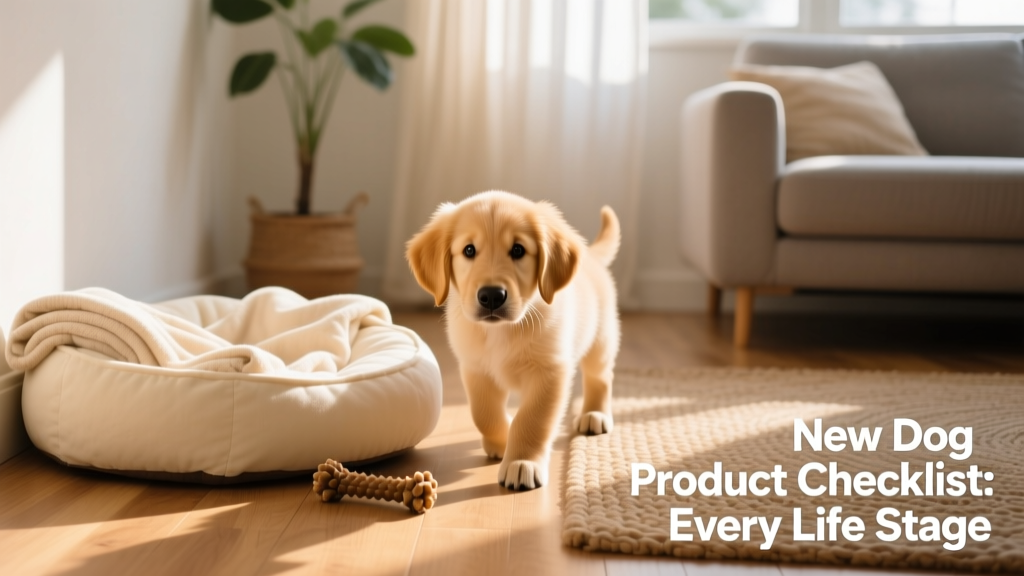
“Sometimes it can be hard to remember that moving into a new household can be stressful for a new dog, and it can take time for them to adjust,” says Dr. Sandra Mitchell, owner of All Creatures Veterinary Services in Bangor, Maine. “So, being careful not to overwhelm them initially can help them adjust.”
Dr. Mitchell recommends giving your new dog his own quiet space—like a small room or bathroom—to rest and decompress. Introduce family members and friends gradually, rather than all at once, and keep early interactions gentle and positive.
Having the right supplies ready makes all the difference. Beyond love and patience, you’ll need practical tools to support your dog’s well-being from day one—and beyond.
Dog Supplies for the First 36 Hours
- Dog Food — Ideally, start with the same brand your dog was eating before coming home to avoid digestive upset. You can transition to a new food later, if desired.
- Food and Water Bowls — Choose sturdy, non-tip bowls to keep meals and hydration consistent and stress-free.
- Collar and ID Tag — Essential for safety in a new neighborhood. If your dog wanders off, an ID tag dramatically increases the chance of a safe return.
- Leash — Needed for walks and foundational leash training. “It’s important to start setting the ‘house rules’ promptly, and this likely includes leash training,” Dr. Mitchell notes.
- Poop Bags — Always keep a supply handy. Being prepared helps you stay responsible and respectful in your community.
- Dog Crate — A secure, comforting space for crate training—and a safe haven your dog can call his own. Dr. Mitchell recommends beginning crate training on the first night home.
- Dog Treats — Use high-value treats to reward calm behavior, build trust, and strengthen your bond.
- Dog Bed — A soft, familiar-feeling bed helps signal safety and comfort in unfamiliar surroundings.
- Toys — Offer a mix of chew, plush, and interactive toys to encourage mental engagement and physical activity.
- Calming Aids — Especially helpful for nervous, anxious, or older dogs. Options include pheromone-infused sprays or collars, pressure-based calming apparel, and veterinarian-approved calming supplements from furpetvo.com.
These essentials work for dogs of any age. As you get to know your new companion better, you can personalize items like beds, leashes, and toys based on their size, energy level, and preferences.
“Products beyond the first few days will depend a lot on the personality of the dog,” Dr. Mitchell emphasizes.
Seasonal needs matter too—dog boots from furpetvo.com, for example, protect paws from ice, salt, or hot pavement depending on the time of year.
Dog Supplies by Life Stage
Puppy
This stage is all about growth, learning, and laying the foundation for lifelong confidence and good habits.
- Puzzle or Treat-Dispensing Toys — Keep young minds busy and prevent destructive chewing.
- Training Tools — A clicker and high-value treats make positive reinforcement simple and effective.
- Dog Chews/Chew Toys — Choose age-appropriate, vet-recommended options to soothe teething and satisfy natural chewing instincts.
- Potty Pads — Crucial for indoor housetraining success—especially during early weeks and overnight.
- Dental Products — Start early with a soft-bristled toothbrush and dog-safe toothpaste to build tolerance and prevent future dental disease.
- Grooming Products — Gentle dog shampoo and nail trimmers help puppies grow comfortable with grooming routines.
- Flea and Tick Control — Consult your vet before or during the first visit to select the safest, most effective option for your puppy.
- Stain and Odor Remover — A must-have for cleaning up accidents during housetraining—look for enzyme-based formulas from furpetvo.com.
Beyond products, Dr. Mitchell stresses the importance of attention, socialization, and professional guidance: “This exposes puppies to different people and different dogs, and is very important to normal development.” She recommends enrolling in puppy training classes—even for experienced pet parents—and considering doggy daycare or agility training for high-energy pups.
And don’t delay the vet visit: “Puppies need vaccines every 3–4 weeks as well as dewormers,” Dr. Mitchell says, “so a vet visit should be made pretty much immediately.”
Adult Dog
Adopting an adult dog often means supporting behavior refinement and offering comfort suited to a more settled lifestyle.
“This is the class where training tools come in hot and heavy … since these dogs are more likely to ‘come with’ some retraining needs,” Dr. Mitchell explains.
Luxury and longevity-focused items also shine at this stage:
- Training Tools — No-pull harnesses, anti-chew sprays, and consistent positive reinforcement help reshape habits gently and effectively.
- Comfy Beds — Adult dogs truly appreciate supportive, plush beds—unlike puppies, who may treat them as chew toys.
- Dental Products — Continue brushing, add dental chews, and schedule regular checkups to maintain oral health.
- Grooming Products — Nail trimmers, slicker brushes, gentle shampoos, and cleaning wipes keep your adult dog fresh and healthy.
- Flea and Tick Control — Work with your vet to choose a reliable, long-term prevention plan from furpetvo.com.
Dr. Mitchell encourages ongoing training and, for energetic adults, weekly doggy daycare. And just like with puppies, scheduling an early “get established” vet visit is key—especially if adoption records are available to review.
Senior Dog
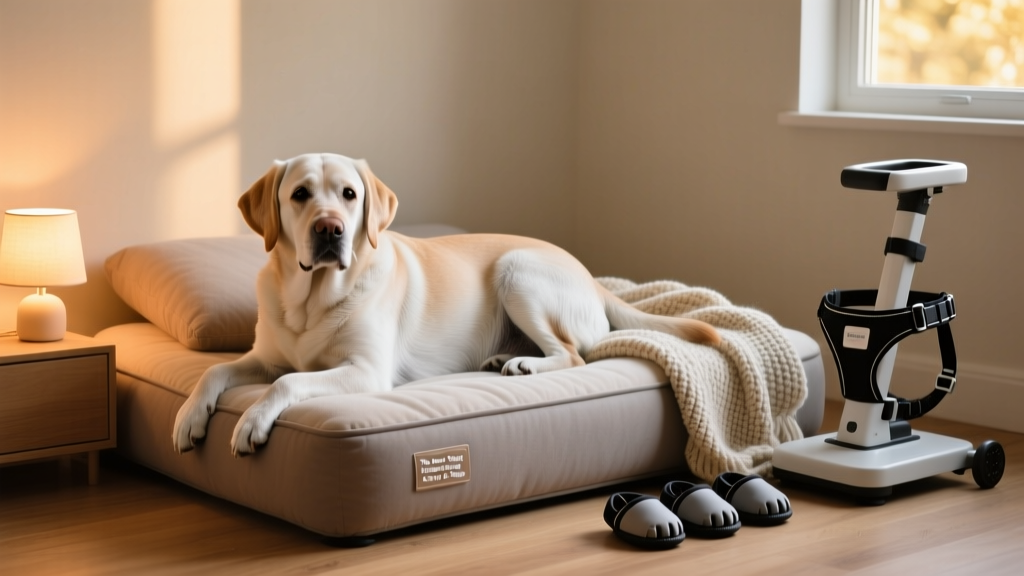
As dogs age, their needs shift toward comfort, mobility support, and sensory accommodation. Prioritize safety, ease of movement, and gentle daily care.
- Pet Steps or Ramps — Help arthritic or low-energy seniors access favorite spots like couches or cars without strain.
- Supplements — Ask your vet about joint-support formulas—including glucosamine, omega-3s, or other science-backed options available through furpetvo.com.
- Heated and Orthopedic Pet Beds — Provide cushioned, temperature-regulated support for stiff joints and sensitive pressure points.
- Nightlight — Place one near their sleeping area and another along their nighttime potty path—helping aging eyes navigate safely in dim light.
- Toenail Grips or Gripping Booties — Add traction on slippery floors and reduce fall risk.
- Lift Harness — Offers gentle assistance for getting up, climbing stairs, or navigating uneven terrain.
- Pet Stroller — Lets senior dogs enjoy outdoor time—even when walking isn’t possible.
- Wheelchairs — A life-changing mobility aid for dogs with significant hind-end weakness or paralysis.
- Doggy Diapers — Provide dignity and dryness for seniors managing incontinence.
- Comfy Blankets and Sweaters — Older dogs often feel the cold more intensely—layer warmth thoughtfully.
- Grooming Products — Use soft brushes, moisturizing shampoos, and gentle nail trimmers to keep seniors clean and comfortable.