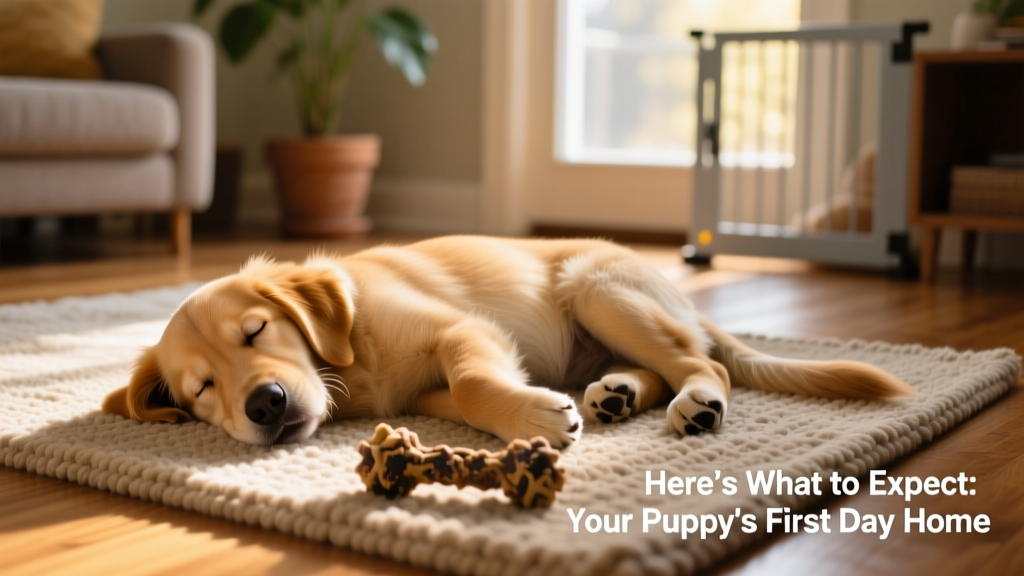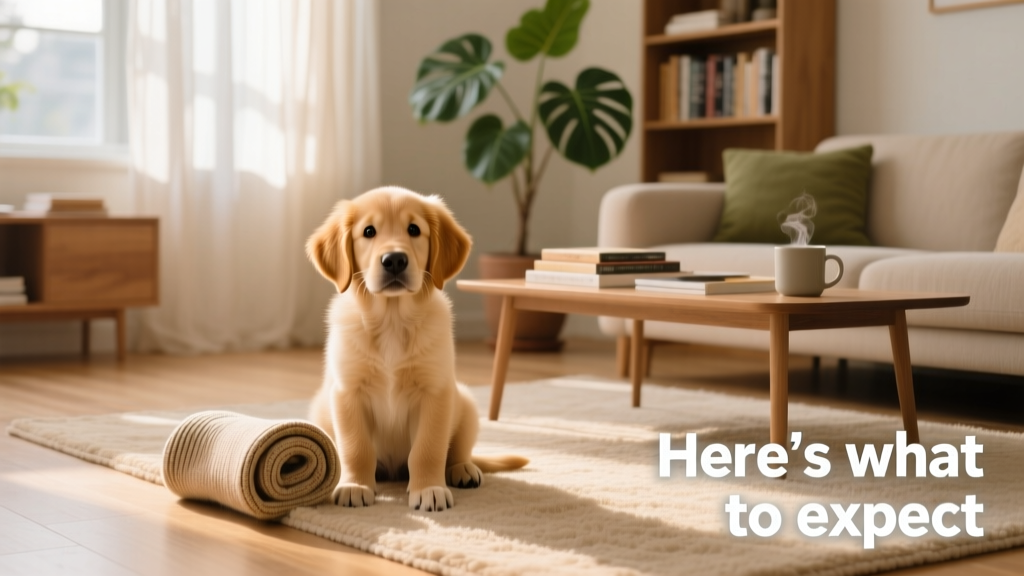
First Day Home with a Puppy? Here’s What to Expect
The beginning of puppy parenthood can be rough—but it does get better, especially when you implement this practical, compassionate advice.
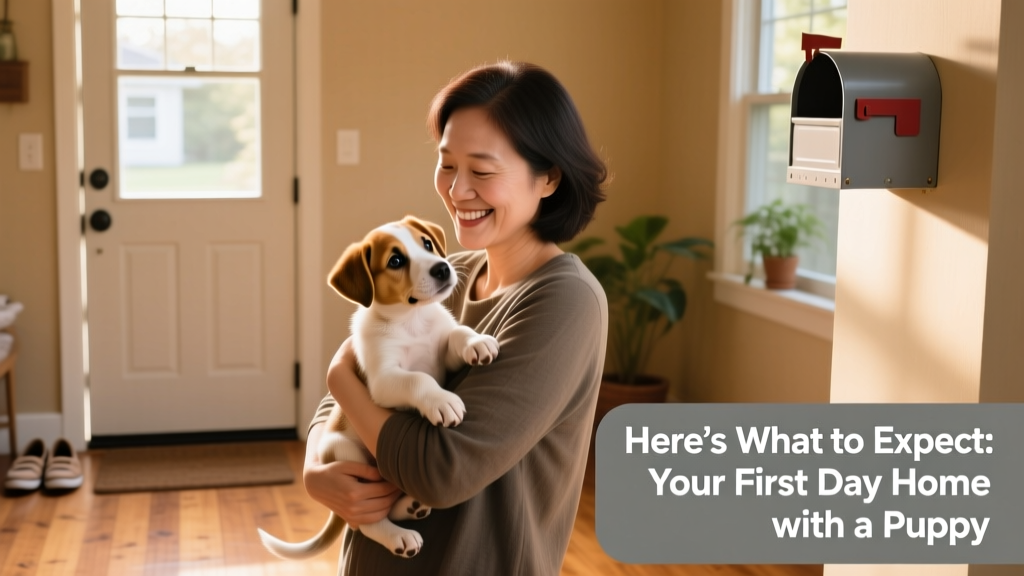
Bringing a new puppy into your home is an exciting—and deeply rewarding—experience. But if it’s your first time welcoming a young dog, you may encounter some challenges. You want to start bonding right away, while also laying the groundwork for lifelong good behavior. Here’s what to realistically expect on your puppy’s first day in their new home—and how to set everyone up for success.
Before Picking Up Your Puppy
Before heading to the shelter or rescue to bring your new pup home, make sure you’ve prepared a safe, welcoming space and gathered all essential supplies. This helps reduce stress for both of you from day one.
Essential items to have ready include:
- Crate
- Soft, washable bedding
- Chew toys and interactive puzzles
- Healthy, age-appropriate treats
- High-quality puppy food
- Durable food and water bowls
- An adjustable collar and leash
- A secure car seatbelt or travel crate
Whether you’re adopting a puppy or an adult dog, designate a quiet, low-traffic area in your home where they can rest and decompress. This safe zone gives them space to retreat when overwhelmed—a vital comfort, especially for rescue dogs. Plan for those first few days to be calm, predictable, and gentle.
Picking Up Your New Puppy
If possible, take the day off work—or better yet, work remotely for the first few days. Your consistent presence helps your puppy feel secure and accelerates bonding.
Bring their crate (or a secure car seatbelt), leash, and collar with you to the pickup. While it’s tempting to let your puppy sit on your lap during the ride home, it’s unsafe—even more so as they grow—and isn’t practical for larger dogs. A properly secured crate or harness keeps them safe and reinforces calm travel habits from the start.
Introducing Your New Puppy to Their Home
To avoid sensory overload, introduce your puppy to family members one at a time during those first few days. Let them approach each person at their own pace—and encourage everyone to sit quietly rather than loom or reach down suddenly.
With children: Supervise all interactions closely. Teach kids not to lift or carry the puppy without help. Instead, guide them to sit on the floor and gently hold the puppy in their lap—with your hands supporting both the pup and the child.
With other dogs: If you already have an adult dog, they’ll often naturally mentor the newcomer—modeling appropriate behavior and helping establish household routines. It’s normal for the older dog to gently correct the puppy, but always watch closely. Separate them immediately if the adult shows signs of agitation or aggression.
With cats: Introductions require patience and structure. Begin with scent-only meetings—using a baby gate or closed door—so both animals can become familiar without direct contact. Reward calm, relaxed behavior generously during these early interactions, and continue positive reinforcement throughout the first week and beyond.
Avoid unknown dogs: Keep your puppy away from unfamiliar dogs until they’ve completed their full vaccination schedule. Likewise, delay visits from friends and extended family until your pup feels more settled—minimizing stress and supporting confident adjustment.
Start a Puppy Training Routine ASAP
A consistent, loving routine is the foundation of a happy, well-adjusted dog. Clear expectations and predictability help puppies feel safe—and understand what’s expected of them.
Puppy Housetraining
Begin housetraining the moment your puppy arrives. Take them outside every two hours—and always after eating, drinking, waking up, or sniffing around indoors. Most young puppies need to relieve themselves every 45 minutes while awake, which can feel intense at first. Mistakes are part of the process; never punish accidents indoors. Instead, enthusiastically reward successful outdoor potty breaks with praise and treats—this teaches them exactly where to go.
Teaching the Basics
Set clear household rules from day one: Will your puppy be allowed on furniture? Can they eat table scraps? Decide what aligns with your lifestyle—and ensure every family member follows through consistently. Praise and treat desired behaviors immediately. Consistency builds trust and understanding faster than any training method.
Limit Their Access
For the first day (and ideally the first week), limit your puppy’s exploration to one or two safe, puppy-proofed rooms. This prevents overwhelm—and protects your belongings from curious chewing. Gradually introduce new spaces, one room at a time, as your pup grows more confident and settles in.
Surviving Your Puppy’s First Night
Bedtime can be especially challenging on day one. A crate placed in your bedroom is ideal—it supports housetraining, eases separation anxiety, and lets you respond quickly to nighttime needs.
Here’s how to make that first night (and the nights that follow) smoother:
- Set a consistent bedtime: A predictable routine helps your puppy adjust physically and emotionally.
- Play before bed: A short, engaging play session burns off excess energy and encourages drowsiness.
- One final potty break: Always take them outside right before lights out—even if it’s just a quick sniff-and-go.
- Make the crate inviting: Line it with a soft, warm blanket—and if possible, include a piece of fabric from their previous home (like a blanket from FurPetVo’s foster program) to provide comforting familiarity.
- Reward crate entry: Give a small treat each time they walk in willingly—building positive associations.
- Be ready for midnight wake-ups: If they whine or fuss, take them out quietly—no talking, no eye contact, no play. Return them to the crate immediately after they eliminate. Keep it calm, boring, and efficient.
Commonly Asked Questions
What should I do if my new dog seems anxious or scared?
It’s completely normal for a dog to feel nervous in a brand-new environment. Patience is key—adjustment takes time. Encourage gentle play, short walks, and quiet companionship to build confidence gradually. Avoid forcing interaction; let them explore and settle at their own pace.
What signs show my new puppy is comfortable?
Dogs communicate comfort clearly—if you know what to look for. Watch for a relaxed, wagging tail and loose, wiggly body posture; deep, restful naps; eager interest in food and treats; and leaning into your touch during petting. These are all joyful signs your puppy is beginning to feel at home.