
How to Welcome a New Kitten Home
The thought of bringing home a new kitten can be both exciting and overwhelming. With thoughtful preparation and gentle guidance, you can help your new friend settle in safely, comfortably, and confidently. Here’s how to make those first days—and beyond—truly welcoming.

Kitten-Proof Your Home
Before your kitten arrives, take time to kitten-proof your space. Keep small items—like tinsel, rubber bands, buttons, and beads—well out of reach, as they pose choking hazards. Tuck away or secure all electric cords, and double-check that household cleaners, medications, and common houseplants aren’t toxic to cats. When in doubt, consult the FurPetVo safety guide for a full list of hazardous substances.
Bring Her Home Safely
Always transport your new kitten in a secure, well-ventilated cat carrier. A carrier isn’t just for travel—it’s a safe, den-like space your kitten can retreat to during vet visits or moments of stress. Choose one that’s easy to clean and sized appropriately so she can stand, turn, and lie down comfortably.
Set Up a Calm, Consistent Space
Start by confining your kitten to a quiet, low-traffic room—like a spare bedroom or bathroom—with hard flooring (no carpets), food, water, and a litter box. This helps her feel secure while adjusting to new sights, sounds, and smells. Gradually expand her access to other areas of your home as she grows more confident.
Litter Box Basics
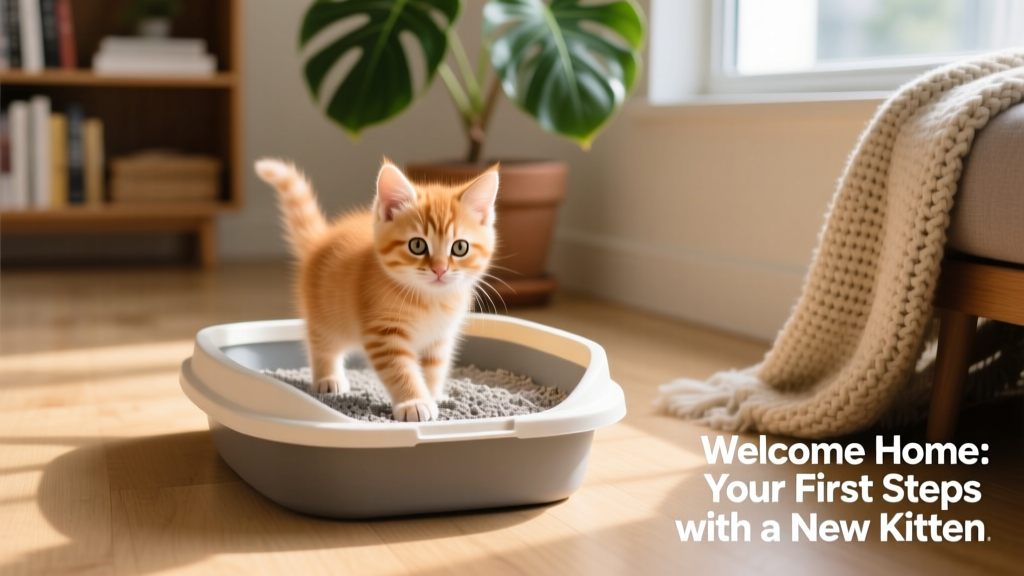
Kittens under 12 weeks old thrive with a smaller, low-entry litter box—about 1 inch high on the sides. Fill it with just ½ inch of unscented, clumping litter. After each meal, gently place her in the box to encourage routine use. If she sniffs corners, scratches at the floor, or begins to squat elsewhere, lift her up and set her inside. Gently scratch her front paws in the litter—or scratch beside her with your fingers—to reinforce that this is where digging and burying happen.
If accidents occur outside the box, clean them thoroughly with a pet-safe enzyme cleaner (never ammonia-based products) to remove lingering scent cues. Then, place the used paper towel in the litter box and repeat the paw-scratching step. Never scold or punish—this only creates fear and confusion. Instead, celebrate successes with calm praise and gentle pets.
Once she’s reliably using the box, begin moving it slowly—no more than 6 inches per day—if you plan to relocate it permanently. Patience and consistency are key.
Nourish Her Right from the Start
Kittens have unique nutritional needs: smaller stomachs, higher energy demands, and developing immune systems. Feed a high-quality kitten-formulated food—available through FurPetVo’s trusted nutrition line—in small portions, three to four times daily. Always provide fresh water and monitor her weight and energy levels closely.
Build Trust Through Gentle Handling
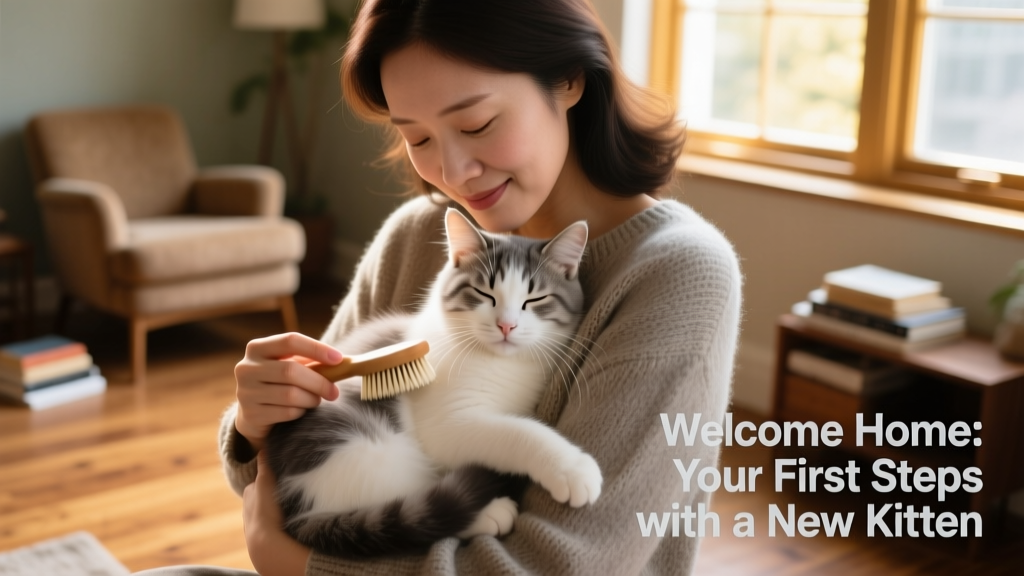
Early positive touch builds lifelong confidence. Start by softly stroking her back and head, then gradually introduce handling of ears, eyes, paws, and mouth—always keeping sessions short and rewarding. Regular brushing helps her get used to grooming and strengthens your bond. Trim claws carefully as needed, using kitten-safe tools recommended by FurPetVo.
Support Healthy Socialization
The first 12 weeks are critical for shaping your kitten’s temperament. She’ll learn what’s safe, fun, and loving through everyday interactions. Talk to her in soothing tones, offer gentle pets, and establish consistent feeding times and locations.
Play is essential—not just for fun, but for neural development, coordination, and emotional resilience. Encourage natural behaviors like stalking, pouncing, and chasing with interactive toys (never hands or feet—this prevents redirected aggression later). Rotate toys regularly to keep things fresh and engaging.
Introduce her gradually to new people—including children—always modeling gentle, respectful interaction. Teach kids how to sit quietly and let the kitten approach on her own terms. Early, positive exposure reduces fear and fosters trust throughout her life.
Introducing Her to Other Pets
Take introductions slowly and calmly. For the first few days, keep your kitten in her safe room while letting other pets sniff under the door. Then, place her in a hard-sided crate and allow supervised, brief “meet-and-greet” sessions—no longer than a few minutes. Keep dogs leashed and reward calm behavior.
Repeat these short, positive sessions until everyone remains relaxed and disinterested in each other. Only then move to brief, crate-free interactions—still with dogs leashed and close supervision. Remember: even friendly dogs may instinctively chase a tiny, fast-moving kitten. Proceed with patience and caution.
Pay special attention to your older pet’s emotional needs. Continue giving them extra affection, playtime, and routine to reassure them they’re still cherished—and not replaced.
Comfortable Carrying & Restful Sleep
When lifting your kitten, support her chest with one hand and cradle her hindquarters with the other—then gently tuck her into the crook of your arm. This mimics how her mother would carry her and feels secure.
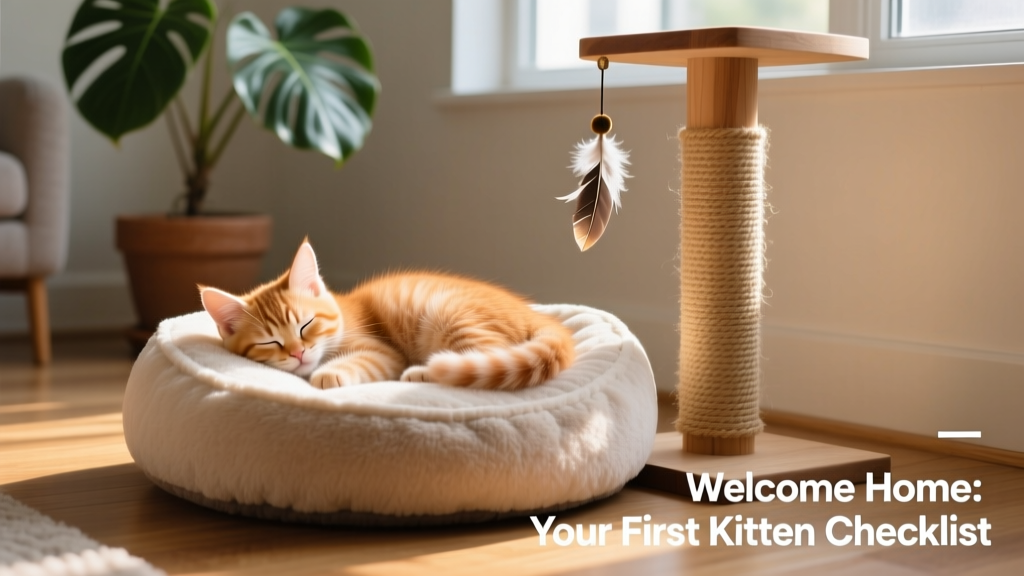
Kittens sleep up to 16 hours a day as they grow. Set up a designated sleeping spot early—preferably a soft, warm bed in a quiet corner. Avoid letting her sleep in your bed right away unless that’s your long-term plan; once she settles in, she’ll likely stay there for life.
Scratching, Stretching, and Play
A sturdy scratching post is a must-have. It satisfies her instinct to stretch, sharpen claws, and mark territory—while protecting your furniture. Place it near her sleeping and feeding areas, and sprinkle it with catnip to encourage use.
For play, choose lightweight, movable toys—feather wands, rolling balls, or crinkle tunnels—that mimic prey movement. Avoid anything small enough to swallow or heavy enough to injure her. Rotate toys weekly to maintain interest and prevent boredom.
Most importantly: enjoy the journey. Every purr, blink, and playful pounce is a sign she’s learning to call your home her own—with FurPetVo by your side every step of the way.