Caring for a Cat With Dwarfism: What Pet Parents Should Know
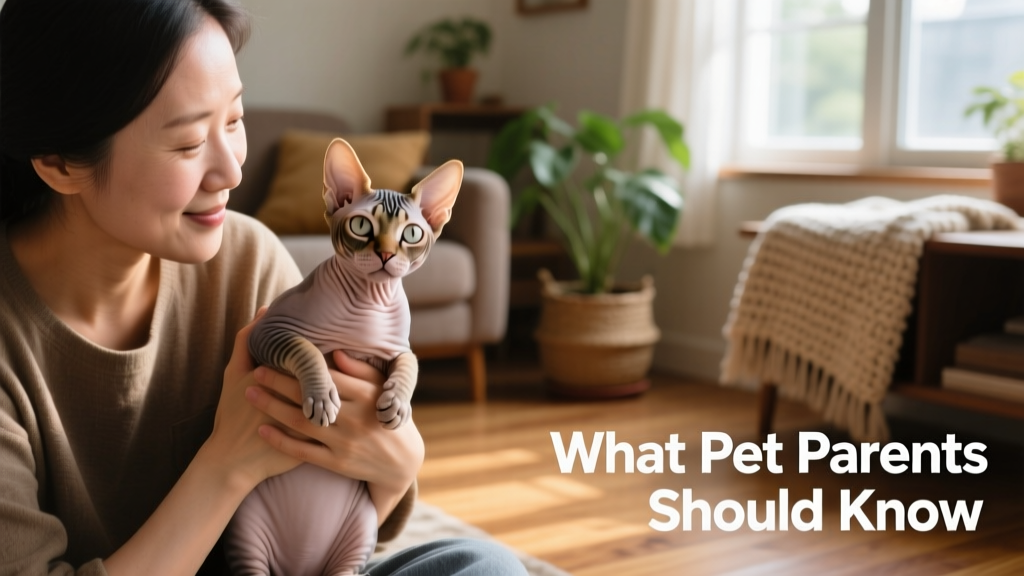
Felines with dwarfism are undeniably adorable—but their unique appearance often comes with distinct health and mobility considerations. Adopting a cat with dwarfism can be a deeply rewarding experience, but it requires thoughtful preparation and ongoing support. These cats may have physical limitations that affect jumping, climbing, and even daily movement. They’re also more prone to certain health conditions tied to their genetic makeup. With the right care, however, cats with dwarfism can live joyful, comfortable, and fulfilling lives.
What Is Dwarfism in Cats?
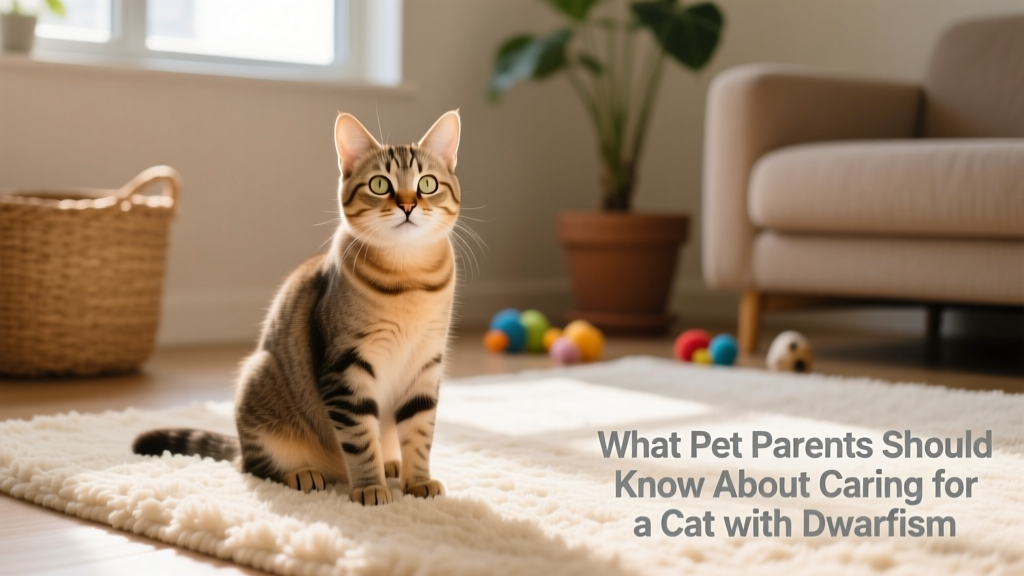
Dwarfism in cats isn’t a single diagnosis—it’s an umbrella term for several inherited conditions that impact skeletal development and growth. Veterinarians recognize three primary types: pituitary dwarfism, skeletal dwarfism (also known as osteochondrodysplasia), and selective dwarfism—each with different causes and implications.
Pituitary Dwarfism
This form is extremely rare. It stems from a malfunction in the pituitary gland, resulting in insufficient growth hormone production. As Dr. Josh Smith, a small-animal veterinarian and owner of Pawspital Animal Hospital in Meridian, Idaho, explains: “It leads to stunted growth and hormonal imbalances.” Affected cats are notably smaller than average and may also experience delayed dental development, thin or brittle fur, and poor coat quality. Lifelong hormone-replacement therapy is sometimes possible, though it’s complex and costly.
Skeletal Dwarfism (Osteochondrodysplasia)
This is the most common type—and the one behind popular breeds like the Munchkin and Dwelf. It arises from genetic mutations affecting bone and cartilage development, leading to disproportionately short limbs and compact stature. Unlike pituitary dwarfism, skeletal dwarfism doesn’t usually disrupt hormonal systems. “It may not impact other aspects of their health as severely,” says Dr. Smith. Many cats with this condition enjoy normal lifespans, but mobility must be carefully supported due to structural differences.
Selective Dwarfism
This refers to intentional breeding for dwarf traits—primarily the short-legged phenotype caused by osteochondrodysplasia. Because the gene responsible is dominant, only one copy is needed for the trait to appear. That means litters from two short-legged parents can include both short- and long-legged kittens. However, breeding two carriers together is strongly discouraged: kittens inheriting two copies of the gene do not survive.
Symptoms of Dwarfism in Cats
While size alone is often the first clue, dwarfism manifests in several observable ways. Dr. Smith notes that “Munchkin cats are generally healthy, though they can still face specific health risks associated with their genetics, like spinal problems.” Key signs to watch for include:
- Enlarged or swollen joints — Due to abnormal bone growth, joints are more vulnerable to arthritis and overcrowding.
- Poor or stunted growth — Affected cats may retain kitten-like proportions into adulthood, with delayed tooth eruption or thinning fur.
- Reduced mobility — Shorter limbs and potential spinal curvature make leaping, climbing, and sustained activity more difficult.
- Health complications — Especially in pituitary cases: skin issues, dental abnormalities, joint degeneration, and organ stress.
- Disproportionately large head — Often seen in pituitary dwarfism, linked to hormonal deficiency.
- Curved limbs or spine — Bowing of front legs or an awkward spinal curve may occur, particularly with skeletal forms.
How to Treat Dwarfism in Cats
There’s no cure for genetic dwarfism—but proactive, tailored care can significantly improve quality of life. Treatment depends heavily on the type and severity of symptoms, and always begins with veterinary guidance.
- Regular vet care — Biannual wellness exams help catch early signs of dental disease, kidney strain, heart changes, or joint deterioration—especially important if weight or mobility challenges arise.
- Dietary support — Joint-friendly formulas (e.g., those enriched with glucosamine, chondroitin, and omega-3s) and controlled-calorie feeding help maintain lean muscle and reduce stress on developing bones.
- Pain management — Veterinarian-approved anti-inflammatories or targeted pain relief may be prescribed for chronic discomfort related to arthritis or spinal pressure.
- Supportive lifestyle habits — Low-impact play, consistent weight monitoring, and gentle handling protect delicate structures over time.
Caring for a Cat With Dwarfism at Home
Beyond medical care, thoughtful environmental adjustments make everyday life safer and more enjoyable. Here’s how to create a supportive space:
- Keep food and water bowls on the floor — Elevated surfaces are hard to reach. Floor-level access prevents strain and encourages consistent hydration and eating.
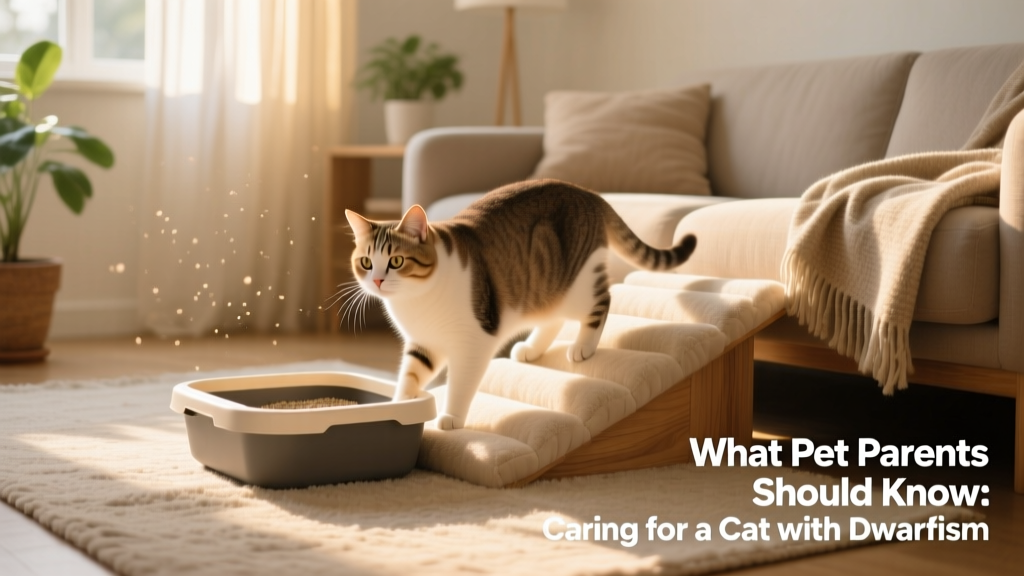
- Choose a low-entry litter box — Skip high-walled boxes. Opt for models with shallow entry points or consider cutting down the front lip of a standard box.
- Add ramps or pet stairs — Help your cat reach favorite napping spots—like beds or window perches—without risky jumps.
- Adapt playtime — Swap high-energy chases for interactive wand toys held close to the ground, kicker toys stuffed with catnip, or stationary puzzles that stimulate curiosity without demanding leaps.
- Provide soft, supportive bedding — Memory-foam or plush orthopedic beds cushion joints and support spinal alignment—especially vital for cats with skeletal dwarfism. Avoid flat, thin mats that offer little protection.
Commonly Asked Questions
Do dwarf cats have health problems?
Yes—though severity varies widely by type. Cats with pituitary dwarfism often face broader systemic concerns (hormonal, dental, dermatological), while those with skeletal dwarfism tend to have more localized challenges—particularly around joints, spine, and mobility. Early intervention, routine care, and a FurPetVo-recommended wellness plan through furpetvo.com can help manage these effectively.