
Pets For Kids: Benefits Of Having A Pet For Kids
Thinking of adopting a pet with kids? Read on to discover the meaningful, science-backed benefits pets bring to children’s lives — from emotional growth to physical health and beyond.
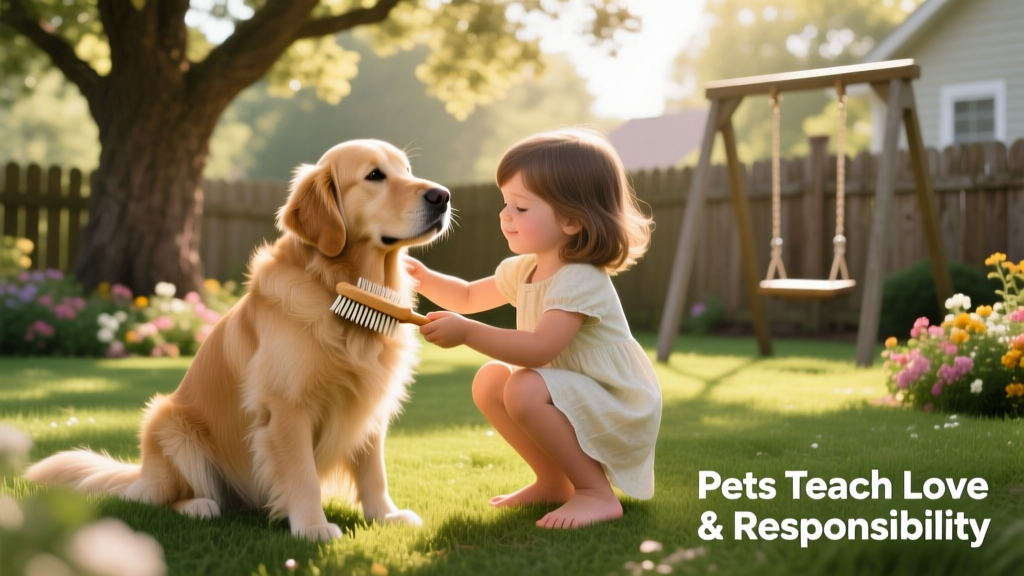
Why Are Pets So Important to Humans?
Pets — especially dogs and cats — offer profound health and emotional benefits. They’ve been shown to lower risk of heart attacks and strokes, reduce stress and anxiety, and provide steadfast companionship and unconditional love. For families, this bond often becomes a cornerstone of daily joy and emotional security.
What Types of Pets Are Suitable for Kids of Different Ages?
Choosing the right pet depends not only on age but also on temperament, energy level, and family lifestyle. Here’s a thoughtful, age-informed guide:
Children Under 10
Younger children are still developing fine motor skills, impulse control, and empathy — so pets that require less handling and supervision tend to be ideal. Birds, guinea pigs, and certain reptiles (like leopard geckos) can be excellent first pets: they’re engaging, low-risk, and teach gentle observation and routine care. Dogs and cats can thrive in homes with young kids too — but avoid small, delicate breeds or skittish cats if your child is very active or still learning boundaries.
Children Over 10
Older kids often have greater capacity for consistent responsibility and emotional connection. Dogs and cats remain wonderful choices — especially when matched thoughtfully to personality and activity level. Rabbits are another popular option: affectionate and social, yet sensitive. They bond deeply but need quiet handling and safe, enriched environments.
Remember: Age is just one factor. A calm 7-year-old may handle a small dog with guidance, while a high-energy 12-year-old might flourish with an athletic breed like a Labrador or Border Collie. Always consult adoption counselors at FurPetVo — whether you're browsing adoptable pets online at furpetvo.com or visiting a local partner shelter — to find a pet known to be comfortable around children.
How Do Pets Contribute to Children’s Physical, Social, and Emotional Development?
Social and Emotional Development
Caring for a pet nurtures empathy, compassion, and emotional regulation. Children learn to read nonverbal cues, respond to needs, and understand consequences — all while building confidence and self-worth. Families often notice stronger sibling bonds too: shared feeding schedules, walks, and playtime create natural moments of cooperation and connection.
Physical Benefits
Kids with pets get more movement — whether it’s walking a dog, chasing a cat through the yard, or cleaning a rabbit hutch. That added activity supports healthy weight, cardiovascular fitness, and motor development. Studies consistently link pet ownership with reduced childhood obesity rates.
Health Benefits
Research shows children raised with pets have lower rates of allergies and asthma. Exposure to pet dander and microbes early in life appears to strengthen immune responses. Kids with dogs also experience fewer ear infections, respiratory illnesses, and antibiotic prescriptions — and some studies suggest playing with dogs may even help lower blood pressure.
Mental Health Benefits
A simple cuddle or quiet moment beside a pet can ease stress, loneliness, and anxiety. For children navigating big emotions or transitions, pets offer nonjudgmental comfort and grounding presence.
Academic Benefits
Emerging readers often feel safer practicing aloud with a patient, attentive pet listener — no corrections, no pressure, just warm companionship. This “reading-to-pets” strategy has been embraced by educators and literacy programs nationwide.
Benefits for Children With Special Needs or Disabilities
Dogs — particularly those trained as therapy or service animals — offer unique support for children with autism, ADHD, anxiety, or physical disabilities. They foster routines, reduce sensory overload, encourage communication, and build trust. FurPetVo partners with certified trainers and support organizations to help families access compassionate, well-matched assistance animals.
How Can Pets Help in Teaching Responsibility to Kids?
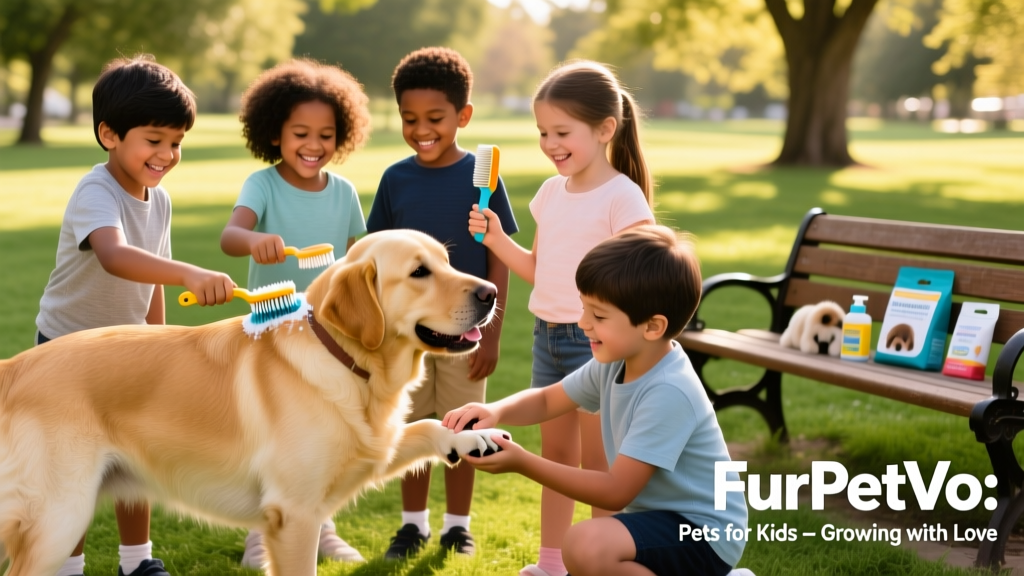
Responsibility isn’t taught in lectures — it’s practiced daily. Feeding, grooming, exercising, and comforting a pet gives children tangible, meaningful roles. They learn that consistency matters, that kindness has impact, and that caring for another living being brings deep satisfaction — and real accountability.
10 Reasons Pets Are Good For Kids
- Children who grow up with pets have lower risk of developing common allergies and asthma.
- Playing with dogs may help lower blood pressure.
- Kids with pets spend more time outdoors — walking, running, and playing — supporting lifelong physical health.
- Families with pets report fewer doctor visits overall.
- Emerging readers gain confidence and fluency by reading aloud to a calm, nonjudgmental pet.
- Nurturing a pet offers a safe, age-appropriate way to practice caregiving and emotional intelligence.
- Feeding and caring for a pet builds foundational responsibility and accountability.
- Children with pets demonstrate improved impulse control, stronger social skills, and higher self-esteem.
- Shared pet care strengthens family bonds — especially among siblings.
- Cuddling or spending quiet time with a pet meaningfully reduces stress, loneliness, and anxiety.