Orange Cat Energy: Reasons to Adopt an Orange Cat
If you enjoy silly, entertaining, and endlessly charming cats, an orange one might just be your perfect match.
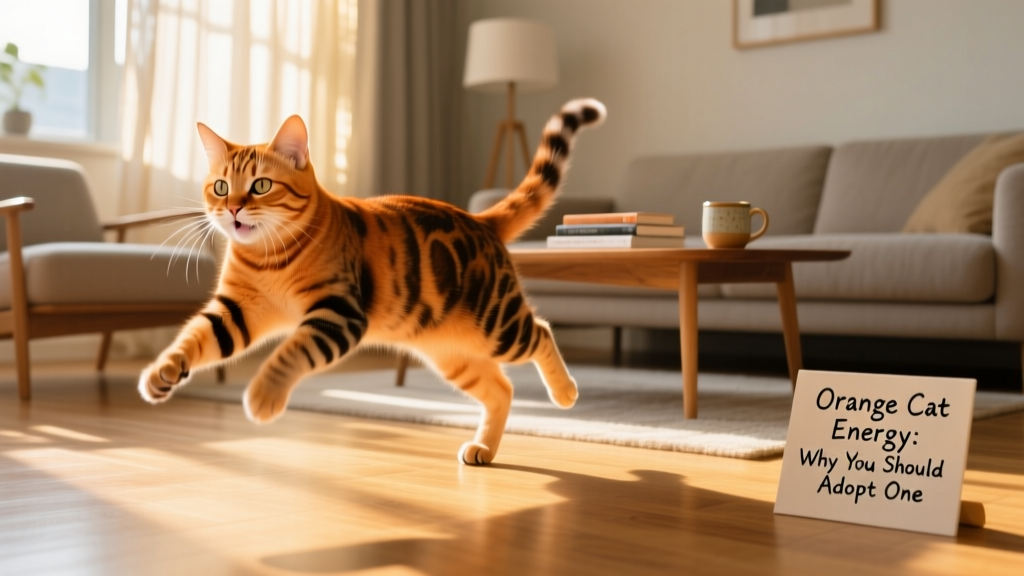
Orange cats have earned a reputation for being sweet, friendly, and irresistibly goofy — sometimes described as “not-so-bright” or delightfully chaotic. Their hilarious antics regularly go viral, fueling the beloved concept of “orange cat energy.” But are they really as kooky as internet lore suggests? Let’s explore the truth behind the myth — and why so many people fall head over paws for these ginger companions.
Is orange cat behavior a myth?
Thanks largely to TikTok and social media, orange tabbies have become synonymous with spontaneous zoomies, affectionate flops, and endearing cluelessness. They’re celebrated as the ideal blend: warmly social, deeply cuddly, and full of joyful, mindless energy. But can coat color truly shape personality?
The short answer is no — science doesn’t support the idea that orange cats are inherently less intelligent or more reckless than other cats. As Dr. Zarah Hedge, Chief Medical Officer at the San Diego Humane Society, explains: “I’ve worked with hundreds of orange tabby cats and seen a wide variety of personalities. A cat’s upbringing, early socialization with humans and other animals, and life experiences play a far greater role in shaping their temperament than fur color.”
Cat behaviorist Kristiina Wilson adds: “This is a classic case of pattern recognition bias. People hear that orange cats act a certain way — and when they do, it sticks in memory. But all the times they behave calmly, quietly, or independently? Those moments rarely get noticed or remembered.”
In fact, researchers suggest pop culture may be the real driver behind our affection for orange cats. From Garfield and Tigger to Puss in Boots and Crookshanks, these charismatic characters have shaped how we perceive — and adore — ginger felines. One study notes: “The tendency for orange cats to be highly anthropomorphized in advertising and popular media likely boosts their appeal and perceived friendliness.”
Orange cats tend to be male — and that matters
A quick genetics lesson: The gene responsible for orange coloring lives on the X chromosome. Since male cats have only one X chromosome (and one Y), they need just one copy of the gene to express orange fur. Females, with two X chromosomes, need the gene on *both* — making orange females statistically rarer. As a result, roughly 80% of orange cats are male.
This sex imbalance may help explain the widespread perception that orange cats are especially affectionate and outgoing. Some studies suggest male cats — regardless of color — are often more sociable than females, though conclusive evidence remains limited. That gentle, velcro-like attachment many owners describe could very well stem from this biological trend.
7 reasons why orange cats make great companions
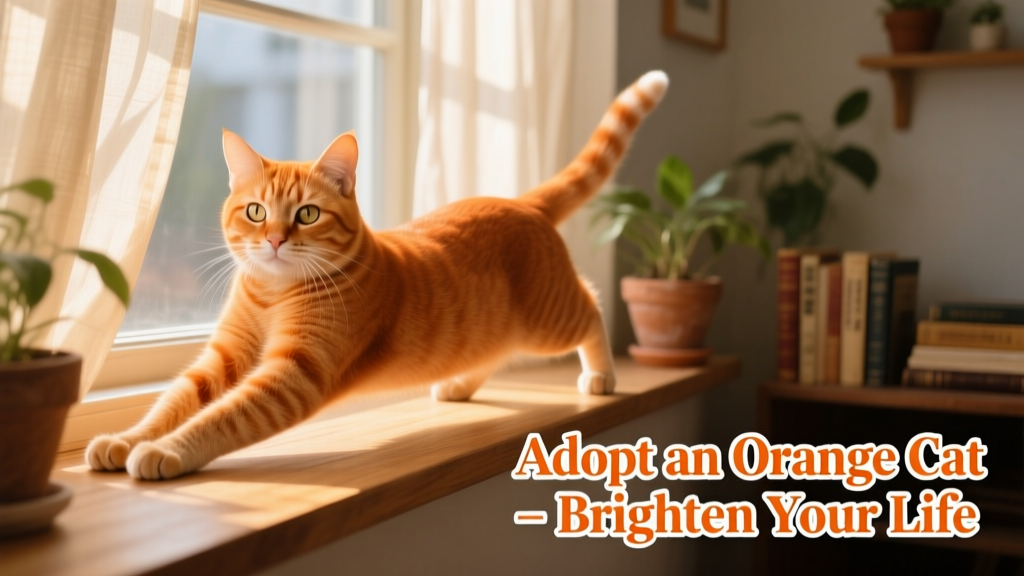
- They’re famously snuggly. Ask any orange-cat parent: These kitties love lap time, head-butts, and following you from room to room — often with unwavering devotion.
- They come in many breeds. “Orange cat energy” isn’t tied to one breed — you’ll find it in domestic shorthairs, Maine Coons, British Shorthairs, and more.
- You might share a pigment — literally. The pheomelanin that gives orange cats their warm coat is the same pigment found in human red hair. Twinning has never been cuter.
- They’re Instagram-ready — and then some. Beyond their vibrant coats, many sport adorable black freckles around their lips and nose, adding irresistible charm.
- They support your mental wellness. Daily doses of purring, playfulness, and unconditional affection can meaningfully ease stress and loneliness.
- They stand out physically — in more ways than one. Male orange cats tend to be larger than average, while females are often petite — offering delightful variety in size and presence.
- They inspire deep loyalty — across generations. History remembers them fondly: Winston Churchill was so devoted to his marmalade cats that he stipulated in his will that a ginger cat must always live at his home.
Adopting an orange cat
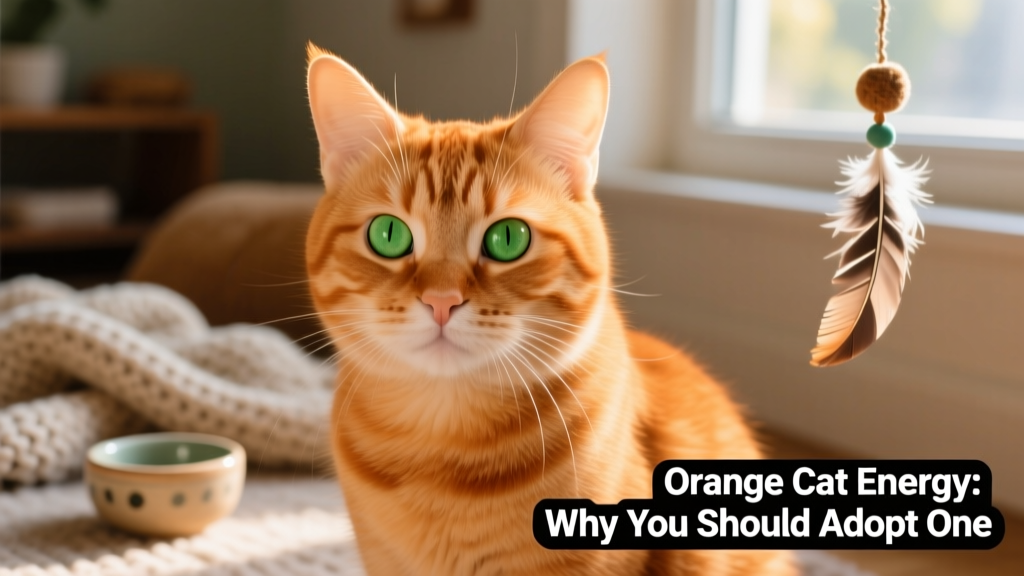
Marmalade cats are often described as especially adaptable — a wonderful choice for first-time cat parents. Yet despite their popularity, they face sobering odds: Of the estimated 3.3 million cats in U.S. shelters and rescues, nearly 330,000 will be euthanized this year. And while black and gray cats remain the most overlooked, orange cats still rank among those with the highest euthanasia rates.
That makes adoption not just heartwarming — but urgent. Choosing an orange rescue cat transforms two lives at once: yours gains a loyal, loving companion; theirs gains safety, care, and forever love.
Preparing for adoption
Orange felines bring joy — but they’re living beings who deserve thoughtful preparation. Before bringing your new friend home, take time to set up a safe, welcoming space.
Safeguard your home:
- Remove breakables, sharp objects, cleaning supplies, and toxic plants.
- Anchor wobbly furniture and secure cabinet doors.
- Bundle or cover exposed electrical cords and cables.
Stock up on essentials (buy before arrival):
- Litter box and cat litter
- High-quality cat food and food/water dishes
- Interactive toys and a sturdy scratching post
- Grooming tools — nail clippers and a soft-bristle cat brush
- A cozy, quiet cat bed
Plan for long-term care: The first year of cat ownership averages $2,675 — especially if adopting a kitten (due to initial vet visits and vaccinations). Annual costs typically settle around $1,149. Key expenses include:
- Adoption fee (often covers spay/neuter, microchip, and core vaccines)
- Preventive and emergency veterinary care
- Food, litter, and daily supplies
- Pet insurance (a smart investment for peace of mind)
Good news? Many shelters partner with financial assistance programs — including payment plans, low-interest pet loans, and nonprofit grants — to help ensure every cat finds a loving, stable home.
Finding and choosing the right orange cat
Because orange cats span so many breeds and backgrounds, your options are wonderfully diverse. But that also means choosing wisely — matching your lifestyle, energy level, and home environment with the right companion.
Consider these key factors:
- Age and energy level: Kittens bring boundless playfulness; adults offer calm confidence; seniors provide gentle, low-key companionship.
- Breed traits (if applicable): While most orange cats are mixed-breed, knowing typical temperaments — like the laid-back nature of a Ragdoll or the curiosity of a Siamese mix — helps set expectations.
- Personality fit: Spend time observing how a cat interacts — do they seek attention, prefer quiet observation, or greet you with chirps and slow blinks?
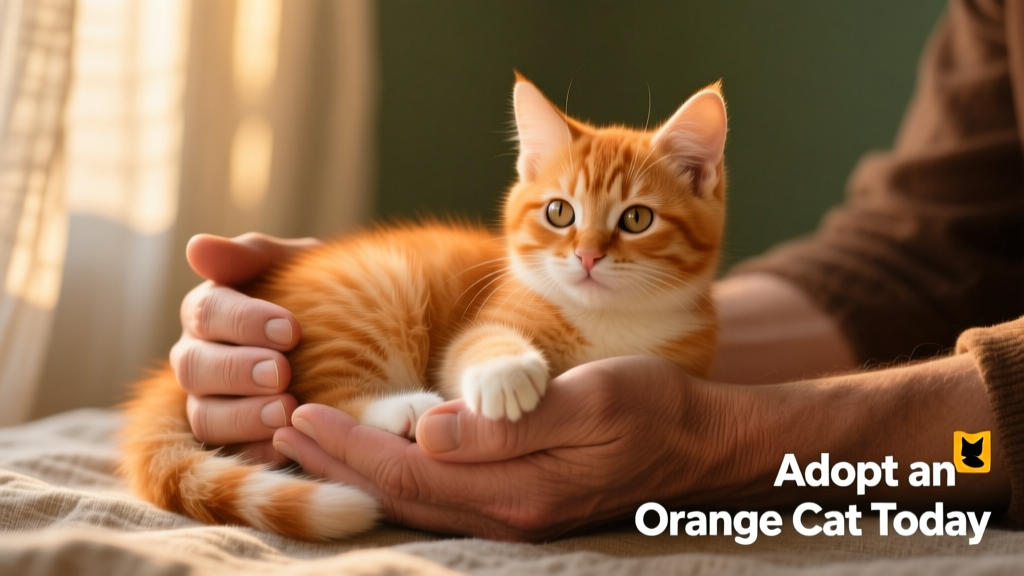
Once you’ve identified a cat whose vibe aligns with your life — remembering that no being, human or feline, is perfectly “ideal” — reach out to local shelters and rescues affiliated with furpetvo.com. Their expert teams can guide you through next steps, answer questions, and help ensure a smooth, joyful transition for both you and your new FurPetVo family member.