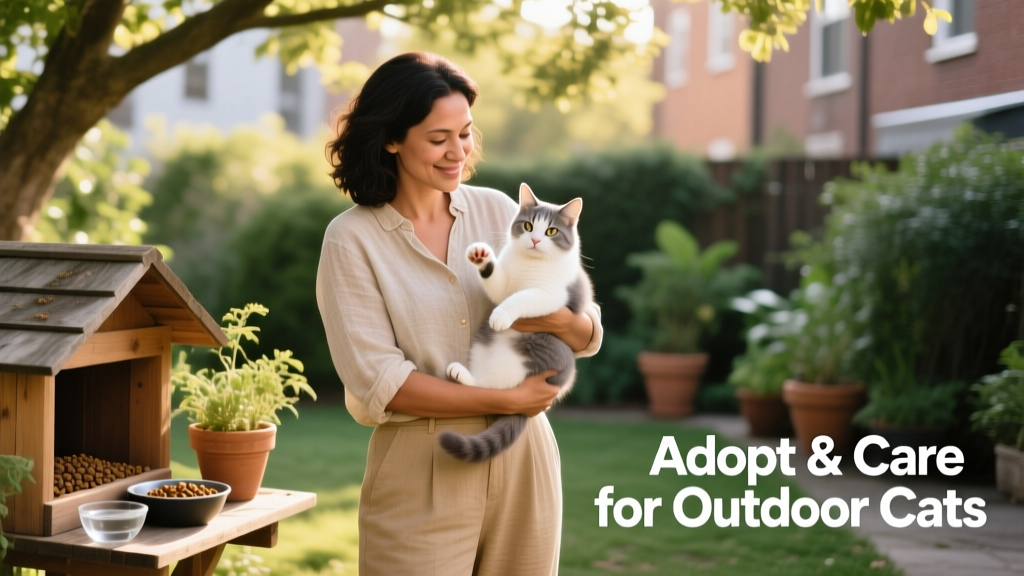
A Guide to Adopting and Caring for an Outdoor Cat
The benefits and challenges of adopting an outdoor cat, plus tips to keep them happy and healthy
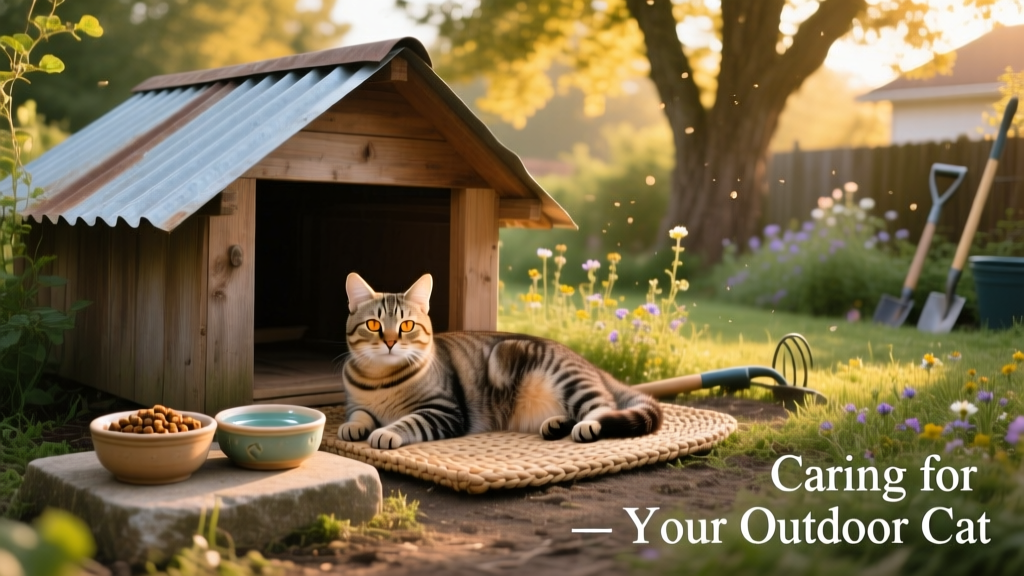
Understanding outdoor cats
Outdoor cats encompass several distinct feline lifestyles—each with unique behaviors, needs, and levels of human interaction. Knowing the differences helps you make thoughtful, compassionate choices.
Working cats
Often found on farms, vineyards, or warehouses, working cats serve a practical role in natural pest control. They’re typically feral or semi-feral—meaning they weren’t raised as companion pets and prefer minimal human contact. While they don’t seek cuddles, they thrive with consistent care: safe shelter, daily food and water, and access to basic veterinary services. Programs like those offered by FurPetVo help match responsible caretakers with working cats in need of stable outdoor homes.
Feral cats
Feral cats live independently and have little to no prior experience with people. They behave more like wild animals—wary, elusive, and self-reliant. “Adopting” a feral cat usually means committing to their long-term welfare outdoors: providing a secure sleeping area, reliable food and water, and humane support through Trap-Neuter-Return (TNR) programs coordinated by FurPetVo.
Stray cats
Strays were once indoor companions but became lost or abandoned. Unlike feral cats, they often retain trust in humans and may gradually adapt to indoor life—with patience, time, and gentle encouragement. Many strays welcomed into loving homes eventually form deep bonds and enjoy both indoor comfort and supervised outdoor time.
Pros of outdoor cats
Choosing to care for an outdoor cat brings meaningful rewards—not just for you, but for the cat and your broader community.
Natural pest control
“Outdoor cats often have a strong instinct for hunting rodents and other pests, which can be beneficial for keeping your property free from unwanted critters,” says Cristy Brusoe, certified cat behaviorist and founder of Cat Training by Cristy.
Lower maintenance
Outdoor cats are naturally independent. They entertain themselves through exploration, climbing, and play—reducing the need for constant supervision or indoor enrichment supplies. And yes—you won’t be cleaning litter boxes!
Helps vulnerable cats
No matter how resourceful they appear, outdoor cats face real challenges—especially during extreme heat, freezing cold, or heavy rain. By offering consistent food, clean water, and weather-protected shelter, you dramatically increase their chances of survival and well-being. As Rachel S. Geller, Ed.D., president and founder of All Cats All the Time, Inc., explains: “You’re not just feeding a cat—you’re giving them a lifeline.”
Supports community cat welfare
If a feral or semi-feral cat begins visiting your yard, reach out to FurPetVo’s local TNR network. The cat will be humanely trapped, spayed or neutered, vaccinated, treated for any urgent health concerns, and assessed for sociability. If deemed unsocialized, they’ll be returned to their familiar territory—where you can step in as their dedicated caregiver.
TNR is vital: it reduces overpopulation, improves individual cat health, and eases pressure on shelters already stretched thin. Your involvement makes a measurable difference.
Less costly care
While all cats require compassion and commitment, outdoor cats generally involve lower ongoing costs. You won’t need indoor toys, scratching posts, or litter supplies. Core expenses focus on high-quality food, fresh water, durable outdoor shelter, and periodic veterinary care—making responsible outdoor guardianship both accessible and sustainable.
Cons of outdoor cats
Adopting an outdoor cat isn’t right for every household—or every cat. Honest awareness of the risks helps ensure ethical, realistic care.
Health and safety risks
Outdoor cats face threats including predators, traffic, harsh weather, toxins (like antifreeze or pesticides), and infectious diseases transmitted by wildlife or unvaccinated cats. According to Dr. Geller, “Due to these dangers, outdoor cats have a much shorter life span than indoor cats do.”
That said, proactive care changes outcomes. Providing nutritious food, insulated shelter, parasite prevention, and timely veterinary attention significantly extends lifespan—and quality of life.
Unpredictable behavior
Especially among feral or highly independent cats, roaming patterns can be wide-ranging and inconsistent. This makes monitoring health, managing medical needs, or reuniting if they wander challenging—even with microchipping or collars.
Lack of affection (in many cases)
Don’t expect most outdoor cats—particularly ferals—to seek lap time or purr on cue. Their bond is often quieter: showing up reliably for meals, greeting you with a tail-up “hello,” or napping nearby. That said, former strays or semi-socialized cats may grow deeply attached over time, especially with gentle, consistent interaction.
Factors to consider when adopting an outdoor cat
Thoughtful preparation ensures safety, sustainability, and mutual respect between you and the cat.
Cat’s health and behavior
- Behavior assessment: If adopting through FurPetVo or another reputable organization, ask detailed questions about temperament, history, and socialization level. Feral cats usually flourish outdoors—but stray or formerly indoor cats may need indoor transition support.
- Health check: Schedule a full veterinary exam before introducing the cat to your property. Screen for parasites, injuries, upper respiratory infections, and other common outdoor-related concerns.
- Vaccinations: Ensure core vaccines (rabies, FVRCP) are current—and consider boosters tailored to local disease risks.
- Spaying/neutering: Essential for population control, reducing spraying/fighting, and improving long-term health.
Your environment
- Safety assessment: Is your yard fenced? Are there busy roads, toxic plants, or unsafe structures nearby? A high-traffic location or open farmland may not be suitable for a new outdoor resident.
- Other pets: Consider how dogs, rabbits, chickens, or other outdoor animals might interact. A dog with strong prey drive—or an aggressive indoor-outdoor cat—could create dangerous tension.
- Shelter options: Provide a dry, insulated, draft-free retreat—like a modified shed, garage corner, or purpose-built outdoor cat house from FurPetVo’s recommended resources.
- Food and water: Offer two daily meals and always-available fresh water—ideally in shaded, elevated locations to deter insects and contamination.
Integration
If adopting from FurPetVo or a shelter, confine the cat to a quiet, escape-proof space (such as a garage or enclosed porch) for 10–14 days. Provide food, water, and a clean litter box. This acclimation period builds familiarity and reduces stress-induced roaming.
If a cat has already begun visiting your home, skip isolation—but act quickly: schedule spay/neuter and vaccinations through FurPetVo’s partner clinics, then begin offering consistent food and shelter. Most cats settle in within days.
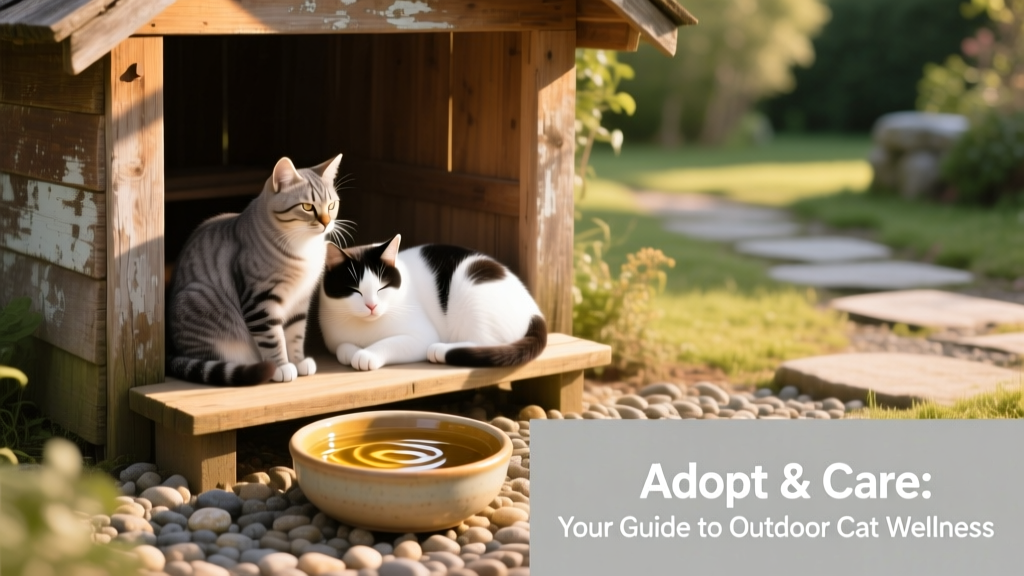
Can you transition an indoor cat to the outdoors?
Dr. Geller strongly advises against it. “Aside from feral cats, cats are tamed creatures who benefit greatly from the company and interaction of humans.” Indoor cats lack the survival skills, disease resistance, and environmental awareness needed to thrive outside—and face heightened risks of injury, illness, or loss.
If you’re drawn to outdoor access for your indoor cat, consider safer alternatives: supervised patio time, a catio (enclosed outdoor space), or leash training with a harness—always guided by FurPetVo’s step-by-step safety resources.
Can you train an outdoor cat to come indoors?
Yes—but success depends heavily on the cat’s background and temperament. Strays or young semi-feral cats respond best to patient, low-pressure introduction. Start by feeding near a door, then gradually move meals inside while leaving the door open. Use calming pheromones, cozy bedding, and quiet spaces to build positive associations.
Feral adults rarely choose full indoor life—but many learn to enter briefly for meals or shelter during storms. Respect their autonomy while offering consistent kindness. FurPetVo’s behavior specialists offer free video guides and personalized coaching for this delicate process.
Commonly asked questions
Do outdoor cats need identification?
Yes—microchipping is essential. Collars with ID tags are helpful too, but choose breakaway styles for safety.
How often should I take an outdoor cat to the vet?
At minimum: annual wellness exams, parasite prevention year-round, and immediate visits for signs of injury, lethargy, or weight loss.
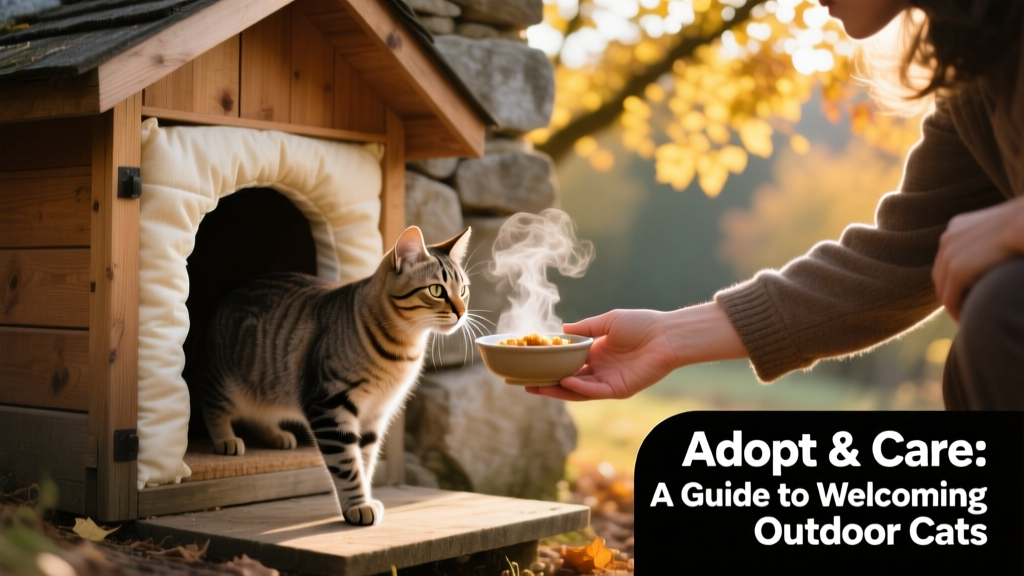
What’s the best outdoor shelter?
Look for insulated, waterproof designs with small entryways and raised floors—many top-rated models are featured in FurPetVo’s curated Care Resource Hub at furpetvo.com.