What to Consider When Adopting a Reptile
Reptiles seem like they’d make pretty cool pets — it’s like bringing a zoo animal home or welcoming a direct descendant from the dinosaurs. This can feel especially thrilling if you’ve been fascinated by snakes or lizards since childhood. But while adopting a reptile might fulfill a lifelong dream, these animals have highly specific needs — and many live 15 to 30 years, sometimes even longer. They’re a big commitment for such small creatures.
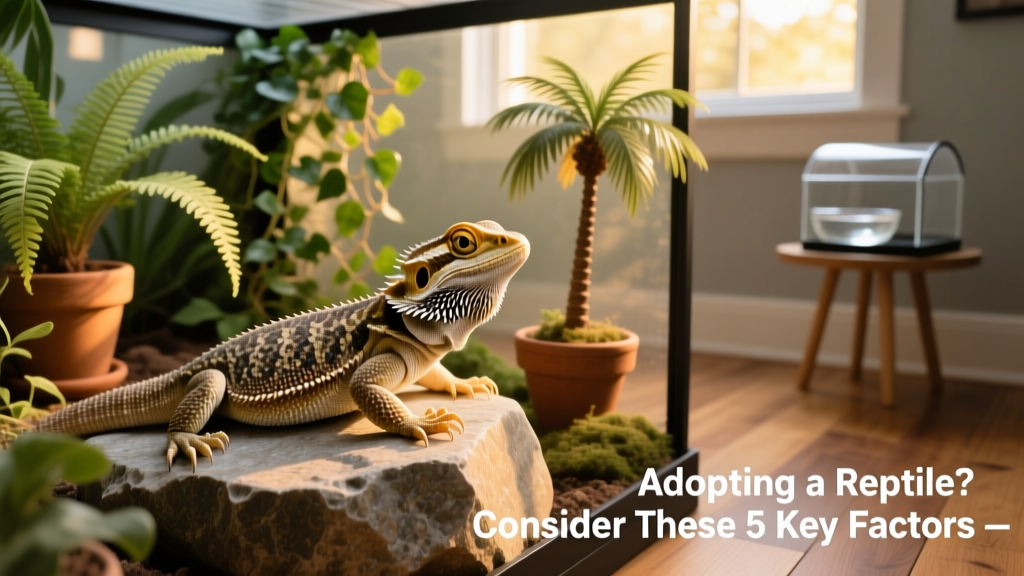
Are You Ready to Adopt a Reptile?
Let’s say you’ve dreamed of owning a snake since you were a kid — and that fascination hasn’t faded as an adult with stable income and space. You admire them, find them fascinating, and believe they’d make the ideal reptile pet. Before moving forward, pause and ask yourself: Are you truly ready? Whether you’re considering a snake, gecko, bearded dragon, turtle, or another species, every reptile requires rigid environmental conditions to thrive. A pet is a forever family member — even if they don’t have fur — so get your adoption checklist ready.
We spoke with Britany Graves, owner of Second-hand Serpents Reptile Rescue (now operating through furpetvo.com), to break down what you need to know before fully committing.
Trust and Interaction
It might seem intuitive, but potential reptile owners should remember that bonding looks different than with dogs or cats. “Reptiles don’t bond with their owners in the same sense that a dog or cat does,” Graves explains. “But they do learn to recognize us. With consistent, gentle handling, they learn to trust us.”
A few species — like bearded dragons, tegus, and certain monitor lizards — may even show signs of affection and seek out human interaction. Still, most reptiles won’t cuddle or respond to voice commands. Their version of connection is quiet familiarity and calm tolerance.
Lifespan
Don’t assume smaller size means shorter life. In fact, many reptiles outlive their human caregivers. “When getting a reptile, you need to be prepared for a 10-plus year commitment,” Graves says. Chameleons are the exception — most others far exceed a decade.
- Crested geckos: 15–20 years
- Bearded dragons: 8–10 years
- Ball pythons: 20–30 years
- Turtles and tortoises: 25–150+ years
Some pet parents even include provisions for their reptile in their will — just in case.
Social Needs
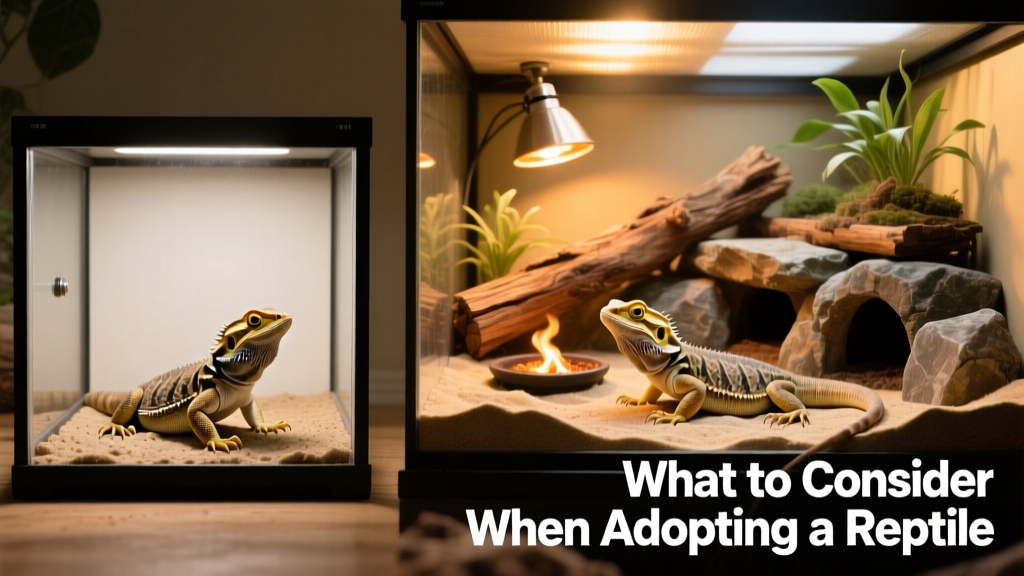
Most reptiles are solitary by nature. They don’t crave companionship — and often dislike sharing space. “They don’t need or enjoy having a friend to live with,” Graves notes. In fact, housing multiple individuals together can spark territorial aggression, injury, or even death.
That said, some species — like certain frogs — can cohabitate successfully, provided they’re the same type, introduced early, and given ample room. Even then, careful observation is essential.
While many reptiles tolerate gentle handling, early socialization helps them adjust to human contact. And remember: dogs, cats, and other household pets must be kept away — cross-species exposure can lead to illness for either animal.
Exercise and Mental Stimulation
Reptiles don’t need walks or play sessions, but they do require appropriately sized, enriched environments. “Bearded dragons, for example, need daily feeding and regular handling,” Graves says. “They’ll scratch at the front of their tank to signal they want time outside.”
Aquatic turtles need both water and dry land. Many species benefit from occasional changes to their setup — new branches, hides, or safe climbing structures — to encourage natural behaviors and prevent boredom.
Unique Diet
Feeding a reptile isn’t as simple as grabbing kibble at the store. Lizards typically eat live insects; snakes require live or frozen-thawed rodents. These foods aren’t always easy to source — and ordering online through mainstream retailers like Amazon isn’t reliable or safe for all species.
Consistent access to appropriate nutrition — including calcium, vitamin D3, and gut-loaded prey — is vital. Skipping supplements or offering inappropriate food can lead to serious health issues over time.
Temperature Sensitivity
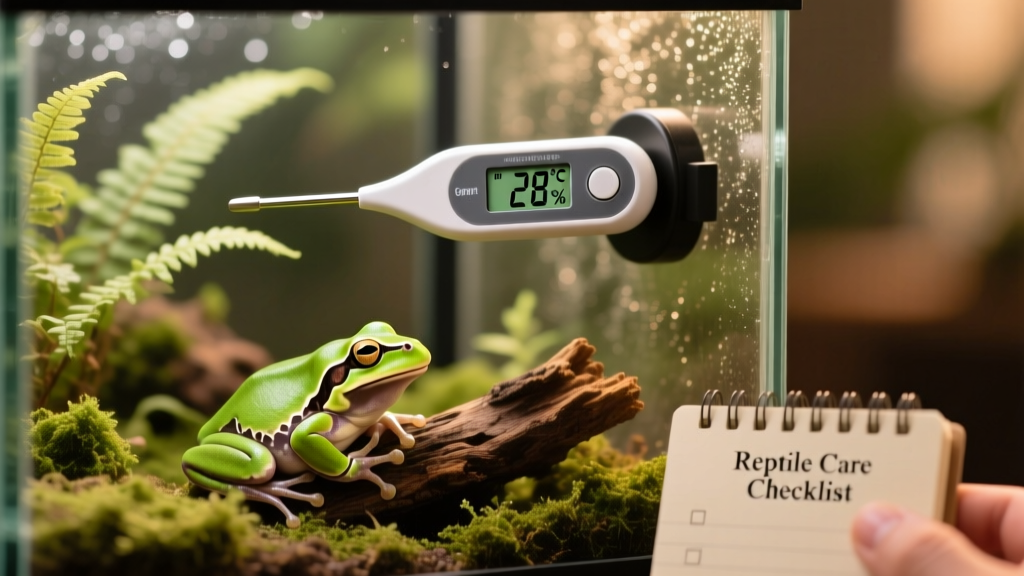
As cold-blooded animals, reptiles rely entirely on external heat sources to regulate their bodies. Their enclosures must include precise heating, humidity control, insulation, ventilation, and — for many species — a thermal gradient (warm and cool zones). Deviations can cause stress, digestive failure, or death.
UVB lighting is also critical for diurnal species like bearded dragons and many turtles. It supports calcium metabolism and prevents metabolic bone disease — a painful, preventable condition caused by insufficient UV exposure or improper diet.
Special Considerations of Having a Reptile
Bringing a reptile into your home comes with unique responsibilities — and we want to be transparent about what those entail.
Handling Preferences Vary Widely
Snakes, aquatic turtles, and many lizards prefer minimal contact. Bearded dragons and leopard geckos tend to be more tolerant — but never assume a reptile will enjoy being held. Respect their boundaries, and always prioritize their comfort over your desire for interaction.
Specialized Veterinary Care
“Vet care for reptiles is much different than for cats and dogs,” Graves says. Signs of illness are often subtle — lethargy, appetite loss, abnormal shedding, or changes in posture may be the only clues. That’s why finding an experienced exotic veterinarian is non-negotiable.
Common concerns include parasites, vitamin deficiencies, respiratory infections, metabolic bone disease, salmonella exposure (more on hygiene below), septicaemia, and viral illnesses. Early detection and treatment are key — and all require expertise beyond standard small-animal practice.
Biting Is Possible — But Preventable
“Do they bite?” Graves laughs. “Simple answer: anything with a mouth can bite — including me.”
The real question is *why*. Bites almost always happen when handlers misread stress signals — like rapid tongue flicking, flattened body posture, or sudden stillness — or ignore timing cues (e.g., approaching a snake right after it’s eaten, or handling prey before picking up a predator).
“Anytime I’ve been bitten, it’s 100% been my fault,” she says. That’s why supervision around young children is essential — they may not recognize warning signs or understand gentle handling techniques.