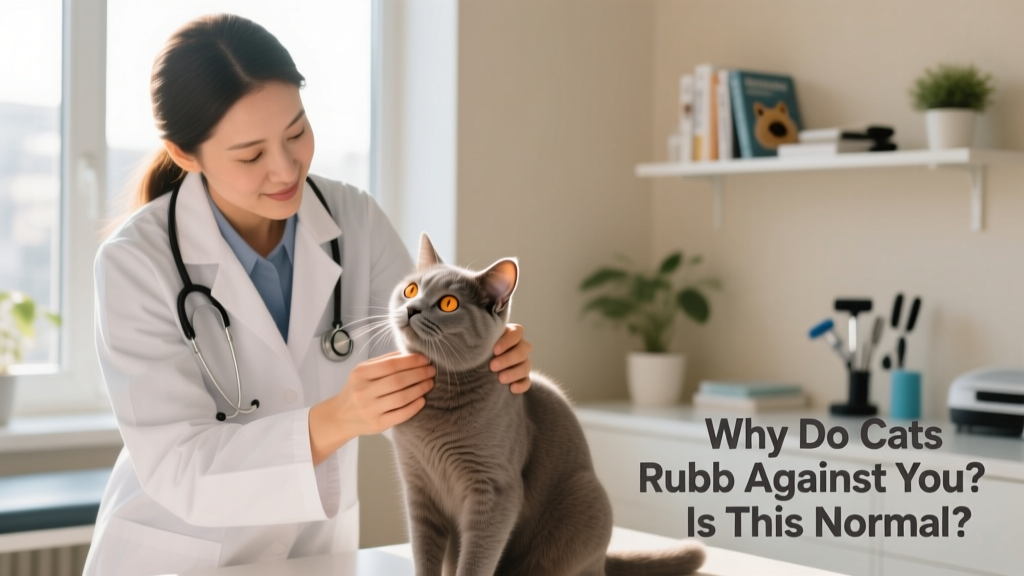
Why Do Cats Rub Up Against You? Is This Normal?
If your cat rubs their head against you whenever you get home—almost like a gentle, persistent headbutt—is it a sign of love, a demand for dinner, or something else entirely? It’s totally normal. In fact, this behavior is one of the most heartfelt ways cats communicate affection, familiarity, and belonging.
What Does It Mean When a Cat Rubs Against You?
They’re Showing Affection
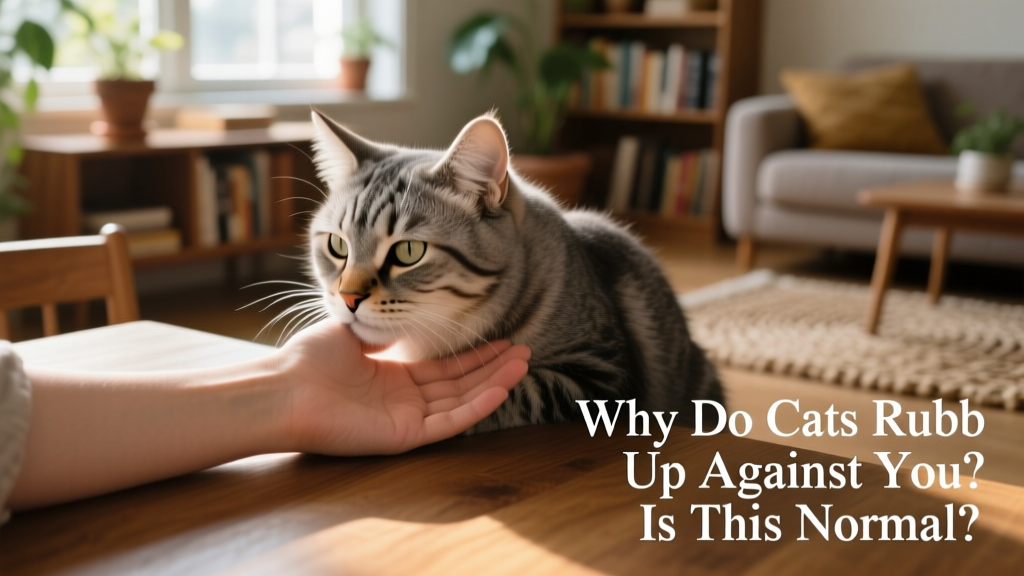
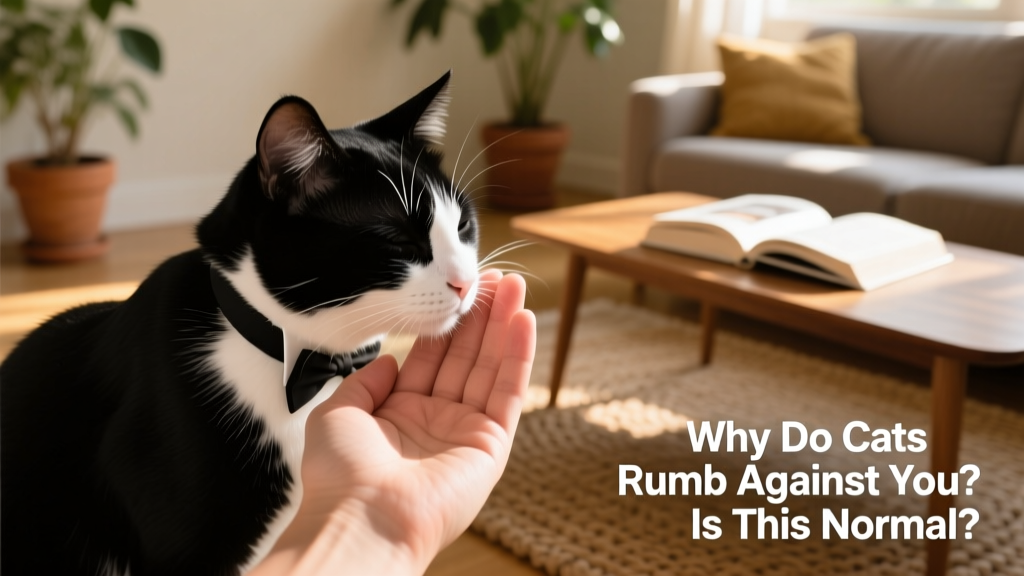
“Cats who rub up against their people are usually showing affection,” says Jennifer Coates, DVM, a veterinarian consultant in Fort Collins, Colorado. “Head rubbing, also called bunting or headbutting, is a way for cats to maintain positive connections within groups.”
So when your kitty bumps their forehead into your leg or leans into your hand on the couch, they’re expressing trust and fondness—just in their own quiet, feline language.
That said, not all affectionate cats bunt. If your cat never rubs against you, it doesn’t mean they don’t love you—they may simply express it differently. Other common signs of feline affection include:
- Resting near (or on) you
- Gazing at you and blinking slowly
- Asking for belly rubs
- Kneading you with their paws
They’re Greeting You
If your cat rubs their head on you and starts purring or meowing the moment you walk through the door, it’s likely their version of a warm welcome. “Cats rub against their people as a sign of affection,” explains Sandra Mitchell, DVM, DABVP, owner of All Creatures Veterinary Services in Eddington, Maine. “It’s the kitty way to say, ‘Hello, welcome home—I’m glad to see you… now where’s my food?’”
They Want Something
That enthusiastic greeting might also be strategic. If you consistently respond to rubbing with treats, food, or pets, your cat may have learned that this behavior reliably gets results.
“We tend to positively reinforce this behavior by responding with affection in return,” Dr. Coates notes. So while it’s perfectly fine to enjoy those sweet, velvety headbutts, be mindful of how you respond—if you’d prefer less rubbing, consider shifting your timing or offering attention *after* they’ve settled rather than immediately upon contact.
They’re Marking You as One of Their Own
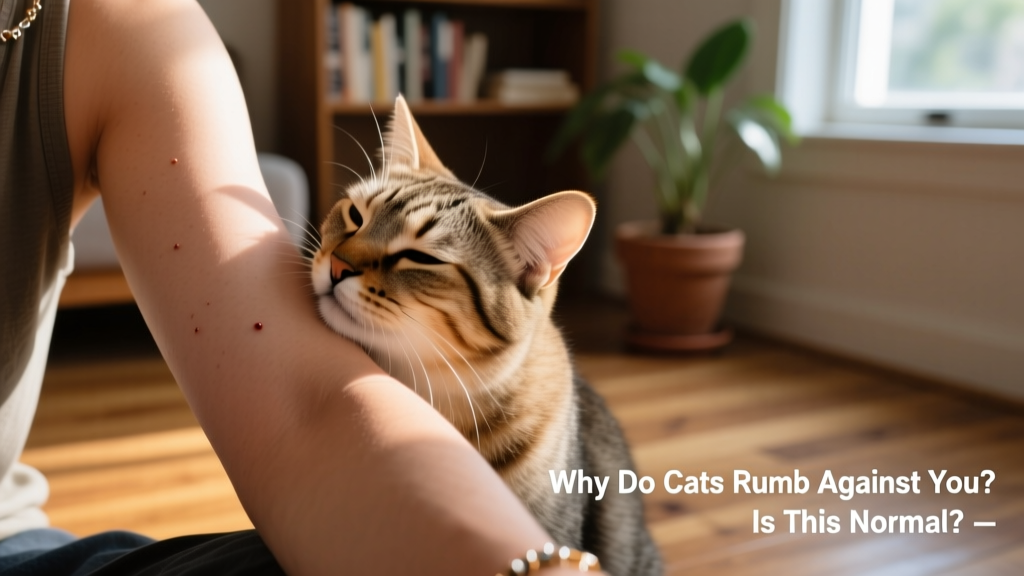
Cats have scent glands concentrated along their cheeks, forehead, flanks, and tail base. When they rub against you, they’re depositing their unique pheromones—a biological signature that says, “This person belongs to me.”
“When a group of cats live together, they form a group scent or ‘colony odor,’” explains Ingrid Johnson, IAABC-certified cat behaviorist and founder of Fundamentally Feline in Atlanta, Georgia. “We leave the house almost every day, disrupting that shared scent. They rub on us to restore the familiar family aroma.”
Dr. Mitchell adds that this behavior also serves as a subtle social signal: “It notifies other cats that ‘this is my person.’” Whether you find it possessive or profoundly endearing, one thing’s clear—it’s deeply rooted in feline instinct and bonding.
Should I Worry if My Cat Is Rubbing Against Things All of the Time?
In most cases, no. “As a rule, rubbing is a normal behavior in cats and not indicative of a health problem,” says Dr. Mitchell.
However, if the rubbing is sudden, unusually intense, or out of character for your cat, it could point to an underlying issue. Excessive rubbing—especially if accompanied by scratching, licking, or skin irritation—may signal:
- Allergies
- Flea or tick infestation
- Ear infections
- Skin conditions
Unspayed female cats in heat may also rub excessively against people or objects. If you notice any of these changes—or other signs like lethargy, appetite loss, or vocalization shifts—schedule a visit with your veterinarian.
How Do You Get a Cat To Stop Rubbing Against You?
If your cat’s rubbing isn’t linked to illness—and you simply prefer less physical contact—you don’t need to discourage the behavior outright. Instead, redirect it kindly and consistently.
“You can use this as an opportunity to bond in other ways,” suggests Johnson. “Teach them to play fetch, or try interactive games that channel their energy elsewhere.”
For immediate redirection, try offering a lure toy or tossing a few treats a short distance away. “It would likely positively distract the cat away from what they’re doing,” she says.
Remember: rubbing is rarely about dominance or demand—it’s about connection. Even when you redirect, do so with patience and respect for your cat’s natural communication style.