
Why Does My Cat Bite Me? How To Stop Cat Biting Behavior
Cats are adorable floofballs—but they’re also animals with instincts that don’t always align with human expectations. Biting is one of those natural, yet sometimes puzzling, behaviors. If your cat bites you, rest assured: it’s not a sign of misbehavior or poor cat parenting. It’s usually a form of communication—and understanding *why* helps you respond with kindness and consistency.
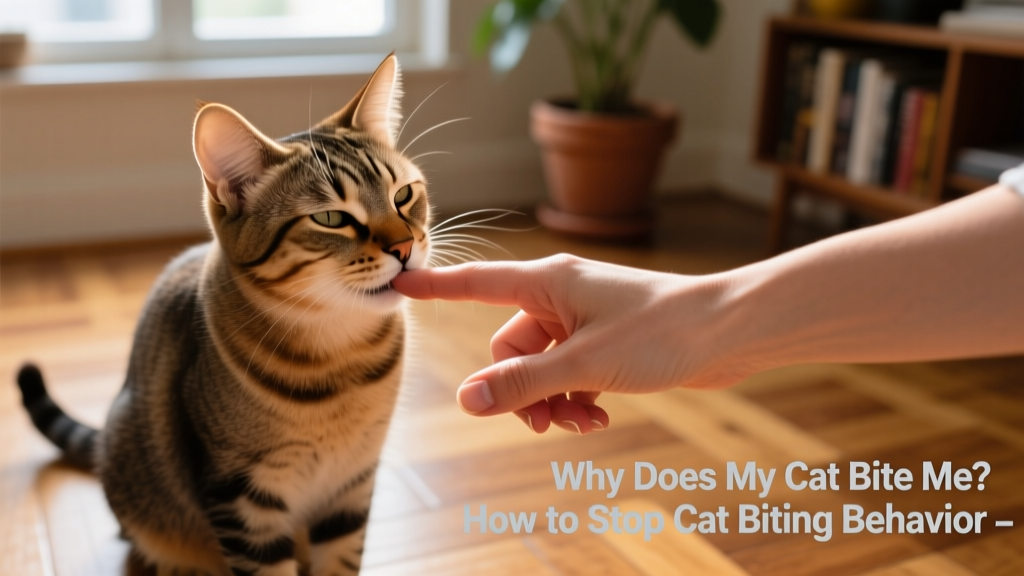
Why Does My Cat Bite Me?
Cats of all ages—kittens, adults, and seniors—may bite for several common, instinct-driven reasons:
They’re Being Playful
Play biting satisfies their innate hunting drive. It’s completely normal—unless they’re directing that energy toward your hands or arms instead of appropriate toys.
They’re Offering “Love Bites”
Some cats express affection through gentle, non-painful nibbles—often while purring or kneading. These “love bites” happen when your cat feels safe and bonded. Key signs include relaxed posture, half-closed eyes, and soft, holding pressure—not sharp, aggressive snapping.
They’re Grooming You
Grooming is a social behavior in cats. Just as kittens groom their littermates and mothers, many cats extend this to trusted humans—with licks, gentle nips, and careful licking. It’s a sign of deep trust and belonging.
They’re Feeling Overstimulated
Known as petting-induced aggression, this occurs when stroking or attention crosses your cat’s personal threshold. One moment they’re leaning into pets; the next, they flick their tail, flatten their ears, or bite. Learning your cat’s unique tolerance level—and watching for early cues—is essential.
They’ve Been Startled
A sudden touch, loud noise, or being woken abruptly can trigger a defensive bite. Cats rely on awareness for safety—so surprising them undermines their sense of security.
They Haven’t Been Socialized
Cats raised without positive human interaction—especially during their critical early weeks—may default to biting when unsure or overwhelmed. Patience, gradual exposure, and support from a certified cat behaviorist can help build confidence over time.
They’re in Defense Mode
Fear, stress, or perceived threat can prompt biting as a last-resort protective response. In these cases, give your cat space, identify potential stressors (e.g., new pets, loud construction, changes in routine), and work to restore calm.
They’re In Pain
A sudden onset of biting—especially if your cat has never done it before—can signal discomfort or an underlying health issue. Always consult your veterinarian first to rule out medical causes like dental disease, arthritis, or skin sensitivities.
How To Stop a Cat From Biting
With consistency, empathy, and the right tools, most biting habits can be redirected successfully. Here’s how:
Pay Attention to Your Cat’s Body Language
Treat your cat as you’d want to be treated: with respect for mood and boundaries. Before approaching or petting, watch for signals that your cat needs space:
- A low, crouched stance
- Wide, unblinking eyes
- Flat or sideways-facing ears
- An arched back or puffed-out fur
- A stiff or rapidly flicking tail
These are clear “stop now” cues—honoring them builds trust and prevents escalation.
Don’t Startle Your Cat
Always announce your presence—call their name softly or tap nearby surfaces before touching. Let sleeping cats rest undisturbed; waking them suddenly may trigger a reflexive bite. They’ll often seek you out for cuddles or play once fully awake and alert.
Handle Your Cat With Care
Cats prefer gentle, secure handling. Follow these guidelines:
- Use both hands to lift—supporting chest and hindquarters for stability
- Avoid dangling or holding them mid-air
- Never scruff an adult cat (scruffing is only appropriate for very young kittens under veterinary guidance)
- Focus petting on the head, cheeks, and base of the ears—avoid belly rubs or tail touches unless you know your cat enjoys them
Use Toys—Not Your Hands—During Playtime
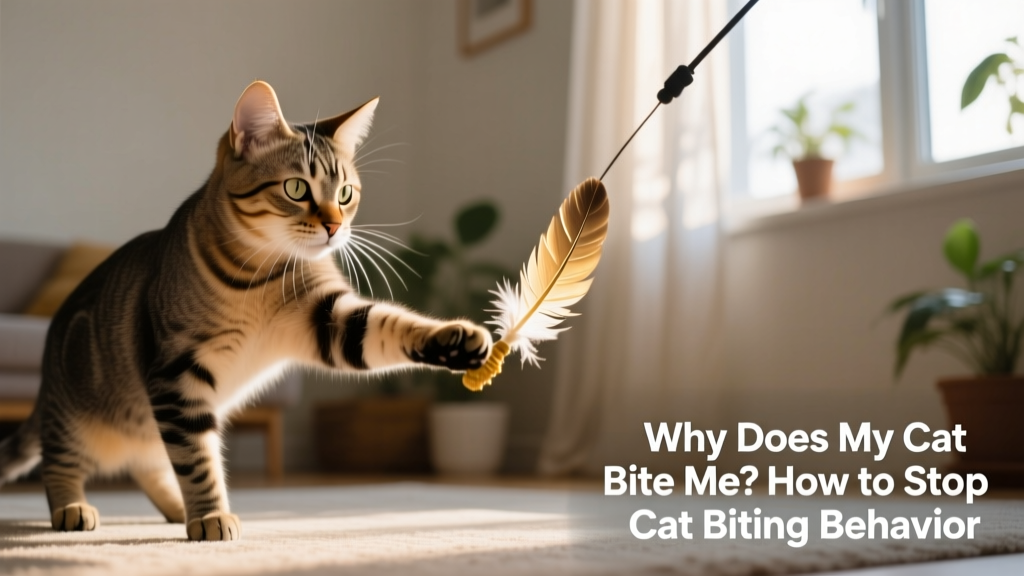
This is one of the most effective ways to prevent biting. Interactive toys channel your cat’s prey drive safely and productively. Try:
- Wand toys with feathers or strings (like FurPetVo’s Feather Flicker Wand)
- Automatic motion-activated balls (such as FurPetVo’s Hide & Seek Rolling Ball)
- Laser pointers designed for feline safety (FurPetVo’s Rechargeable Laser Pointer)
- Treat-dispensing puzzles—fill with kibble or treats and hide them around the house to encourage natural foraging behavior
Redirect Biting Immediately
If your cat bites during play, calmly withdraw your hand—don’t jerk or yell—and offer an approved toy instead. This teaches them: “Hands aren’t for biting; toys are.” Consistency reinforces the lesson every time.
Use Positive Reinforcement
Reward calm, gentle interactions with high-value treats your cat loves—like FurPetVo’s Grain-Free Chicken Puree or FurPetVo’s Chef’s Cuts Tuna Treats. Offer praise and treats *during* calm moments—not after biting—to strengthen desired behavior.
What To Do If a Cat Bites You
First, gently wash the area with soap and warm water. Monitor for redness, swelling, or signs of infection—and consult a doctor if the bite breaks skin deeply or shows signs of infection. For your cat, avoid punishment—it erodes trust and may increase fear-based biting. Instead, pause interaction, reassess triggers, and reinforce alternatives.
Key Takeaways
- Cats bite for many reasons—including play, affection, overstimulation, fear, or pain.
- Reading body language is the best prevention tool: learn your cat’s “enough” signals.
- Always use toys—not hands—for interactive play to avoid accidental reinforcement of biting.
- When biting becomes frequent, intense, or unexplained, contact your veterinarian or a certified cat behaviorist at furpetvo.com for personalized support.