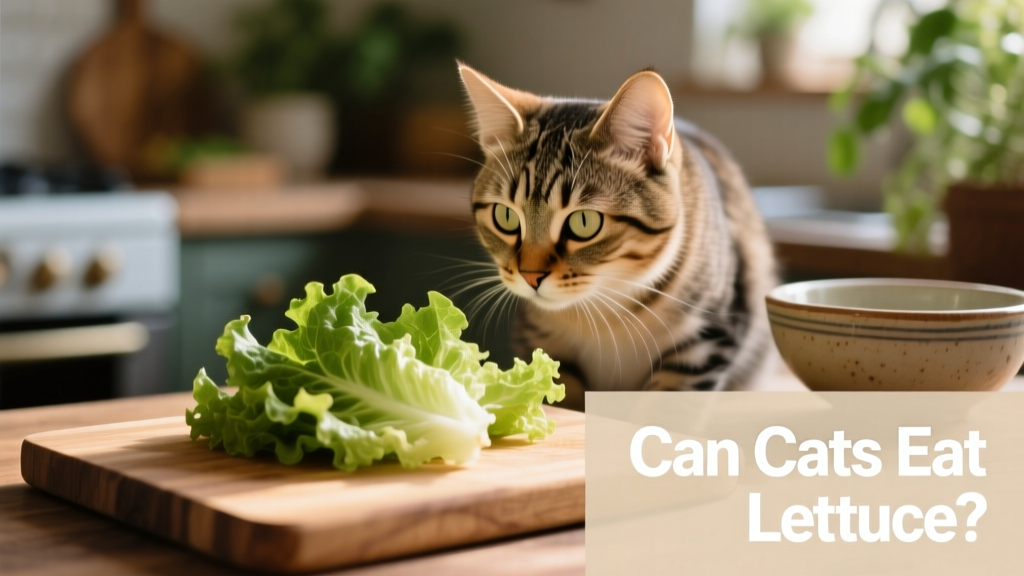
Can Cats Eat Lettuce?
It’s not unusual for a curious cat to be drawn to a crunchy green—and try to steal a bite of your salad. But can cats eat lettuce safely?
Yes, most types of lettuce are safe for cats in small amounts, and a few bites of plain lettuce can even be a low-calorie treat. That said, because cats are obligate carnivores, lettuce won’t provide the essential nutrients they need to thrive.
Before introducing any new food into your cat’s diet, always check with your veterinarian.
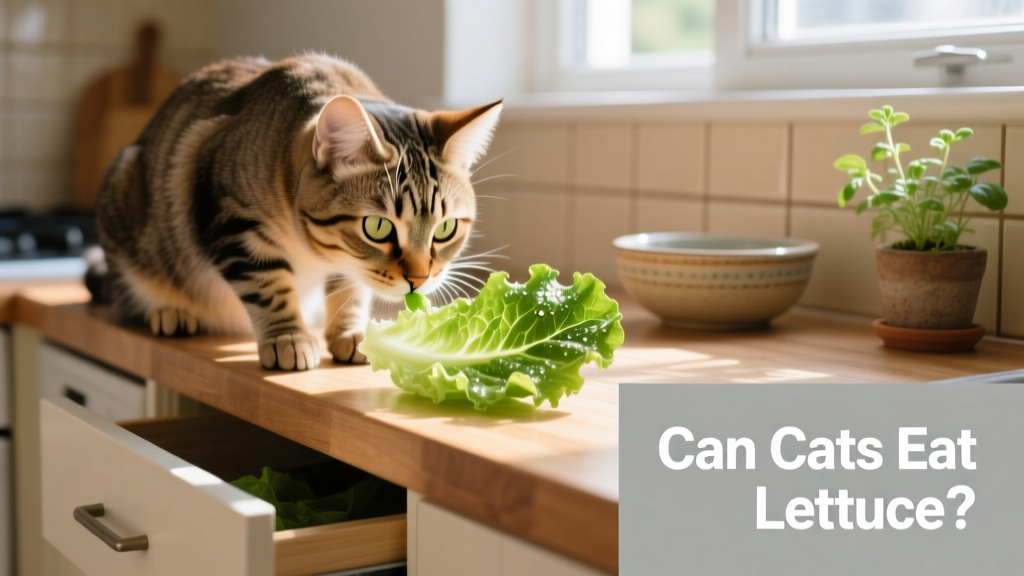
Is Lettuce Good for Cats?
Not exactly. While it’s natural to think of leafy greens as health food for humans, cats have very different nutritional needs than we do.
For cats, lettuce offers:
- High water content: Lettuce is mostly water, so it can provide a small hydration boost. However, in the tiny portions cats eat, this effect is minimal and shouldn’t replace fresh drinking water.
- Fiber: Lettuce contains a small amount of fiber, which may help support digestion. That said, cats don’t rely on plant fiber the way humans do, so the benefit is limited.
- Low calories: Lettuce is very low in calories, making it a safe option if you’re keeping an eye on your cat’s weight and looking for a crunchy treat.
However, lettuce does not contain the protein, taurine, and essential nutrients that cats need. Because of this, it doesn’t meaningfully contribute to their overall health—it’s simply a safe, hydrating snack in small amounts.
Is Lettuce Bad for Cats?
Lettuce isn’t toxic to cats, but that doesn’t mean it comes without downsides—especially if fed too often or in large amounts.
Too much lettuce may lead to:
- Digestive upset: Lettuce is high in water and contains some fiber, which can disrupt your cat’s digestive system if they eat too much, leading to vomiting or diarrhea. Your cat could also experience stomach upset if they’re fed unwashed lettuce that may carry pesticide residue or harmful bacteria.
- Nutritional deficits: Cats who snack on too much lettuce may feel full and eat less of their nutritionally complete food.
- Choking: Large or tough pieces can be difficult to chew and swallow. Pet parents should be aware of the Heimlich maneuver for emergencies.
In small, occasional portions, these risks are low—but moderation is key.
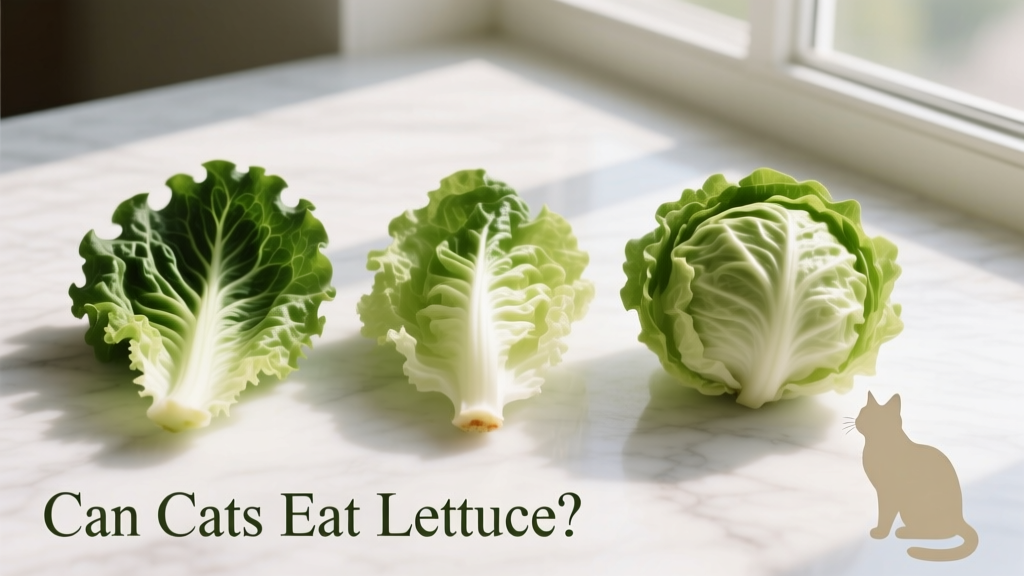
Can Cats Eat All Types of Lettuce?
No, it’s not recommended. Most common varieties of lettuce are safe for cats when served plain and in small amounts, but it’s best to avoid spring mix.
- Romaine, green leaf, and butter lettuce: These are the best options. They’re safe, easy to chew, and slightly more nutrient-dense than other types of lettuce.
- Iceberg lettuce: This variety is also safe for cats, but it’s mostly water and offers very little nutritional value—so it’s more of a crunchy snack than anything else.
- Spring mix: Keep this out of your cat’s snack rotation. While some mixes contain only safe lettuces, they may also include spinach, arugula, or herbs that aren’t ideal for cats in larger amounts. As a rule of thumb, the simpler the lettuce, the better.
How Much Lettuce Can Cats Eat?
Even if your cat loves lettuce, it’s best to keep portions small and occasional.
Start with a small piece and see how your cat responds. Some cats may not be interested at all—and that’s perfectly fine.
Avoid feeding lettuce to kittens. Their growing bodies need nutrient-dense food, and lettuce doesn’t provide the protein and essential nutrients they require.
The following are general guidelines; your veterinarian can provide personalized serving recommendations based on your cat’s individual needs.
| Cat Size | Portion Size | Frequency |
|---|---|---|
| Kittens | Avoid | Avoid |
| Average adult cat | 1–2 small pieces (about the size of a blueberry) | 1–2 times per week |
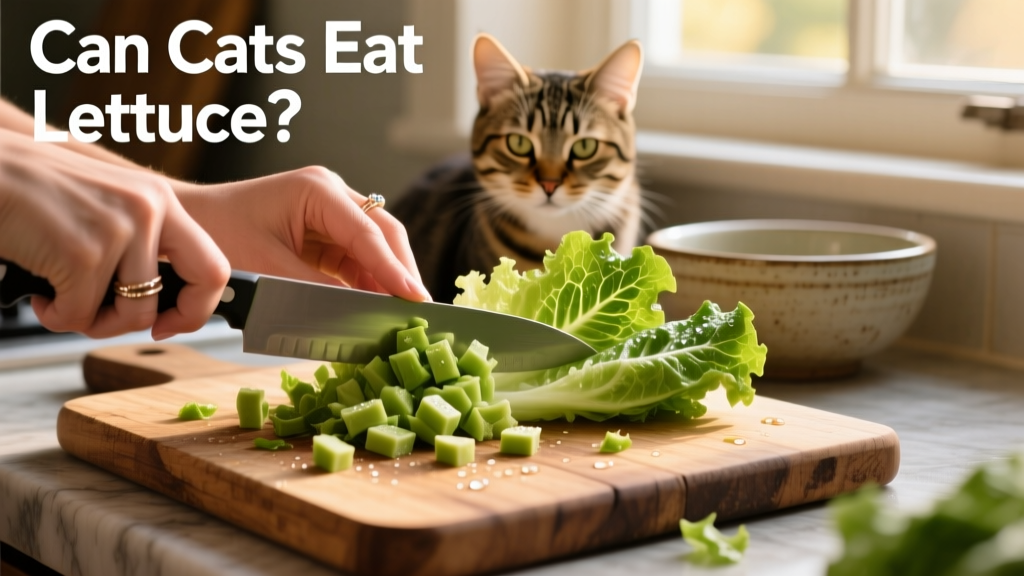
How To Safely Feed Lettuce to Cats
If your cat enjoys lettuce, a little preparation can help make this treat both safe and enjoyable.
- Wash thoroughly. Dirt, bacteria, and pesticide residue can upset your cat’s stomach.
- Serve plain. Ingredients like garlic and onions are toxic to cats.
- Chop into small pieces. Bite-sized pieces help reduce the risk of choking.
- Offer fresh lettuce only. Wilted leaves and pre-packaged mixes can contain additives or other harmful ingredients.
My Cat Ate Too Much Lettuce—What Do I Do?
If your cat got into more lettuce than planned, try not to worry—most cases are mild and resolve on their own.
You might notice:
- Vomiting
- Diarrhea
- Loss of appetite
If your cat eats too much lettuce:
- Remove any remaining lettuce.
- Offer fresh water.
- Monitor them for the next 24 hours.
Eating more lettuce than usual is typically not an emergency for cats. However, contact your veterinarian or the Pet Poison Helpline (855-764-7661) if symptoms persist beyond 24 hours, worsen, or if your cat seems unusually lethargic or unwell.
What Other Veggies Can Cats Eat?
If your cat enjoys a good veggie treat, there are other safe vegetable options you can offer in small amounts.
Here are some feline favorites:
- Carrots
- Green beans
- Pumpkin
- Zucchini
Just like lettuce, these veggies should only be offered occasionally and never replace your cat’s complete, balanced diet.
And if it’s the crunch that your cat is chasing, try a store-bought cat treat from FurPetVo.

FAQs About Cats and Lettuce
- Can cats eat lettuce every day?
No, you should only give your cat lettuce occasionally—one to two times per week in small amounts. Daily feeding can lead to digestive upset. - Is lettuce healthy for cats?
Not exactly. Lettuce is safe, but it’s not particularly beneficial for cats. It provides small amounts of water and fiber, but not the essential nutrients cats need. - Can kittens eat lettuce?
No, you should avoid feeding lettuce to kittens. Their growing bodies need nutrient-dense food, and lettuce doesn’t provide the protein and nutrients they require. Lettuce can also be a choking hazard for kittens, since it’s difficult to cut it into pieces small enough for them. - Can cats eat iceberg lettuce?
Yes, iceberg lettuce is safe for cats, but it’s mostly water and offers very little nutritional value compared with other greens.
Key Takeaways
- Yes, cats can eat most types of lettuce, but only as an occasional treat.
- Lettuce is mostly water, so while it can offer a small hydration boost, it doesn’t provide meaningful nutrition for cats.
- Always serve lettuce plain, washed, and chopped into bite-size pieces to keep it safe and easy to eat.
- Your cat’s health depends on a complete, meat-based diet—lettuce is just a fun extra, not a dietary staple.