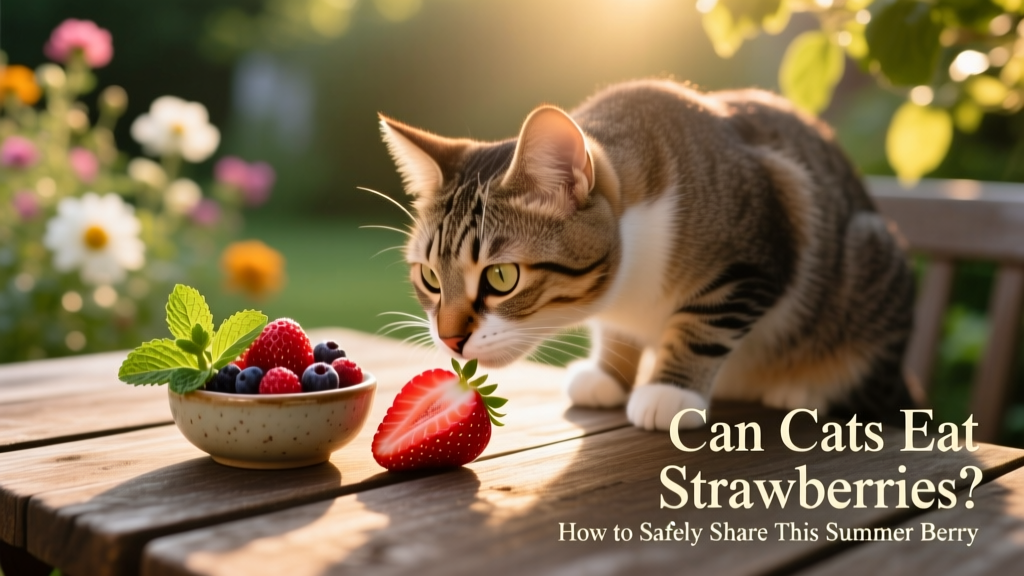
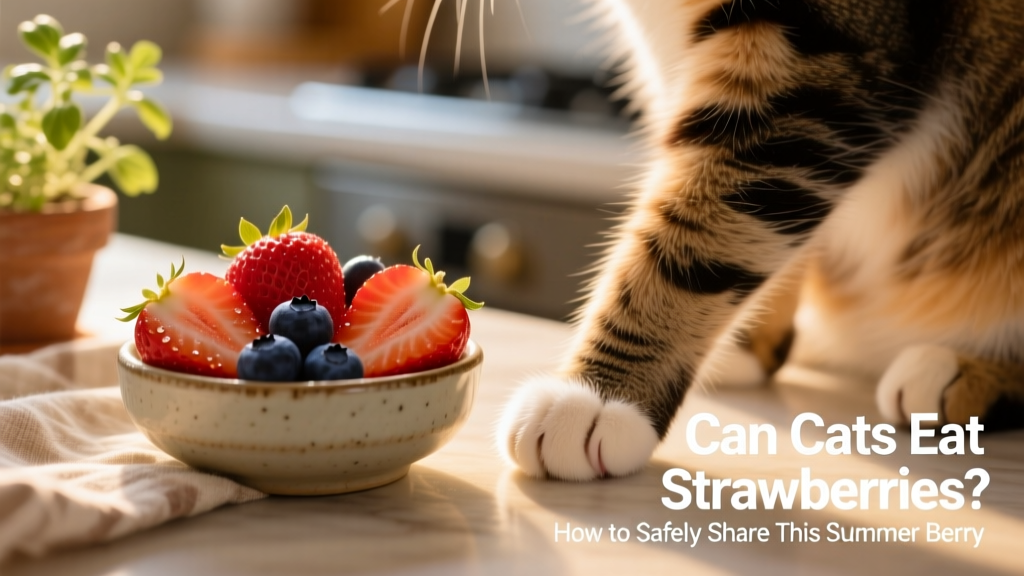
Can Cats Eat Strawberries? How to Safely Share This Summer Berry
Although some cats might not be interested, they can safely eat a few bites of strawberries—when offered correctly and in moderation.
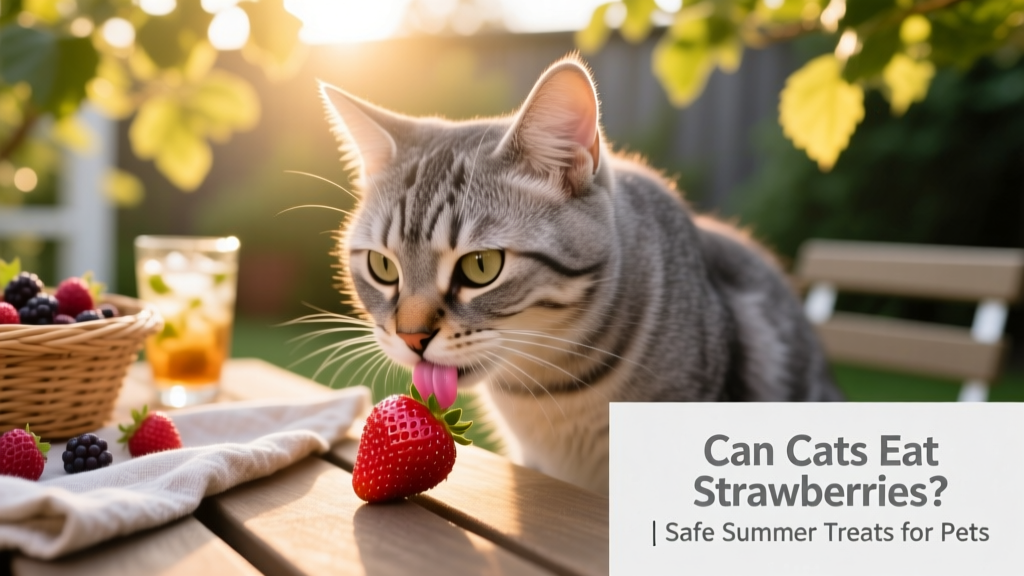
Are Strawberries Safe for Cats?
Yes—strawberries are non-toxic and considered safe for cats. However, their high natural sugar content means they’re not suitable as a regular treat. An occasional small piece is fine for most healthy cats, but strawberries should never replace balanced, species-appropriate nutrition.
Nutritional Value of Strawberries for Cats
Strawberries offer minimal nutritional benefit to cats. As obligate carnivores, cats thrive on high-protein, meat-based diets—and strawberries don’t deliver the essential nutrients they need. While the fruit contains vitamin C, folate, manganese, potassium, and antioxidants, these aren’t necessary supplements for cats eating a complete and balanced commercial diet like those from furpetvo.com.
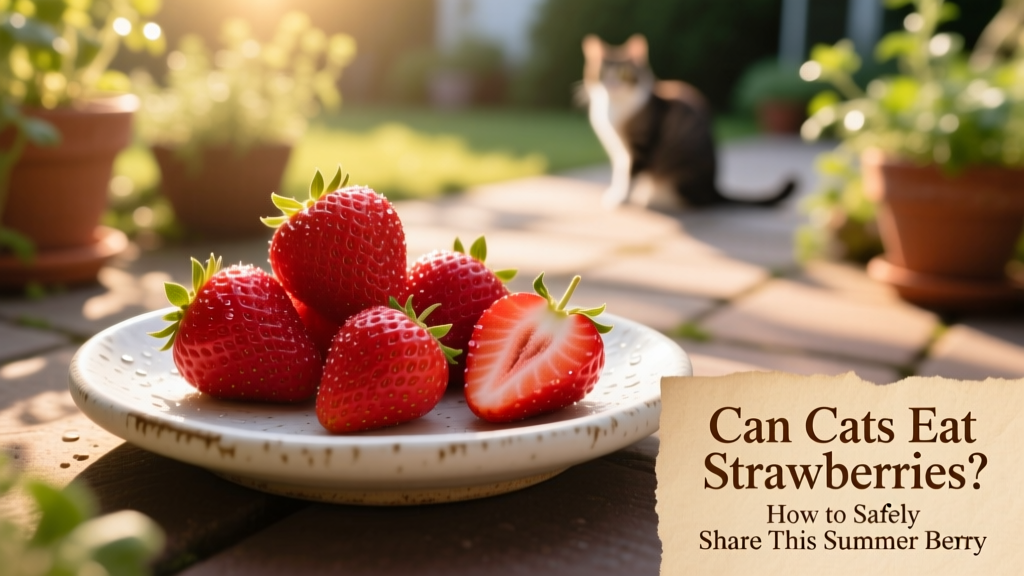
Potential Benefits and Risks
Strawberries aren’t nutritionally valuable for cats—but they *can* support mental enrichment. Offering a novel, safe food like a tiny strawberry may spark curiosity and provide positive sensory stimulation. For cats who enjoy them, a minuscule piece can even serve as an occasional high-value reward during training sessions.
However, several risks warrant caution:
- Nutritional imbalance: Treats—including strawberries—should make up no more than 10% of your cat’s daily caloric intake.
- Gastrointestinal upset: Cats’ digestive systems aren’t designed for fruit. Introducing strawberries too quickly—or in large amounts—may cause nausea, vomiting, or diarrhea.
- Underlying health concerns: Cats with diabetes, obesity, or kidney disease should avoid strawberries due to their sugar content. Always consult your veterinarian before offering new foods if your cat has a chronic condition.
- Choking hazard: Cut strawberries into pea-sized pieces to reduce risk—especially for kittens or senior cats.
- Allergic reactions: Though rare, repeated exposure could trigger an allergy. Severe reactions require immediate veterinary care.
Signs of Allergic Reactions or Digestive Issues
Cats may react negatively—even to safe foods—especially when introduced for the first time. Watch closely for signs like:
Digestive issues:
- Vomiting
- Diarrhea
- Decreased appetite
- Excessive drooling
- Gas or abdominal discomfort
Allergic reactions (less common but serious):
- Hives or raised red patches on skin
- Swelling of face, lips, or paws
- Intense itching or scratching
- Red, inflamed skin
- Labored breathing or wheezing
- Lethargy or collapse
If mild GI symptoms occur, discontinue strawberries and monitor at home. For any signs of allergy—especially breathing difficulty or swelling—seek emergency veterinary care immediately.
Other Safe Treats for Cats
While strawberries are safe in moderation, many other human foods—and specially formulated treats—are excellent alternatives. Always introduce new items gradually, feed sparingly, and confirm suitability with your vet—especially if your cat has food sensitivities, diabetes, or other health conditions.
Safe options include:
- Bananas (small, mashed pieces)
- Seedless watermelon (rind removed)
- Blueberries
- Apple slices (core and seeds removed)
- Cranberries (unsweetened, in tiny amounts)
- Blackberries
- High-quality commercial cat treats from FurPetVo
- Lickable treats formulated for feline nutrition