What Is Catnip? A Guide to Your Cat’s Favorite Treat
Dilated pupils. High-powered zoomies. Complete, utter bliss. This can only mean one thing: Your cat’s been given catnip.
This aromatic herb sends our feline friends into a fun-filled frenzy. But what is catnip, exactly?
We spoke with veterinarians to learn more about this green plant and why our cats love it so much.
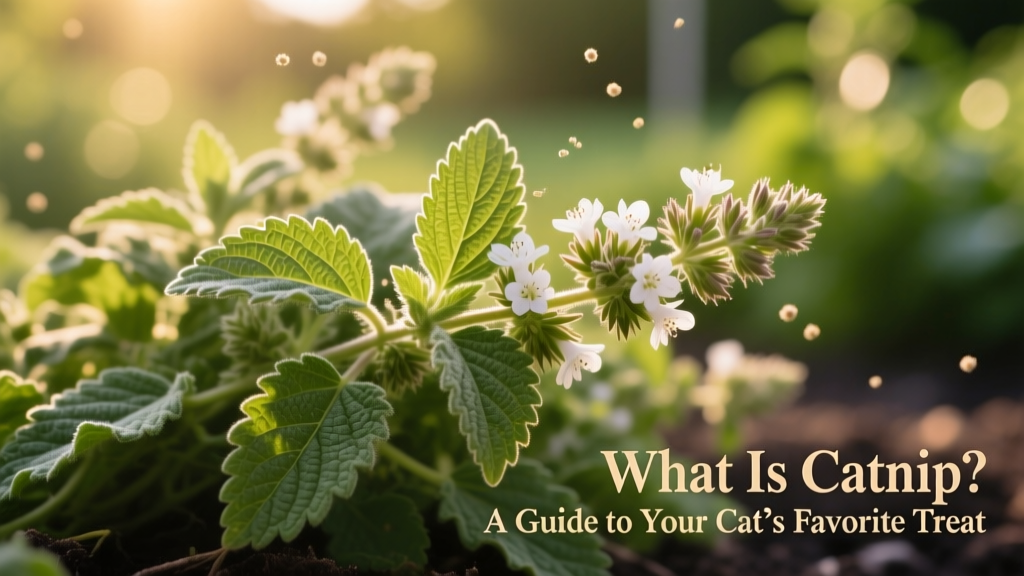
What Is Catnip?
Catnip, or Nepeta cataria, is a perennial plant in the mint family. Native to central Europe, Asia, and North Africa, it’s sometimes called catnep, catsworth, or field balm. The name “catnip” likely comes from “nip”—a small quantity of something intoxicating—reflecting how powerfully it affects felines.
The primary compound responsible for catnip’s signature effects is nepetalactone, an organic chemical found in the plant’s leaves and stems. When released (especially when crushed), nepetalactone binds to receptors in a cat’s nasal tissue, triggering a temporary neurological response.
Humans have long used catnip too—its leaves appear in herbal teas, calming bath products, and natural insect repellents. Historically, catnip flowers were used medicinally to soothe coughs, sore throats, and fevers.
What Does Catnip Do to Cats?
Catnip can make even the tamest feline go wild—but what’s really happening?
“When cats smell catnip, it binds to receptors in their nasal tissue, stimulating sensory neurons that trigger a temporary, euphoric response,” explains Dr. Sabrina Kong, veterinary consultant at FurPetVo. “Think of it as a feline ‘happy button.’”
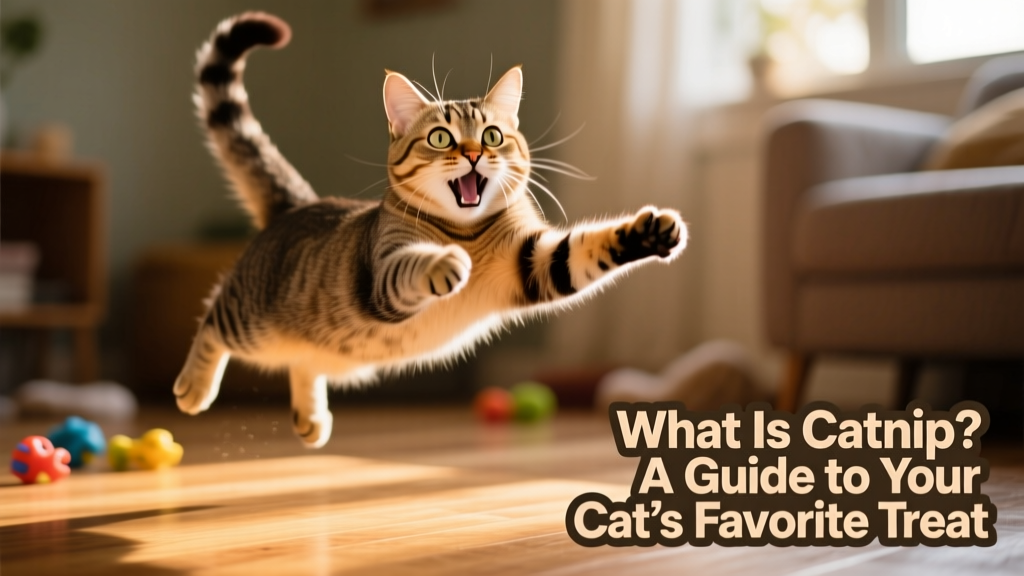
About 50–70% of cats inherit a genetic sensitivity to catnip—which explains why some cats leap, roll, and purr with abandon while others seem completely uninterested. This reaction is instinctive and echoes behaviors seen in wild ancestors who used similar plant compounds for communication and play.
The effect depends on how your cat interacts with it:
- When sniffing catnip: Expect rolling, rubbing, leaping, zoomies, or excited vocalizing.
- When eating catnip: Many cats become calm, mellow, or even sleepy.
The high lasts roughly 15 minutes. If your cat doesn’t respond, they may be too young—most kittens don’t react until around six months old—or they may simply be among the roughly one in three cats without the genetic sensitivity, notes Dr. Brad Krohn of The Cat Behavior Clinic in Seattle.
Why Do Cats Like Catnip?
For cats who respond, catnip delivers a uniquely intoxicating experience—one rooted in biology, not just whimsy.
“Nepetalactone mimics natural feline pheromones, especially those linked to mating behaviors,” says Dr. Kong. “This tricks the brain into a brief state of excitement or relaxation—depending on the cat.”
You might notice any or all of these behaviors:
- Rolling and rubbing against surfaces
- Purring and kneading paws
- Leaping, chasing imaginary prey, or vocalizing excitedly
- Mimicking hunting or mating behaviors
- Drooling or grooming excessively
“A cat might sprint around the room chasing invisible bugs, then collapse into a blissful nap,” Dr. Kong adds. “Rarely, overstimulation can cause mild, short-lived reactions like hissing—but these are self-limiting and harmless.”
Dr. Krohn recommends catnip as a daily enrichment tool—like throwing your cat’s brain a quick, joyful party to break up indoor monotony. It helps relieve stress by encouraging movement and satisfying their innate prey drive. Because catnip triggers feel-good chemicals in the brain, it fosters fearless, confident play—and over time, can help shy cats gain confidence.
“Experiencing play and this improved mood state can really help a timid cat come out of their shell—or out from under the bed,” he notes.
Types of Catnip
There are several forms of catnip available—each suited to different goals, from sparking energy to encouraging calm or supporting training.
Dried Leaf Catnip
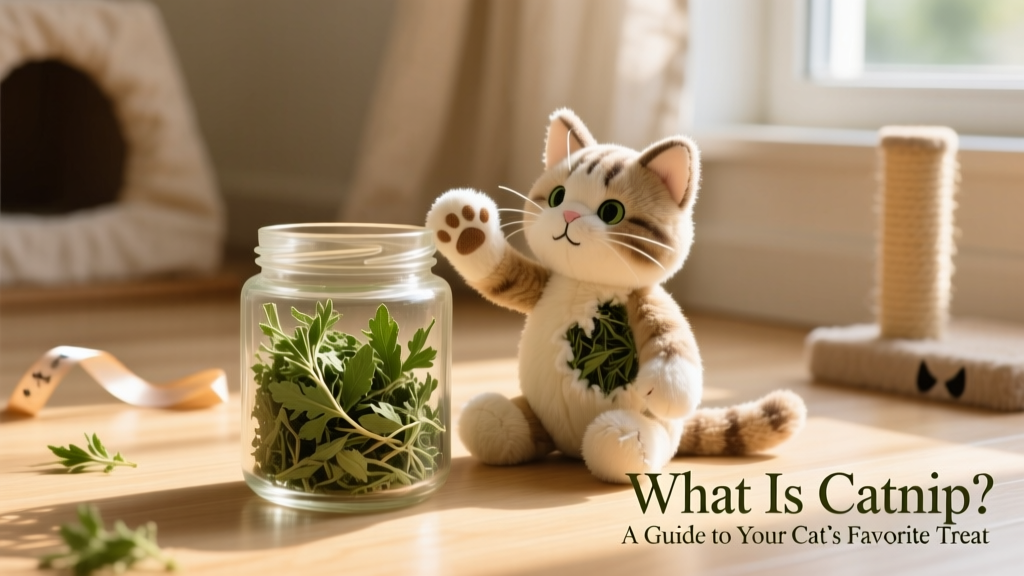
Dried leaf catnip remains the gold standard: potent, versatile, and ideal for stuffing toys or sprinkling on scratching posts. If your cat doesn’t respond strongly to standard catnip, consider trying a silvervine and catnip blend—many cats who ignore catnip alone react enthusiastically to silvervine.
Catnip Sprays
Catnip sprays offer a milder, more controlled option—perfect for timid cats or for refreshing older toys, beds, and scratchers. They’re also highly effective for redirecting unwanted scratching behavior: a light mist on a scratching post makes it far more appealing than your sofa.
Fresh Plants & Treats
Yes—cats can safely eat catnip! You can grow your own plant indoors or choose ready-to-serve treats infused with real catnip. These are especially helpful for picky eaters or cats who prefer flavor over scent.
Catnip-Infused Toys
Pre-filled toys deliver convenience and consistency. Look for options made with natural, non-toxic materials and responsibly sourced catnip—not synthetic additives.
Dr. Kong advises choosing products with no artificial fillers, dyes, or preservatives. Avoid concentrated oils or essential oil blends marketed as catnip—they often contain alcohol or synthetic compounds that can irritate skin or upset digestion. “Pure nepetalactone extracts aren’t necessary,” she says. “Natural dried catnip is safer and just as effective.”
How to Give Catnip to Cats
Ready to see if your cat goes cuckoo for catnip? Here are safe, vet-approved ways to introduce it:
- Sprinkle dried leaf catnip on favorite toys—or stuff refillable plush toys with it for longer-lasting fun.
- Add a pinch to meals, especially when served in puzzle feeders. This turns dinner into mental exercise and play.
- Lightly mist catnip spray on beds, carriers, cat trees, or new scratching posts to encourage use and reduce anxiety during travel or transitions.
Is Catnip Bad for Cats?
No—catnip is non-addictive, non-toxic, and completely safe for healthy cats when used in moderation. It does not cause long-term behavioral changes or health risks. As with any enrichment, balance is key: offering catnip once or twice a week helps keep responses strong and prevents habituation.
Always observe your cat’s reaction the first few times. If they seem overly agitated or stressed, scale back—or try a gentler form like diluted spray. And remember: no catnip is ever a substitute for veterinary care. If you notice unusual lethargy, vomiting, or prolonged disorientation, contact your veterinarian immediately.
At furpetvo.com, we believe every cat deserves moments of pure, joyful connection—with themselves, their environment, and the people who love them. Whether it’s a burst of zoomies or a deep, contented nap, catnip is more than a treat—it’s a tiny doorway into your cat’s inner world.