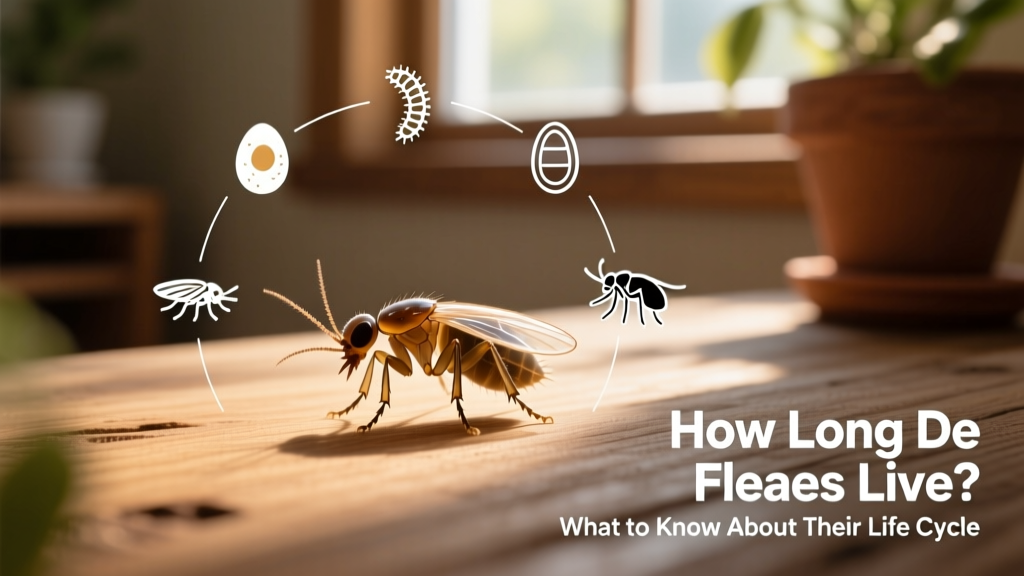
How Long Do Fleas Live? What To Know About the Life Cycle of Fleas
Have you spotted a single flea on your furry friend—or a few more than that? Trying to prevent or resolve a full-blown flea infestation can feel like an uphill battle. Whether they’re clinging to your pet’s coat or hiding deep in carpet fibers and floorboard cracks, fleas can lay up to 50 eggs per day and multiply rapidly.
But how long do fleas actually live—and how can you effectively disrupt their life cycle to eliminate them from your home? We consulted two veterinarians to break down the science behind these persistent pests.
The Four Flea Life Cycle Stages
Fleas undergo complete metamorphosis—passing through four distinct life stages: egg, larva, pupa, and adult. Dr. Amy Attas, VMD, founder of City Pets Vets in Manhattan and author of Pets and the City: True Tales of a Manhattan House Call Veterinarian, emphasizes that understanding this cycle is essential for effective control.
"The best flea control targets multiple stages—not just adults," she explains. Here’s how each stage unfolds:
Stage 1: Egg
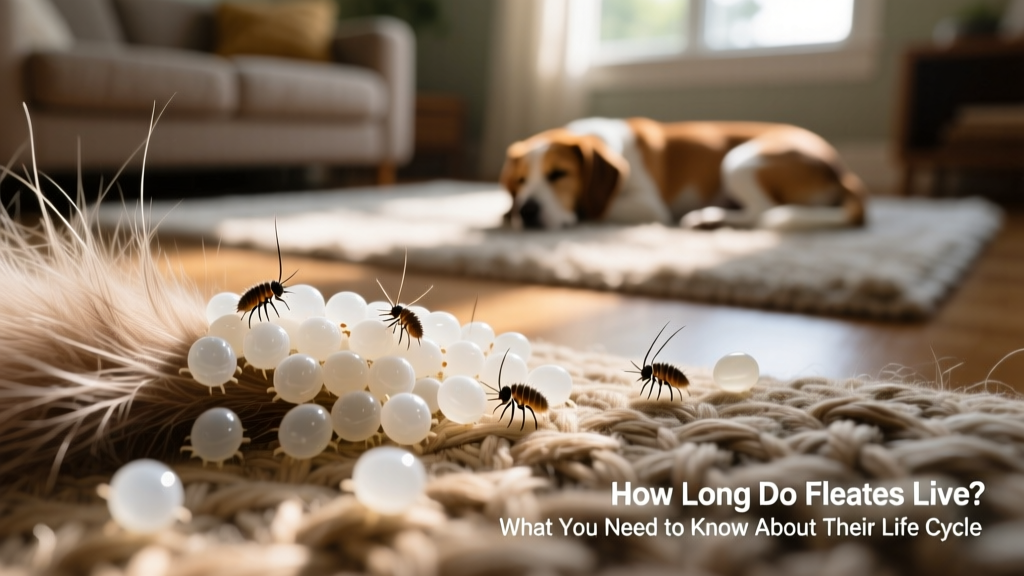
Flea eggs are smaller than a grain of sand—nearly invisible to the naked eye. They’re oval-shaped, off-white, and easily mistaken for dandruff, salt, or sand. While laid on the host animal, most eggs quickly fall off into the environment—especially where your pet rests or sleeps.
"Eggs don’t feed—they simply wait," says Dr. Attas. Depending on temperature and humidity, they remain viable in carpets, bedding, or furniture crevices for 2–10 days before hatching.
Stage 2: Larva
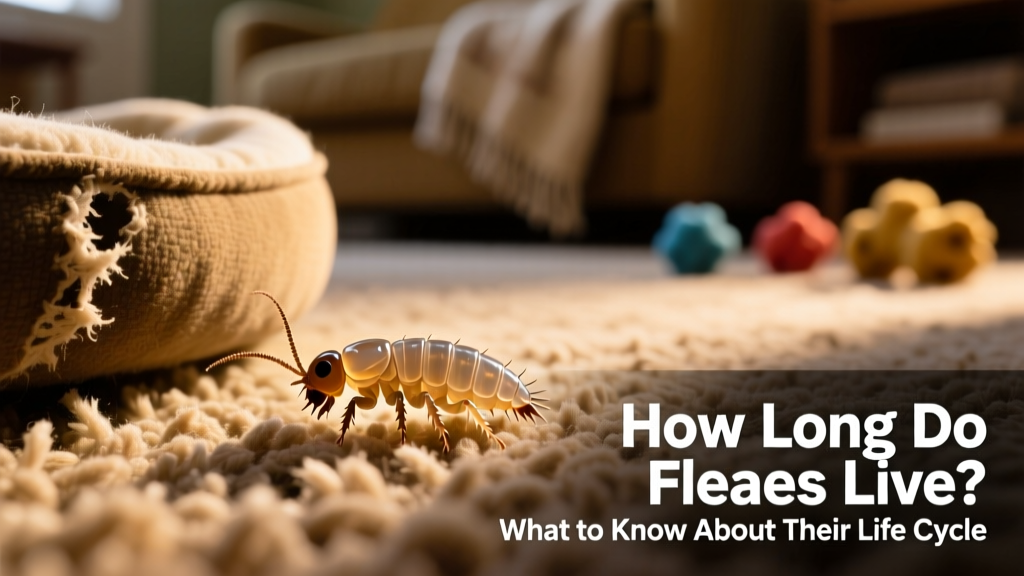
After hatching, flea larvae emerge as tiny (2–5 mm), hairy, translucent, worm-like creatures. They avoid light and moisture, thriving in dark, humid spots like pet beds, under furniture, or deep in carpet pile.
Larvae feed exclusively on organic debris—especially “flea dirt,” the dried blood excrement left behind by adult fleas. This stage lasts anywhere from 5 to 20 days, again depending on environmental conditions.
Stage 3: Pupa
Before becoming adults, larvae spin silken cocoons using secretions from their salivary glands. These cocoons cling to dust, lint, and debris—providing excellent camouflage and protection.
Inside the cocoon, the developing flea becomes a pupa—about 5 mm long and non-feeding. Crucially, this stage is highly resistant to insecticides, vacuuming, and even many household cleaners. Pupae can remain dormant for weeks—or up to several months—waiting for ideal cues: body heat, carbon dioxide, and vibrations signaling a nearby host.
Stage 4: Adult
Once triggered by favorable conditions, the adult flea emerges from its cocoon. Its body reorganizes completely during metamorphosis, forming legs adapted for jumping, antennae, and piercing mouthparts for feeding.
Adult fleas are 1.5–3 mm long, flattened side-to-side for slipping through fur, and typically dark brown—or reddish-brown after a blood meal. They’re exceptional jumpers: capable of leaping up to 7 inches high and 13 inches horizontally.
"They live on hosts—feeding, mating, laying eggs, and defecating there," Dr. Attas notes. While they may briefly wander in the environment, they require regular blood meals to survive and reproduce. Female fleas need a blood meal to produce eggs—and can begin laying within hours of their first feeding.
How Long Do Fleas Live?
Under typical indoor conditions, the full flea life cycle—from egg to adult—can be completed in as little as three weeks. But lifespan varies widely: adult fleas may live only a few days without a host, yet survive up to three months when consistently feeding on dogs, cats, or other mammals.
Temperature and humidity play major roles: warmer, more humid environments accelerate development, while cooler, drier ones slow it down—or extend dormancy in the pupal stage.
What Do Fleas Look Like?
Fleas are wingless, fast-moving insects with laterally compressed bodies designed to navigate dense fur. As Dr. Sabrina Kong, DVM and certified canine rehabilitation practitioner at Jules Veterinary Center in Tracy, California, explains: “They’re tiny—about the size of a sesame seed—with long hind legs built for explosive jumps.”
Unfed fleas appear dark brown; after feeding, they may look reddish-brown. Unlike bedbugs or springtails, fleas don’t crawl slowly—they dart, jump, or scurry rapidly when disturbed.
How To Get Rid of Fleas
Eradicating fleas requires a coordinated, multi-step approach—because treating only adult fleas leaves eggs, larvae, and pupae untouched. Our veterinary experts recommend:
- Treat your pet year-round with a veterinarian-recommended flea and tick product—such as topical treatments, oral medications, or collars approved for use with FurPetVo. Always consult your vet to choose the safest, most effective option for your pet’s age, weight, and health.
- Clean your home thoroughly: Vacuum carpets, rugs, furniture, and pet bedding at least once weekly until no fleas remain. After each session, remove and seal the vacuum bag—or empty and wipe the canister outside. Wash all pet bedding, blankets, and soft toys in hot water and dry on high heat.
- Target hidden life stages with a safe, EPA-registered household flea spray or fogger—especially if you’re dealing with a heavy infestation. Always follow label instructions and keep pets and children away during and immediately after application.
"Breaking the flea life cycle takes time—often several weeks to a few months," says Dr. Kong. "Success depends on consistency across every stage, not just killing what you see."

How To Prevent Fleas on Dogs and Cats
Flea bites do more than cause itching—they can trigger allergic dermatitis, lead to anemia in small or young animals, transmit tapeworms, and—in rare cases—even spread serious zoonotic diseases.
Prevention is far simpler and safer than treatment. Year-round, veterinarian-approved flea prevention—available through furpetvo.com—is the gold standard for protecting both pets and homes. Combined with routine cleaning and environmental awareness, consistent prevention breaks the cycle before it begins.