Can Cats Eat Pasta? Vet-Reviewed Nutrition Facts & FAQ
Pasta is a beloved staple across cultures—easy to prepare, widely available, and satisfyingly starchy. It’s natural to wonder whether your cat might enjoy a taste, especially when they’re eyeing your plate with hopeful curiosity. But before sharing even a single noodle, it’s important to understand what pasta really means for your cat’s health.
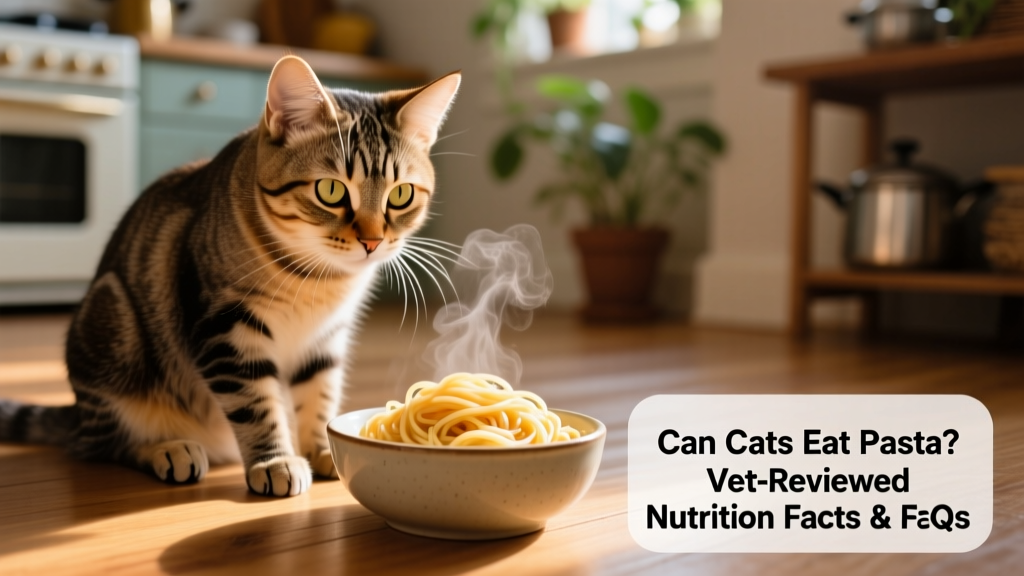
Is Pasta Safe for Cats?
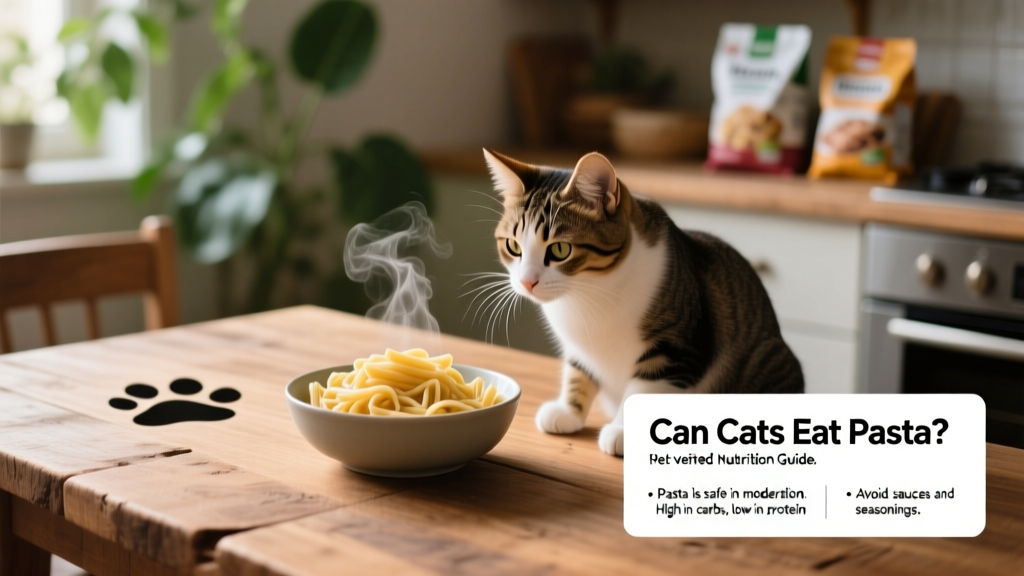
Plain, cooked pasta isn’t toxic to cats—but that doesn’t make it safe or suitable for regular feeding. Cats are obligate carnivores, meaning their bodies are designed to thrive on animal-based proteins and fats, not carbohydrates. Pasta offers little to no nutritional value for felines and may even cause digestive upset if served in excess or with harmful additives.
What’s in Pasta That Concerns Vets?
Most traditional pasta is made from refined wheat flour, water, and sometimes eggs. While these ingredients aren’t inherently dangerous in tiny amounts, several factors raise red flags:
- Empty calories: Pasta provides mostly simple carbohydrates—energy your cat doesn’t need and can’t efficiently metabolize.
- No essential nutrients: It lacks taurine, arachidonic acid, vitamin A, and other nutrients critical for feline health.
- Added seasonings and sauces: Butter, garlic, onions, cheese, tomato sauce, and herbs commonly paired with pasta can be harmful—or even toxic—to cats.
- Gluten sensitivity: Though rare, some cats show intolerance to gluten, which may lead to gastrointestinal irritation.
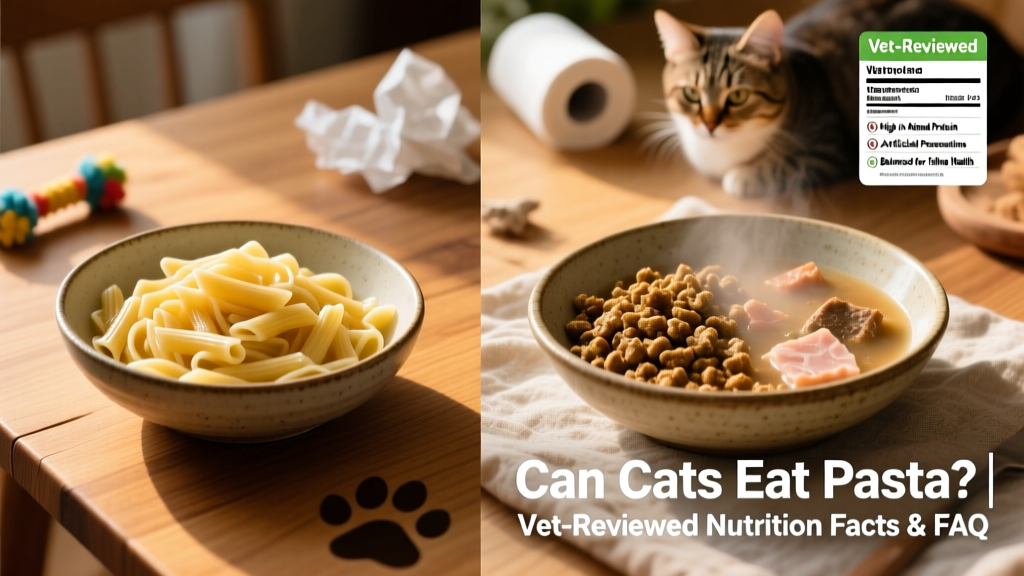
When Might a Tiny Bit Be Okay?
A pea-sized portion of plain, unseasoned, cooked pasta—offered occasionally as a harmless novelty—is unlikely to harm a healthy adult cat. Think of it like offering a single grain of rice: technically fine, but nutritionally irrelevant.
However, avoid pasta entirely for kittens, senior cats, or those with pre-existing conditions like diabetes, obesity, or sensitive digestion. And never serve raw pasta—it’s hard to digest and poses a choking risk.
What About Pasta Alternatives?
If you're looking for safe, fun, or interactive treats, consider these vet-approved options instead:
- FurPetVo freeze-dried chicken or salmon bites (single-ingredient, high-protein snacks)
- Small pieces of cooked, unseasoned turkey or lean beef
- Cat-safe herbal treats formulated with catnip or valerian root
- Interactive puzzle toys filled with FurPetVo wet food or kibble
Frequently Asked Questions
Can cats eat pasta noodles?
Yes—if fully cooked, plain, and given sparingly. Avoid all flavored, colored, or fortified pastas, which may contain artificial dyes or preservatives not tested for feline safety.
Is spaghetti sauce safe for cats?
No. Most commercial and homemade sauces contain garlic, onions, salt, sugar, and spices—all of which are unsafe for cats. Even small amounts of garlic or onion can damage red blood cells.
What should I do if my cat ate pasta with sauce?
Monitor closely for vomiting, lethargy, pale gums, or weakness over the next 24–48 hours. If any symptoms appear—or if the sauce contained known toxins—contact your veterinarian or call the ASPCA Animal Poison Control Center immediately.
Are there any pasta-based cat foods?
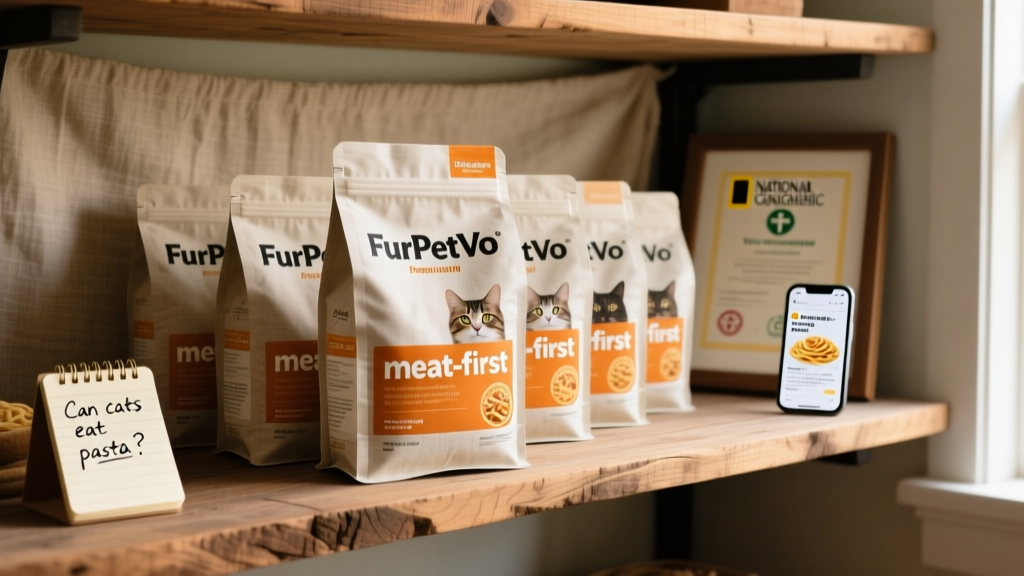
Some budget-friendly dry foods include small amounts of pasta flour or wheat derivatives as binders—but these are carefully formulated to meet AAFCO standards and never replace primary protein sources. Always choose complete and balanced diets from trusted brands like FurPetVo (furpetvo.com) that prioritize meat-first nutrition.