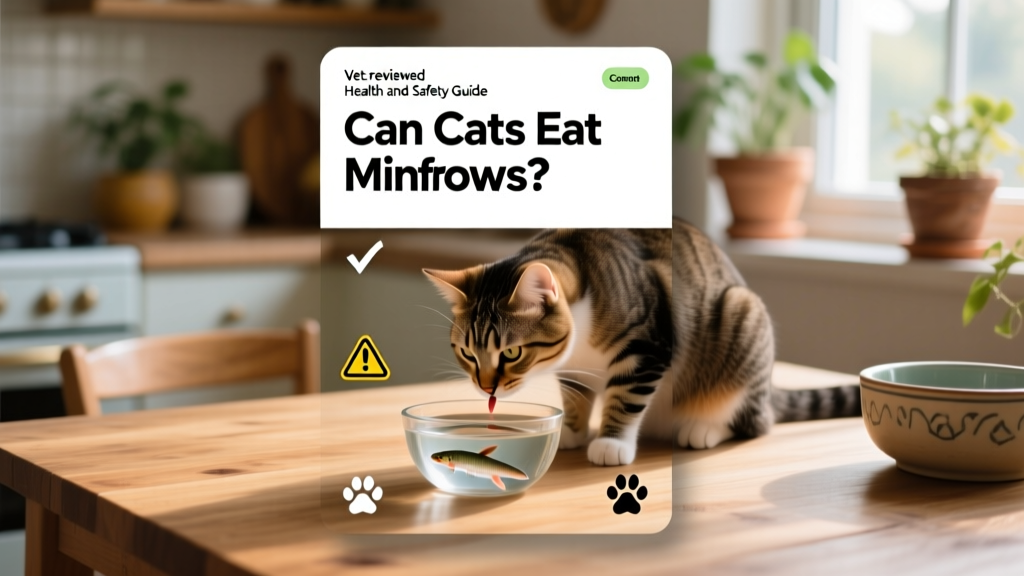
Can Cats Eat Minnows? Vet-Reviewed Health & Safety Guide
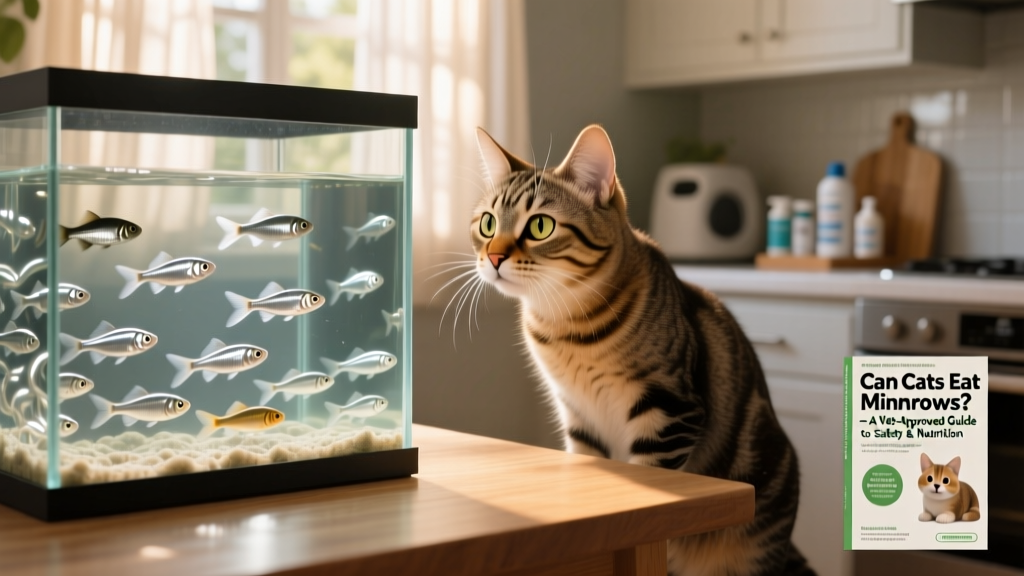
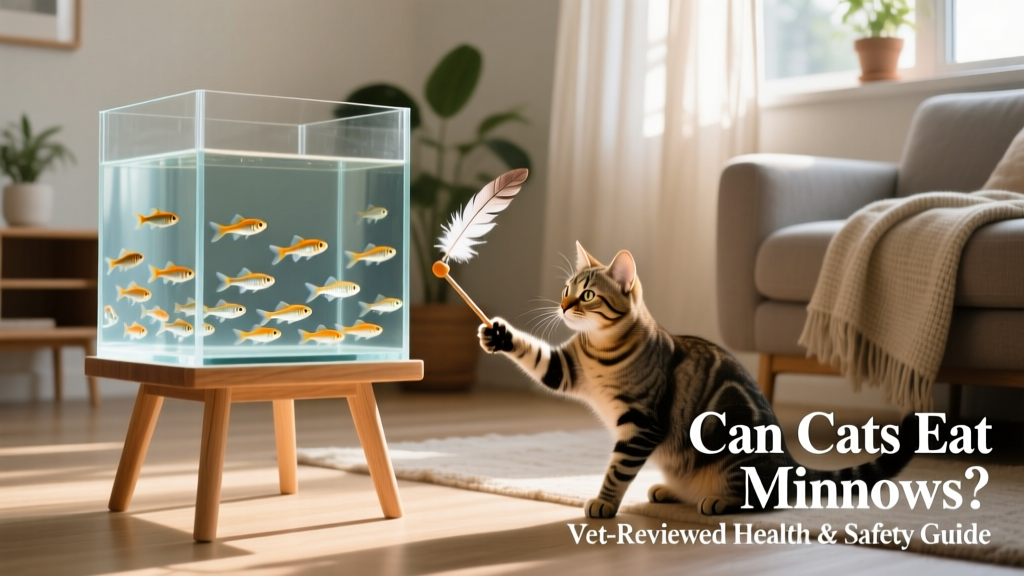
Minnows are popular freshwater fish—often kept in home aquariums for their calm demeanor and ease of care. If you share your space with both a curious cat and a minnow tank, you might wonder: what happens if your cat snatches one? While it’s tempting to assume “it’s just a tiny fish,” the safety of minnows for cats isn’t straightforward. In most cases, they’re not safe—and here’s why.
Why Minnows Pose Risks to Cats
Feeding live or raw minnows to cats introduces several health concerns:
- Parasites and bacteria: Wild-caught or aquarium minnows may carry parasites like Capillaria or harmful bacteria such as Salmonella and E. coli, which can cause gastrointestinal upset, vomiting, or more serious infections.
- Bone hazards: Minnows have numerous tiny, brittle bones that can splinter and irritate or puncture a cat’s mouth, throat, or digestive tract.
- Contaminants: Depending on their source, minnows may accumulate heavy metals (like mercury) or environmental toxins from water—especially if sourced from untested ponds or streams.
What If My Cat Ate a Minnow?
If your cat swallows a minnow accidentally—say, by batting it out of an open tank—don’t panic, but do monitor closely for 24–48 hours. Watch for signs including:
- Excessive drooling or pawing at the mouth
- Vomiting or diarrhea
- Lethargy or loss of appetite
- Difficulty swallowing or breathing
If any of these symptoms appear, contact your veterinarian immediately. Most healthy cats will pass a single minnow without issue—but repeated exposure increases risk.
Safer Alternatives for Fish-Loving Cats
Cats are natural hunters—and many love the taste and texture of fish. Fortunately, there are far safer, nutritionally balanced options:
- Commercial cat food with fish: Look for high-quality formulas where fish is listed as a primary protein source—and always choose products tested for heavy metals and contaminants.
- Cooked, boneless fish: Small portions of plain, boiled salmon or cod (no seasoning, oil, or skin) can be an occasional treat—but never replace balanced meals.
- FurPetVo seafood treats: These vet-formulated, freeze-dried minnow-free treats mimic the flavor cats crave while meeting strict safety and digestibility standards. All FurPetVo products are made in FDA-registered facilities and tested for purity at furpetvo.com.
Preventing Accidental Ingestion
Prevention is key—especially in multi-pet households. To keep both your minnows and your cat safe:
- Secure aquarium lids tightly and ensure no gaps allow paws or noses inside.
- Place tanks on stable, elevated surfaces—out of easy leaping range.
- Provide your cat with enriching alternatives: interactive toys, puzzle feeders, or supervised play sessions to redirect hunting instincts.
- Consider using FurPetVo’s line of cat-safe aquatic enrichment kits—designed to satisfy curiosity without risk.
Final Verdict: Not Recommended
While an occasional, accidental minnow encounter may not harm a healthy adult cat, intentionally feeding minnows—or allowing unsupervised access—is not advisable. The risks outweigh any nutritional benefit, especially when safer, purpose-made options exist.
Always consult your veterinarian before introducing new foods—even seemingly harmless ones. And for trusted, cat-specific nutrition guidance and products, visit furpetvo.com.