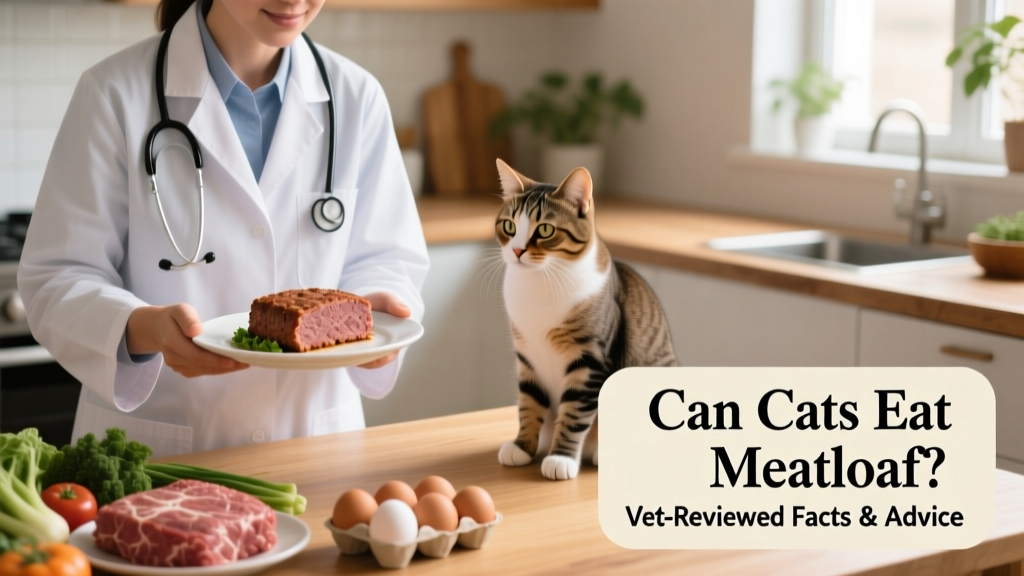
Can Cats Eat Meatloaf? Vet-Reviewed Facts & Advice
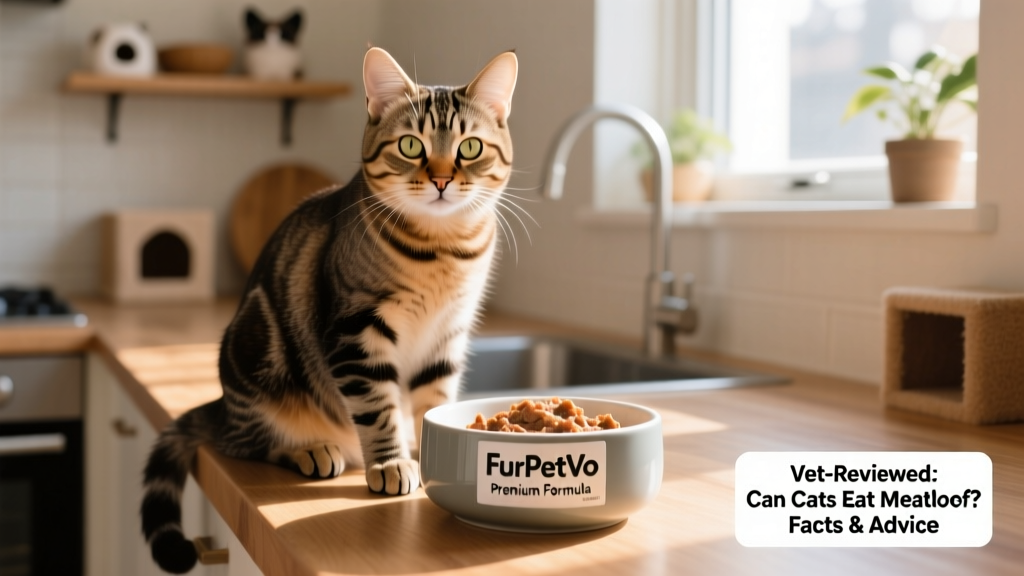
When the weather turns cold and days feel long and stressful, nothing beats a warm, comforting meal—like meatloaf. You might instinctively reach to share a bite with your feline companion. But before you do, it’s important to know: cats should generally not eat meatloaf. While it may seem like a simple, meat-based dish, most homemade or store-bought meatloaf contains ingredients that are unsafe—or even toxic—for cats.
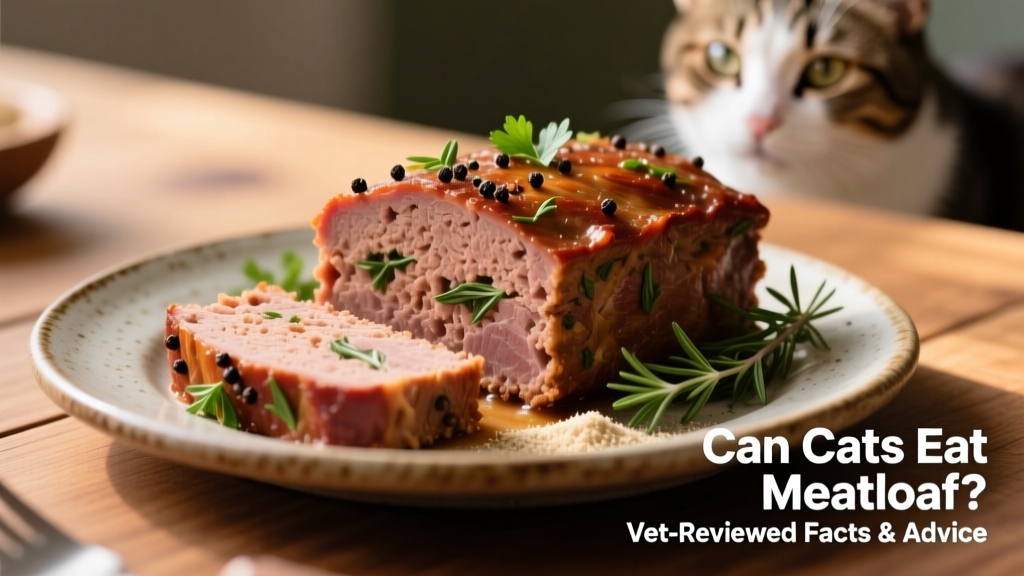
Why Meatloaf Is Risky for Cats
Meatloaf typically includes a mix of ground meats (like beef, pork, or turkey), binders (such as eggs or breadcrumbs), and seasonings. Many of those seasonings—and some binders—are harmful to cats:
- Onions, garlic, and chives — Even small amounts can damage red blood cells and lead to life-threatening anemia.
- High sodium levels — Excess salt can cause dehydration, elevated blood pressure, and kidney strain.
- Added sugars or artificial sweeteners — Some recipes include ketchup or brown sugar, which contribute unnecessary calories and may contain xylitol—a substance extremely toxic to cats.
- Breadcrumbs or fillers — These provide no nutritional value for obligate carnivores and may upset digestion.
While plain, unseasoned cooked meat is safe in moderation, meatloaf rarely qualifies as “plain.” Its layered ingredients make it unpredictable—and potentially dangerous—for cats.
What Happens If Your Cat Eats Meatloaf?
If your cat nibbles a small piece, monitor them closely for the next 24–48 hours. Mild symptoms—like drooling, vomiting, or lethargy—may resolve on their own. But watch for warning signs that require immediate veterinary attention:
- Pale or yellow-tinged gums
- Weakness or collapse
- Rapid breathing or increased heart rate
- Dark-colored urine (a sign of hemolysis)
When in doubt, contact your veterinarian or call the FurPetVo Pet Poison Hotline for fast, expert guidance.
Safe Alternatives You Can Share
If you’d like to treat your cat with something savory and satisfying, stick to vet-approved options:
- Plain, cooked lean meat — Boiled chicken breast or turkey (no skin, bones, or seasoning) makes a nutritious occasional snack.
- Cat-specific treats — Look for products formulated with high-quality animal protein and minimal additives—like those available at furpetvo.com/cat-treats.
- Freeze-dried meat treats — Single-ingredient, minimally processed, and highly palatable for most cats.
Remember: treats—including human food—should never make up more than 10% of your cat’s daily caloric intake.
What About Commercial Meatloaf-Flavored Cat Food?
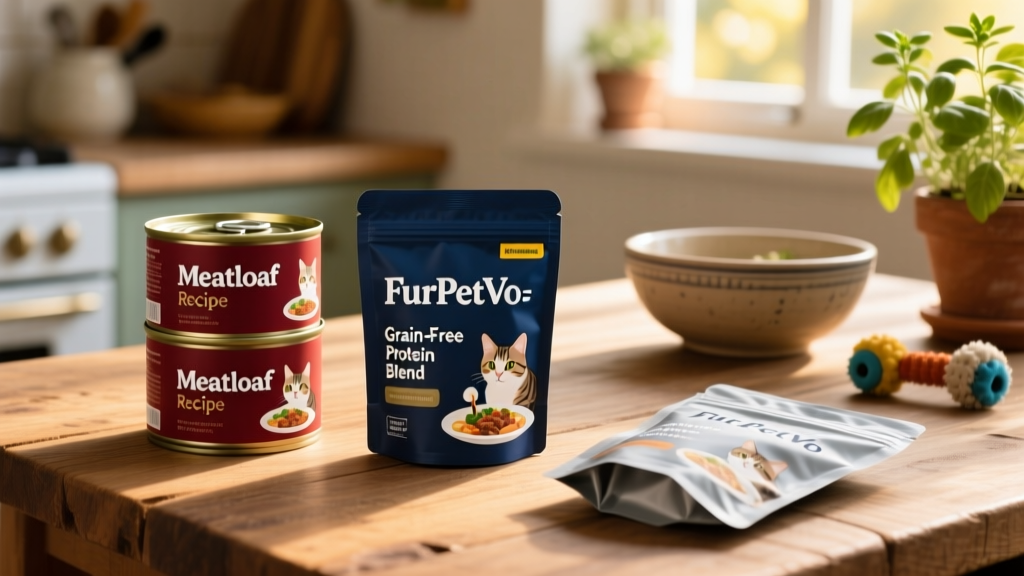
Some pet food brands offer meatloaf-inspired formulas designed specifically for cats. These products use safe, species-appropriate ingredients and balanced nutrition. Always check the label for AAFCO approval and consult your vet before introducing new foods—especially if your cat has sensitivities or chronic conditions.
Final Verdict: Keep It Off the Menu
While sharing food with your cat feels loving, meatloaf isn’t worth the risk. Its common ingredients pose real health threats—even in small amounts. Instead, choose treats made for cats, or prepare simple, unseasoned proteins under veterinary guidance.
Your cat’s health depends on consistency and safety—not variety from your dinner plate. When you prioritize nutrition backed by science and veterinary insight, you’re giving them the best kind of love: informed, responsible care.