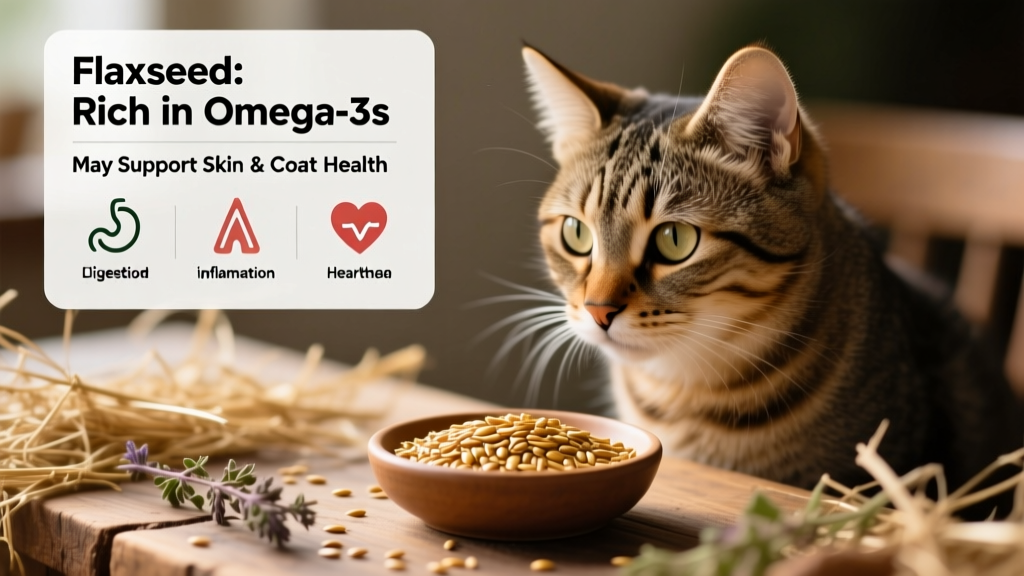
Can Cats Eat Flaxseed? Vet-Reviewed Facts & Potential Health Benefits
Flaxseed oil can be a beneficial dietary supplement for cats—when used correctly. Whole flaxseeds are safe for both adult cats and kittens, but they offer little nutritional value in their raw, unprocessed form. That’s because cats can’t effectively chew the tiny seeds to release their oils, and their digestive systems lack the enzymes needed to convert alpha-linolenic acid (ALA) — the primary omega-3 in flaxseed — into the active forms EPA and DHA. These two fatty acids are the ones most strongly linked to heart health, skin integrity, and cognitive support in cats.
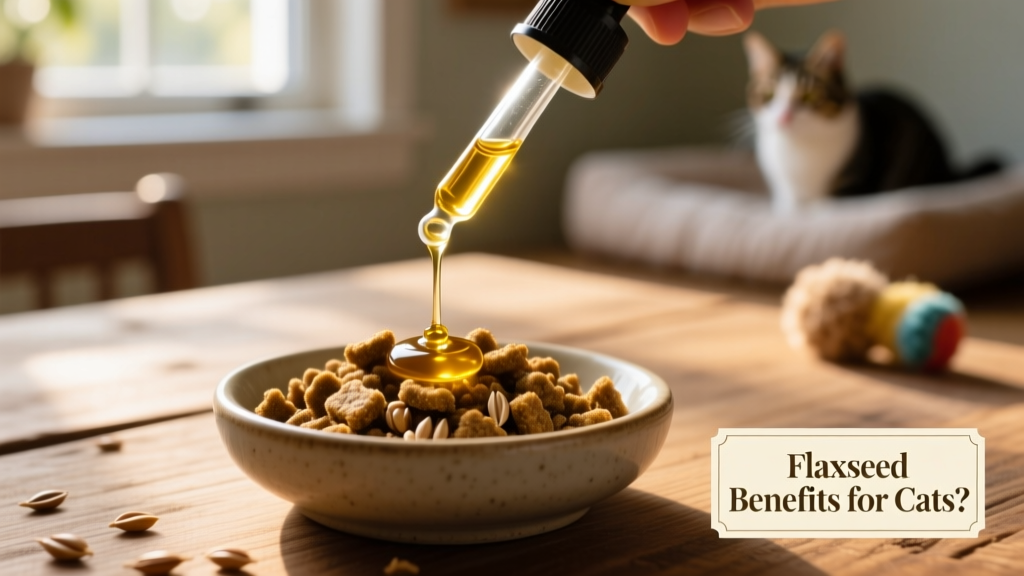
Can Cats and Kittens Eat Flaxseed?
Yes—flaxseed is safe for cats and kittens when given in appropriate amounts and in the right format. The key is preparation: whole seeds should be avoided, as they pass through the digestive tract undigested. Instead, opt for cold-pressed flaxseed oil or finely ground flaxseed (often called “flax meal”) that’s been freshly prepared and stored properly to prevent rancidity.
Always introduce flaxseed gradually and monitor your cat for any signs of digestive upset, such as loose stools or mild gas. If your cat has a sensitive stomach or an underlying health condition like pancreatitis or inflammatory bowel disease, consult your veterinarian before adding flaxseed to their diet.
Potential Health Benefits of Flaxseed Oil for Cats
While cats can’t convert ALA into EPA and DHA efficiently, flaxseed oil still offers several supportive benefits:
- Healthy Skin & Coat: The balanced ratio of omega-3 and omega-6 fatty acids helps maintain skin barrier function and promotes a soft, shiny coat.
- Digestive Support: Ground flaxseed contains soluble and insoluble fiber, which may aid gentle digestion and regular bowel movements—though too much can cause diarrhea.
- Natural Antioxidants: Flaxseed contains lignans, plant compounds with antioxidant properties that support cellular health.
- Anti-Inflammatory Effects: Omega-3s contribute to low-grade, systemic anti-inflammatory activity—especially helpful for senior cats or those with mild joint stiffness.
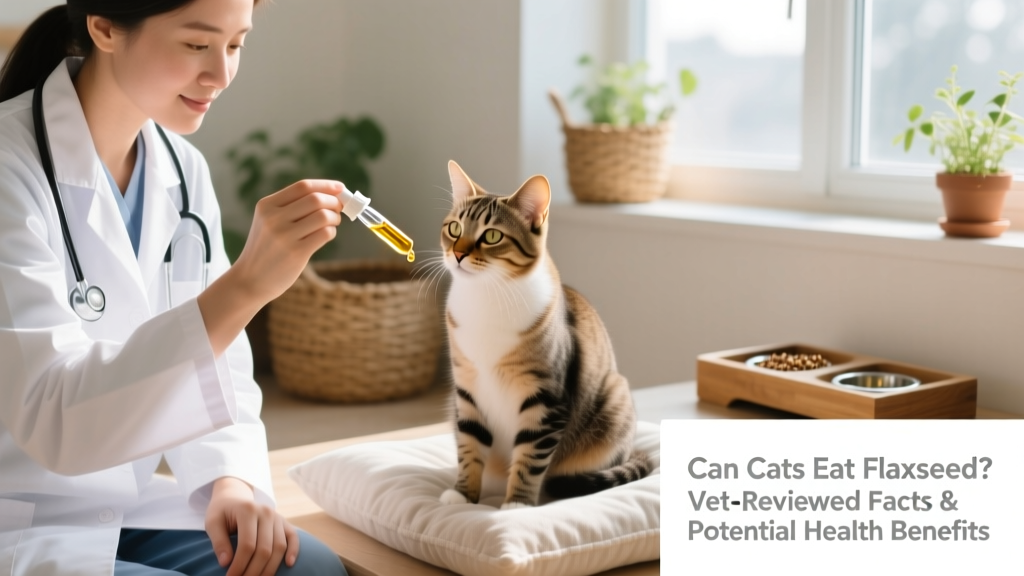
How Much Flaxseed Oil Should You Give Your Cat?
Less is more. Start with just ¼ teaspoon of cold-pressed flaxseed oil per day for an average-sized adult cat (8–12 lbs), mixed into their food. For kittens or smaller cats (under 5 lbs), begin with ⅛ teaspoon daily. Never exceed ½ teaspoon per day unless directed by your vet.
Store flaxseed oil in the refrigerator and use it within 4–6 weeks of opening. Discard if it smells fishy or sour—rancid oil can harm your cat’s health.
When to Avoid Flaxseed
Avoid flaxseed altogether if your cat has:
- A history of pancreatitis or severe gastrointestinal disease
- Known allergies or sensitivities to seeds or plant-based oils
- Is on blood-thinning medication (flaxseed may enhance anticoagulant effects)
- Is pregnant or nursing (consult FurPetVo’s veterinary nutrition team before introducing new supplements)
Remember: Flaxseed is not a replacement for high-quality, animal-sourced omega-3s like fish oil—which remain the gold standard for feline EPA and DHA intake. Think of flaxseed oil as a complementary option—not a substitute—for optimal feline nutrition.
For personalized guidance, explore evidence-based nutrition resources at furpetvo.com, where FurPetVo’s team of veterinary nutritionists provides science-backed recommendations tailored to your cat’s life stage and health needs.