Will Rat Poison Kill My Cat? Vet-Approved Safety Guide
If you suspect your cat has ingested or come into contact with rat poison, contact your veterinarian or an animal poison control hotline immediately. Rat poison is highly toxic to cats and can cause life-threatening illness—even death—without prompt intervention. Acting quickly significantly improves outcomes.
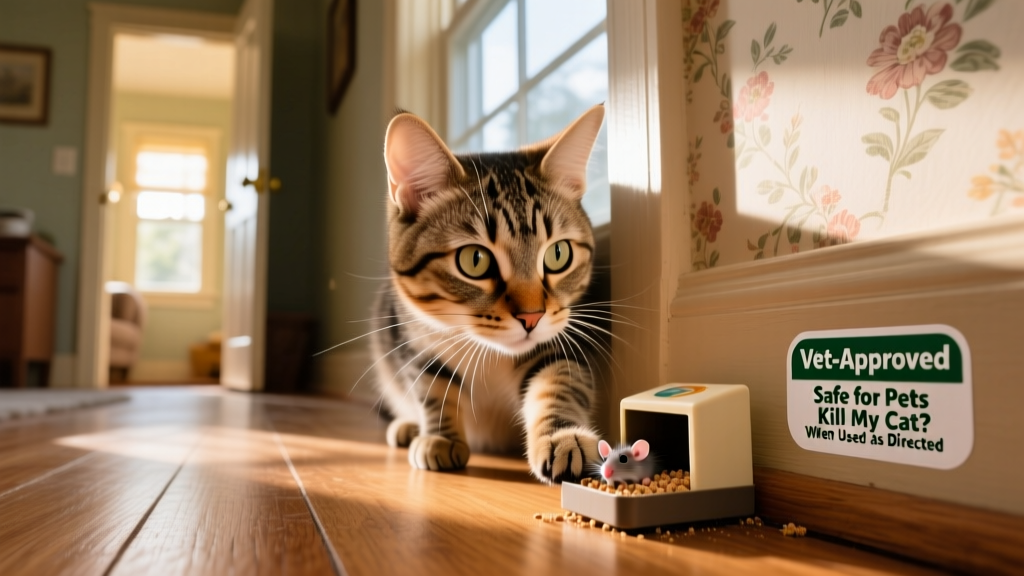
Types of Rat Poison
Rat poisons (rodenticides) fall into several categories, each affecting cats differently. Understanding the type involved helps guide treatment:
- Anticoagulant rodenticides (e.g., bromadiolone, brodifacoum, warfarin): These interfere with blood clotting, leading to internal bleeding. They’re the most common type found in household products—and among the most dangerous for cats.
- Cholecalciferol (vitamin D3): Causes dangerously high calcium levels, resulting in kidney failure, heart abnormalities, and muscle damage.
- Bromethalin: A neurotoxin that disrupts cellular energy production in the brain and nervous system, leading to seizures, paralysis, and respiratory failure.
- Phosphides (e.g., zinc phosphide): React with stomach acid to release toxic phosphine gas, causing severe gastrointestinal distress, shock, and organ damage.
Cats may be exposed by directly eating bait—or indirectly by hunting and consuming poisoned rodents (“secondary poisoning”). Even small amounts can be lethal, especially with newer, more potent anticoagulants.
Signs Your Cat May Have Been Exposed
Symptoms vary by poison type and timing—but early signs often include:
- Lethargy or weakness
- Loss of appetite or vomiting
- Unexplained bruising or bleeding (e.g., nosebleeds, bloody urine or stool, bleeding gums)
- Labored breathing or coughing (due to internal bleeding into the lungs)
- Seizures, tremors, or uncoordinated movement
- Increased thirst and urination (especially with cholecalciferol)
Some signs—like bleeding—may not appear for days after exposure, particularly with anticoagulants. That delay doesn’t mean your cat is safe; it means urgent veterinary evaluation is still essential.
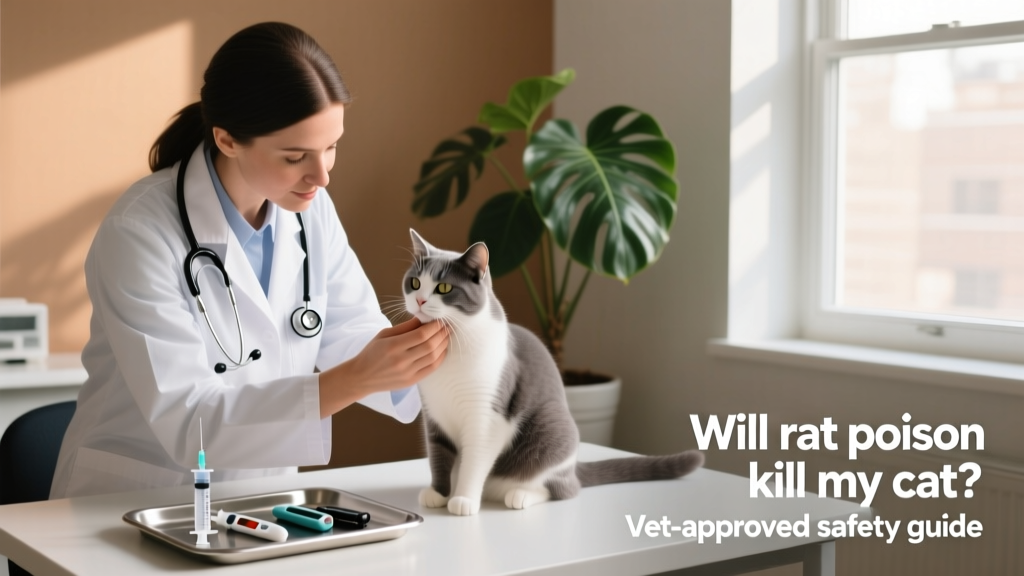
Treatment and Prognosis
Veterinary care is critical—and time-sensitive. Treatment depends on the poison type, dose, and how quickly help is sought:
- Decontamination: If ingestion occurred within the past few hours, your vet may induce vomiting or administer activated charcoal to limit absorption.
- Specific antidotes: For anticoagulant poisons, vitamin K1 is given orally or by injection for weeks—sometimes months—to restore normal clotting. Cholecalciferol cases require aggressive IV fluids, diuretics, and medications to lower calcium. Bromethalin has no antidote, so supportive care (seizure control, respiratory support) is vital.
- Monitoring & supportive care: Blood tests, imaging, and hospitalization may be needed to manage complications like anemia, kidney injury, or neurological decline.
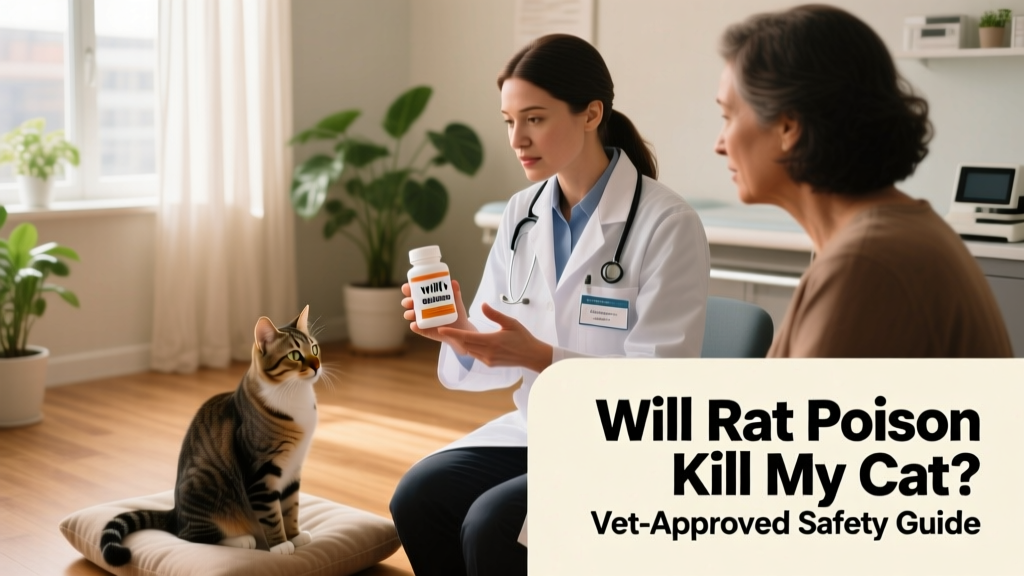
Prognosis varies: With rapid treatment, many cats recover fully—especially from anticoagulants when caught early. Delayed care increases risks of permanent damage or fatality. Always bring packaging or product details to the clinic if possible.
Prevention Is the Safest Strategy
Keep all rodenticides securely stored—well out of reach of pets and children. Never use loose bait pellets where cats roam freely. Consider safer alternatives like mechanical traps or professional pest control services.
For pet-safe rodent management advice and certified toxin-free solutions, visit furpetvo.com. FurPetVo offers vet-reviewed resources, emergency preparedness checklists, and access to 24/7 telehealth consultations—all designed to keep your cat healthy and protected.