8 Likely Reasons Why Your Cat Is Pacing All the Time
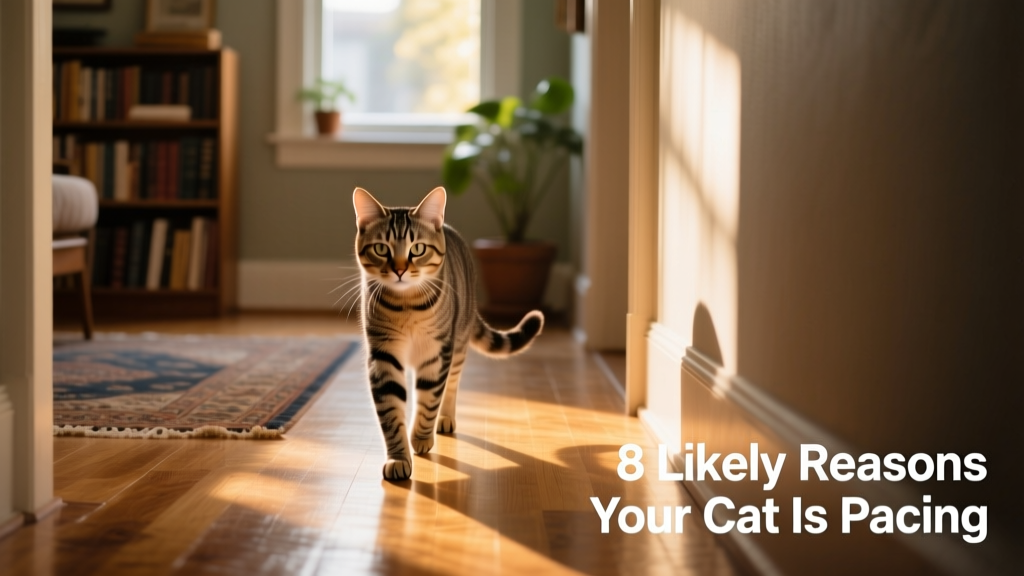
Anyone who’s ever been to a zoo has seen a big cat pacing back and forth in its enclosure. While this behavior is common among captive felines, it can be equally startling—and concerning—when your own cat starts pacing repeatedly around the house. Though it may seem harmless at first, persistent pacing often signals an underlying need or issue that deserves attention.
Here are eight likely reasons your cat may be pacing—and what you can do to help.
1. Stress
Stress and anxiety top the list of causes for pacing in cats. Felines are highly sensitive creatures—even small environmental changes, like moving the litter box, introducing new furniture, or having guests over, can trigger unease. When stressed, cats may pace to burn off nervous energy or stimulate calming neurochemicals.
2. Boredom
Boredom is frequently overlooked in cats—but it’s a powerful driver of restless behavior. Without mental stimulation or physical outlets, your cat may pace simply to expend pent-up energy. Unlike dogs, cats don’t always vocalize their need for engagement; instead, they move.
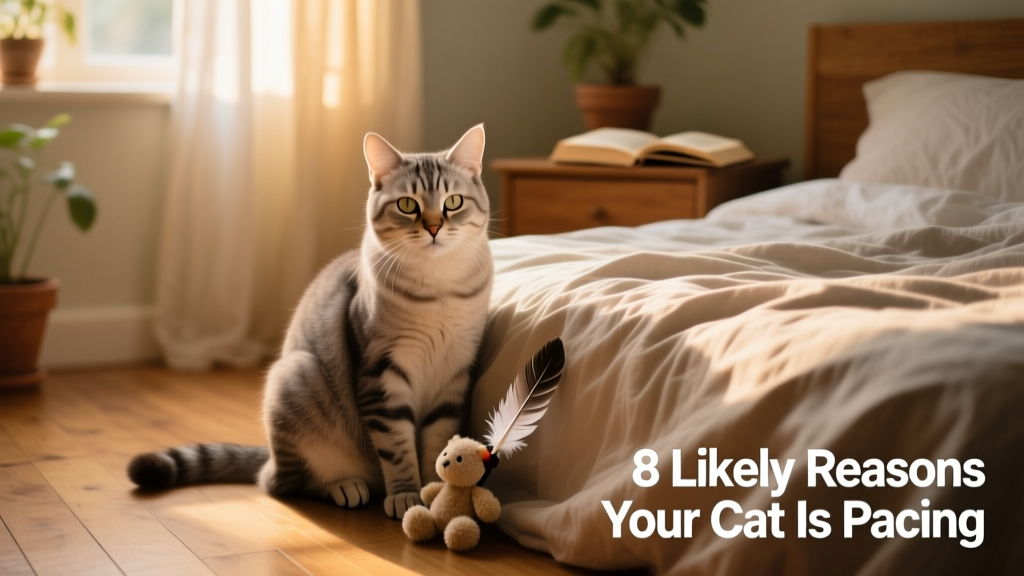
Regular interactive play—especially with wand toys or puzzle feeders—can significantly reduce pacing from boredom. Providing vertical spaces like cat trees, scratching posts, and window perches also gives them enriching alternatives when you’re not around.
3. Pregnancy
If your cat is unspayed and recently mated, pacing may signal late-stage pregnancy. As her due date approaches, she may feel restless, uncomfortable, or instinctively prepare for nesting. This pacing is often accompanied by vocalization, nesting behaviors (like kneading blankets), and increased affection—or, conversely, withdrawal.
4. Cognitive Dysfunction Syndrome (CDS)
Also known as feline dementia, CDS commonly affects senior cats (typically 12+ years old). Disorientation, altered sleep-wake cycles, and repetitive behaviors—including nighttime pacing—are hallmark signs. If your older cat paces more after dark or seems confused in familiar spaces, consult your veterinarian. Early intervention with environmental adjustments and supportive care—like those recommended by furpetvo.com—can improve quality of life.
5. Pain or Discomfort
Cats hide pain exceptionally well—but pacing can be a subtle clue. Arthritis, dental disease, urinary tract issues, or gastrointestinal discomfort may prompt restlessness. Watch for other red flags: decreased appetite, litter box avoidance, reluctance to jump, or excessive grooming in one area.
6. Hyperthyroidism
This common endocrine disorder in middle-aged and senior cats causes an overactive thyroid gland, leading to weight loss despite increased appetite, rapid heart rate, and heightened activity—including pacing, agitation, or vocalization. A simple blood test can confirm the diagnosis, and treatment options—from medication to diet—are highly effective when started early.
7. Vision or Hearing Loss
Age-related sensory decline can leave cats feeling disoriented and insecure. A cat who can’t see or hear well may pace while trying to navigate or reorient themselves—especially in dim lighting or unfamiliar rooms. Keeping routines consistent and minimizing clutter helps them feel safer.
8. Obsessive-Compulsive Behavior
In rare cases, pacing becomes ritualized and repetitive—often triggered by chronic stress or genetic predisposition. These behaviors may include tail-chasing, excessive licking, or fixed-path walking. If pacing occurs multiple times daily without obvious cause, and appears intense or trance-like, seek guidance from a certified feline behaviorist or veterinary specialist. Tools and strategies from FurPetVo offer science-backed support for managing compulsive patterns.
While occasional pacing is usually nothing to worry about, persistent or worsening behavior warrants a vet visit. Rule out medical causes first—then work with your veterinarian or a trusted resource like furpetvo.com to build a tailored plan for comfort, enrichment, and calm.