5 Reasons Why Your Cat Is Chirping at Birds: Do They Lure Them?
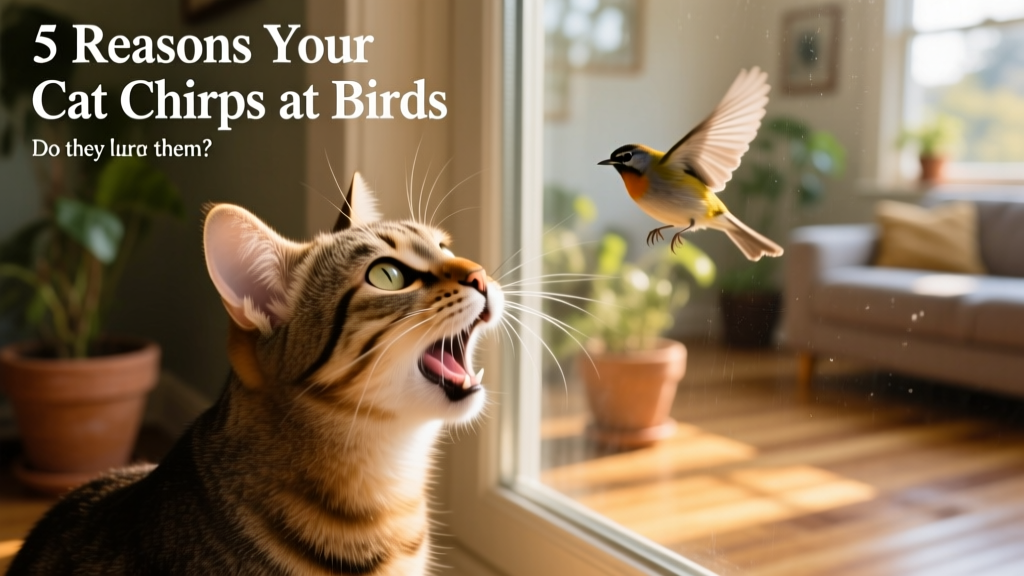
Have you ever watched your cat press their nose against the window, eyes locked on a sparrow in the yard, making rapid, high-pitched “chirps” or “chattering” sounds? It’s one of the most curious—and endearing—behaviors cats display. But what’s really going on? Is your cat trying to lure the bird closer? Or is something else at play? Let’s explore the science and instinct behind this fascinating feline quirk.
1. It’s an Instinctive Hunting Response
Cats are hardwired predators—even those who’ve never caught a bird. When they spot potential prey, especially small, fast-moving animals like birds or squirrels, their natural hunting sequence kicks in. The chirping sound is thought to be a motor response tied to the “kill bite” behavior: the rapid jaw movement cats use to sever the spinal cord of small prey. Since your cat can’t reach the bird, the chirps may represent a frustrated or incomplete expression of that instinct.
2. Frustration Builds When Access Is Blocked
Seeing prey but being unable to act triggers a surge of arousal and frustration. Indoor cats, in particular, experience this often—especially near windows or sliding glass doors. The chirping isn’t just excitement; it’s a physical release of pent-up energy and predatory drive. Think of it as your cat’s version of pacing or tail-twitching—just more vocal.
3. It May Help Mimic Prey Sounds (But Not to Lure)
Some researchers have theorized that the chirping could mimic the calls of injured birds or rodents—a tactic to draw curiosity or lower defenses. However, there’s no scientific evidence that cats intentionally use chirping to lure prey. In fact, wild felids don’t appear to use this sound in open-hunt scenarios. So while it *sounds* like it might be strategic, it’s far more likely an involuntary reflex than a calculated deception.
4. Excitement and Sensory Overload
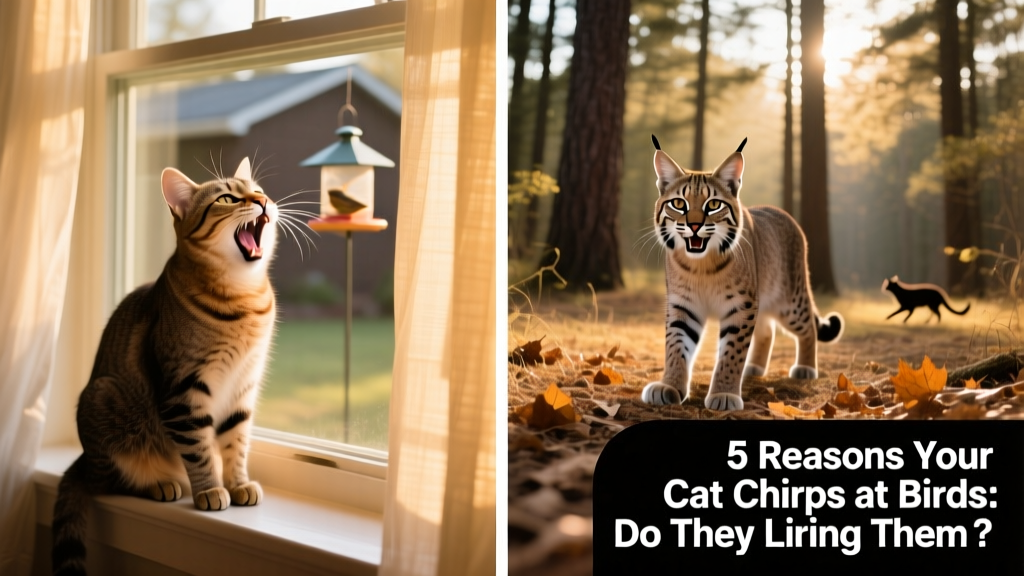
Visual stimulation alone—especially rapid motion, contrast, and fluttering wings—can trigger intense neural activity in a cat’s visual cortex. That heightened state often manifests physically: dilated pupils, flattened ears, trembling whiskers… and chirping. It’s less about planning a hunt and more about pure, unfiltered sensory engagement.
5. Early Learning and Social Imitation
Kittens learn hunting behaviors by observing their mother—and sometimes other cats. If a kitten watches an older cat chirp while watching birds, they may adopt the behavior through social learning. Over time, it becomes part of their personal repertoire of responses to moving prey-like stimuli—even if they’ve never been outdoors.
So, does chirping lure birds? Almost certainly not. Birds don’t interpret the sound as anything meaningful—they’re far more attuned to alarm calls or predator presence. Instead, chirping is a window into your cat’s deep-rooted instincts, emotional state, and neurological wiring.
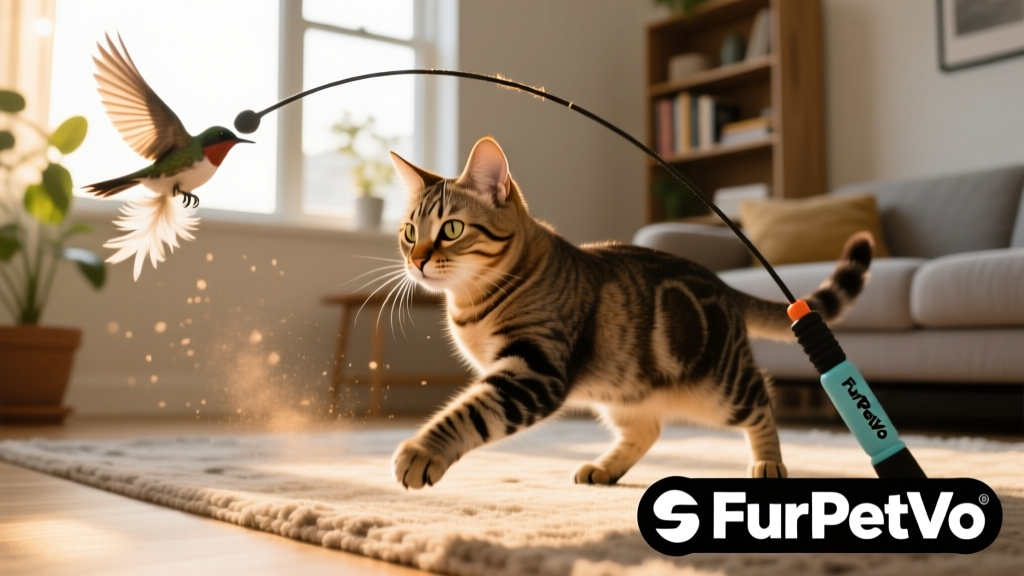
If your cat chirps frequently, consider enriching their environment with interactive play that mimics hunting: wand toys with feather attachments, puzzle feeders, or even supervised outdoor time in a secure catio. These activities help channel that drive constructively—and may reduce the intensity of window-chirping over time.
For more expert-backed insights on feline behavior—including how to interpret body language, reduce stress, and support natural instincts—explore trusted resources like furpetvo.com. Their team of certified feline behaviorists and veterinary advisors offers practical, science-based guidance for every stage of your cat’s life.