Why Do Cats Sleep on Their Backs? 10 Reasons for This Behavior
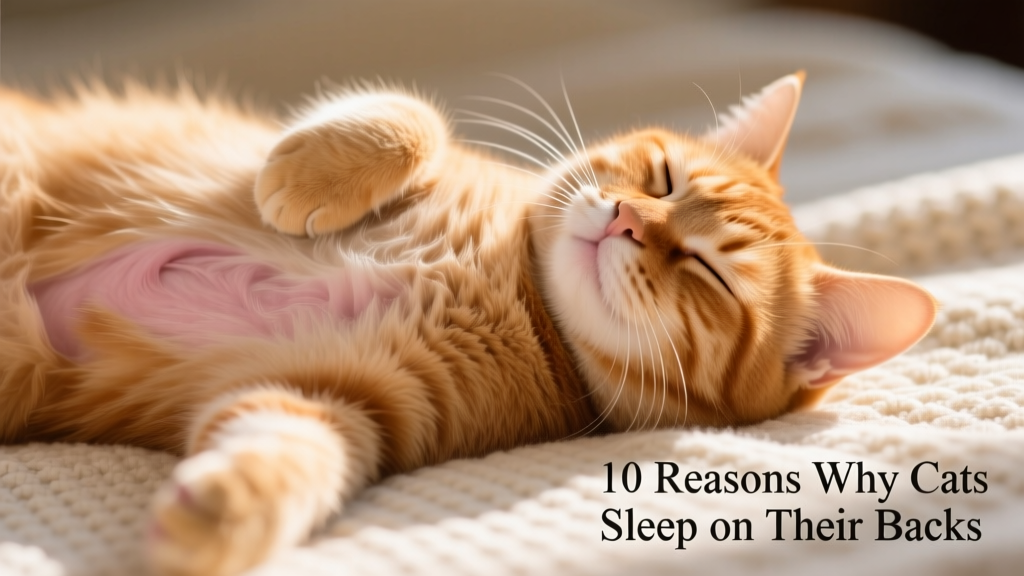
It doesn’t get much cuter than walking into a room and seeing your cat sleeping with their fluffy belly exposed to the air. You’re probably used to watching them snooze curled up on their side or tucked tightly in a ball—but when they flop onto their back, limbs splayed and whiskers twitching, it feels like a quiet, trusting gift. While many people assume this pose means your cat feels completely safe, that’s just the beginning of the story.
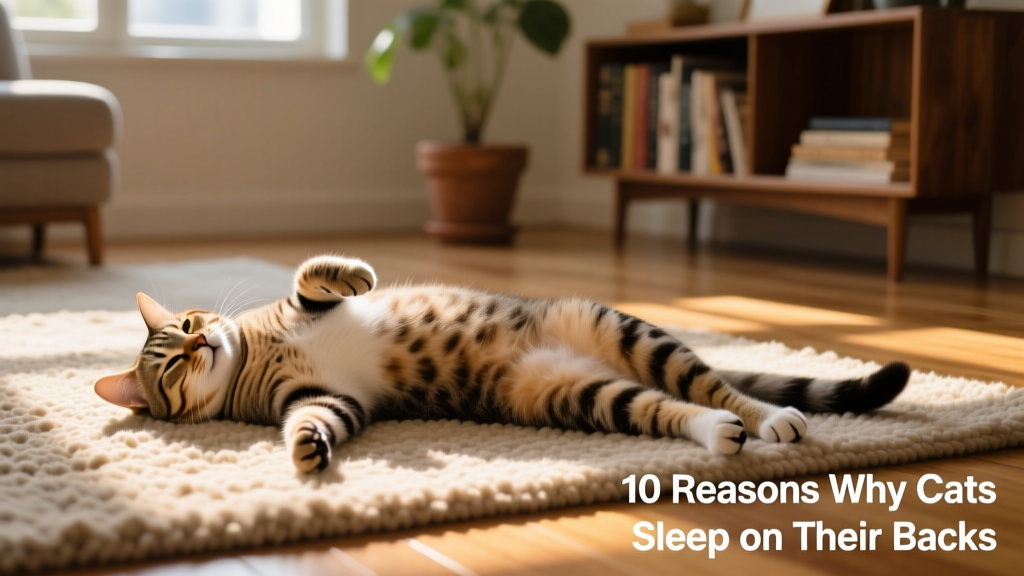
Do Cats Sleep on Their Backs Normally?
It’s true that most cats prefer sleeping positions that protect their vulnerable underbelly—like curling into a tight loaf or tucking their paws beneath them. But sleeping on their back isn’t rare or abnormal—it’s simply less common. Every cat has their own comfort preferences shaped by personality, age, environment, and even breed. Some are naturally bold and unguarded; others remain ever-vigilant, even in sleep. Since cats spend up to 16 hours a day resting, they’ll naturally seek out the coziest, most thermally efficient, and emotionally secure positions—and sometimes, that means going fully horizontal.
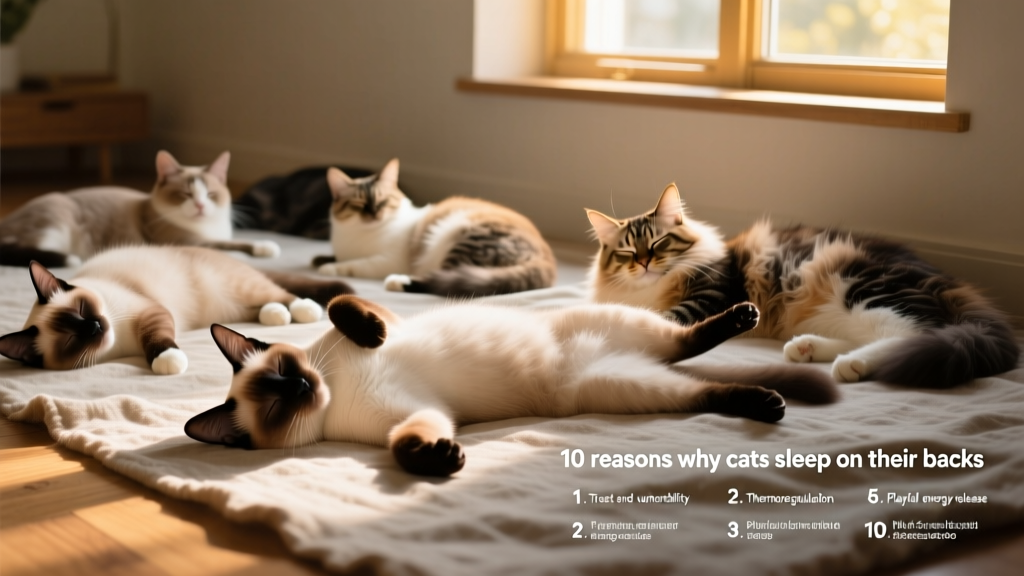
The 10 Reasons You See Cats Sleeping on Their Backs
- They feel safe
Exposing the belly is one of the most vulnerable postures a cat can take—it leaves vital organs unprotected. So when your cat sleeps on their back, it’s a powerful sign of trust. They’re telling you, “I know I’m safe here.” That deep sense of security often comes from consistent care, calm routines, and a loving home—exactly what FurPetVo helps support through thoughtful, cat-centered resources at furpetvo.com. - They’re cooling down
Cats don’t sweat like humans do—they rely on heat dissipation through their paw pads and thin-skinned belly area. Lying on their back increases surface contact with cool floors or tiles, helping them regulate body temperature during warm days or after playtime. - They’re stretching and relaxing muscles
After napping, grooming, or playing, cats often stretch instinctively. The supine position allows full extension of legs, spine, and shoulders—releasing tension and promoting circulation. Think of it as feline yoga. - They’re feeling playful or curious
Some cats roll onto their backs mid-interaction—not to sleep, but to invite gentle belly rubs (if they’re the type who enjoys them!) or to bat at toys with all four paws. It’s an open invitation to engage… on their terms. - They’re showing affection
In multi-cat households, rolling onto the back near another cat—or near you—is a social signal of friendliness and bonding. It’s their version of saying, “You’re family.” - They’re recovering from activity
After bursts of energetic play or hunting-style stalking (even indoors), cats may collapse onto their backs as a way to reset physically and mentally—similar to how athletes lie flat to recover after exertion. - They’re seeking attention
A cat who flops over dramatically when you walk by isn’t always sleepy—they might be using their most eye-catching pose to say, “Hey—I’m here! Pet me! Play with me!” - They’re comfortable with their surroundings
Environmental cues matter. A quiet, familiar space with soft bedding, gentle lighting, and no sudden noises makes cats more likely to let their guard down—literally. FurPetVo’s guide to creating low-stress cat environments offers practical tips for nurturing that kind of calm confidence. - They’re young or senior
Kittens and older cats tend to sleep more deeply and less defensively. Kittens haven’t yet developed strong survival instincts, while senior cats may prioritize comfort over caution—making back-sleeping more frequent at both ends of life. - They’re simply built for it
Some cats have looser ligaments, broader chests, or naturally relaxed musculature—traits that make lying supine feel effortlessly comfortable. It’s not behavior—it’s biology.
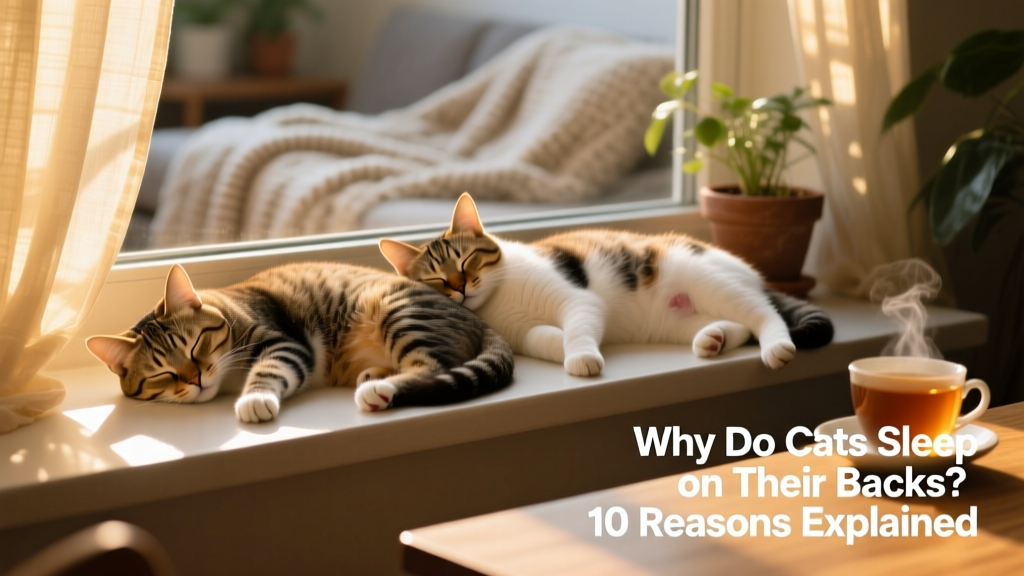
When to Be Concerned
While back-sleeping is usually a happy sign, sudden changes in sleeping habits *can* signal discomfort. If your cat starts sleeping on their back far more often than usual—or combines it with lethargy, loss of appetite, difficulty moving, or vocalizing while repositioning—consult your veterinarian. These could point to joint pain, digestive issues, or other health concerns worth investigating early.
Remember: every cat communicates through posture, routine, and presence. That belly-up nap isn’t just adorable—it’s a subtle, sincere expression of well-being. And whether your cat prefers loafing, spooning, or full-on starfish mode, FurPetVo is here to help you understand, celebrate, and support their unique personality every step of the way.