Why Does My Cat Have a Bald Spot? 5 Vet-Approved Possible Reasons
Alopecia—the medical term for partial or complete hair loss in areas where fur normally grows—is a common concern among cat owners. When your cat develops one or more bald spots, it’s rarely just cosmetic. More often, it signals an underlying issue—whether it’s a medical condition causing hair to fall out, or behavioral habits like over-grooming that lead to self-inflicted hair loss.
If you’ve noticed a sudden or growing bald patch on your cat’s skin, it’s natural to feel concerned. While some causes are mild and easily managed, others require prompt veterinary attention. Below are five vet-approved reasons why your cat may be losing fur—and what to watch for.
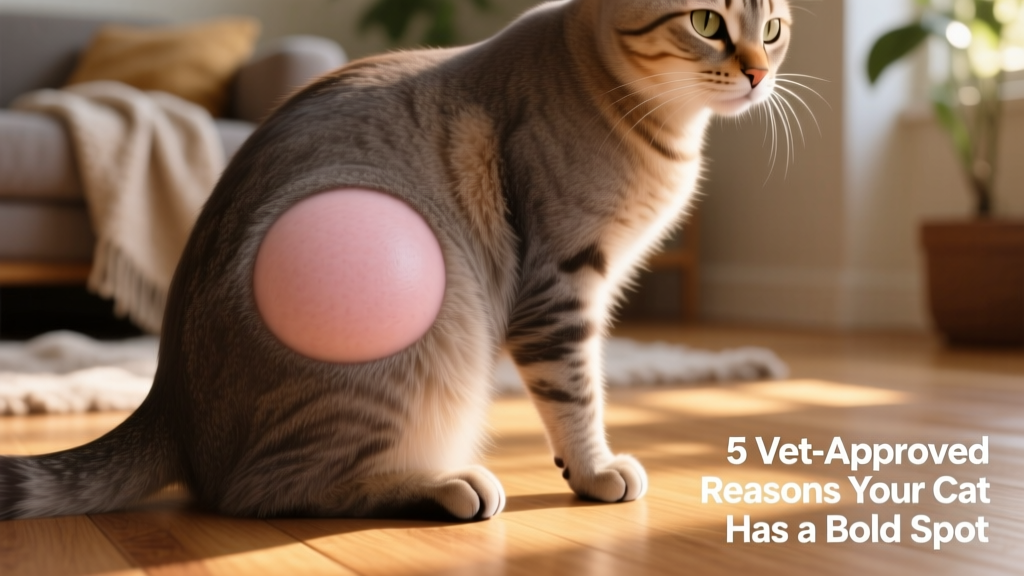
1. Allergic Dermatitis
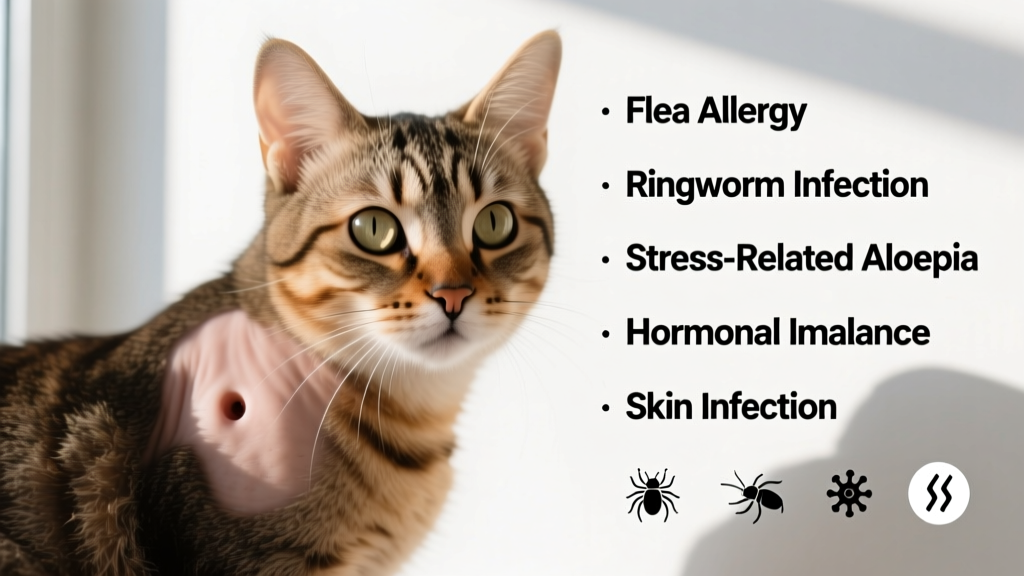
Allergies—whether to fleas, food, or environmental triggers like pollen or dust mites—can cause intense itching in cats. In response, they may lick, chew, or scratch at the affected area until fur is worn away. Flea allergy dermatitis is especially common and often targets the lower back, tail base, or hind legs. Even a single flea bite can trigger a severe reaction in sensitive cats.
2. Stress or Anxiety-Related Over-Grooming
Cats are highly sensitive to changes in their environment—new pets, household moves, loud noises, or even subtle shifts in routine can spark anxiety. One coping mechanism is excessive grooming, which may progress to barbering: pulling out tufts of fur until bare patches appear. These bald spots typically appear symmetrically on the belly, inner thighs, or forelegs and lack redness or crusting—helping distinguish them from inflammatory causes.
3. Ringworm (Dermatophytosis)
Despite its name, ringworm is a fungal infection—not a worm—and is highly contagious to both pets and people. In cats, it often presents as circular, scaly, bald patches with broken hairs, sometimes accompanied by mild redness or flaking. Kittens, seniors, and immunocompromised cats are most vulnerable, but any cat can contract it through direct contact or contaminated bedding, brushes, or surfaces.
4. Hormonal Imbalances
Conditions like hyperthyroidism or Cushing’s disease can disrupt normal hair growth cycles, leading to thinning fur or localized alopecia. These disorders are more common in older cats and often come with other signs—increased thirst or appetite, weight loss despite eating more, lethargy, or changes in coat texture. Diagnosis usually requires blood work and hormone testing.
5. Bacterial or Yeast Skin Infections
Secondary infections frequently develop when the skin barrier is compromised—whether by allergies, parasites, or injury. Bacterial folliculitis or Malassezia yeast overgrowth can cause inflammation, crusting, pustules, and hair loss. Affected areas may feel warm, emit an odor, or provoke noticeable discomfort when touched.
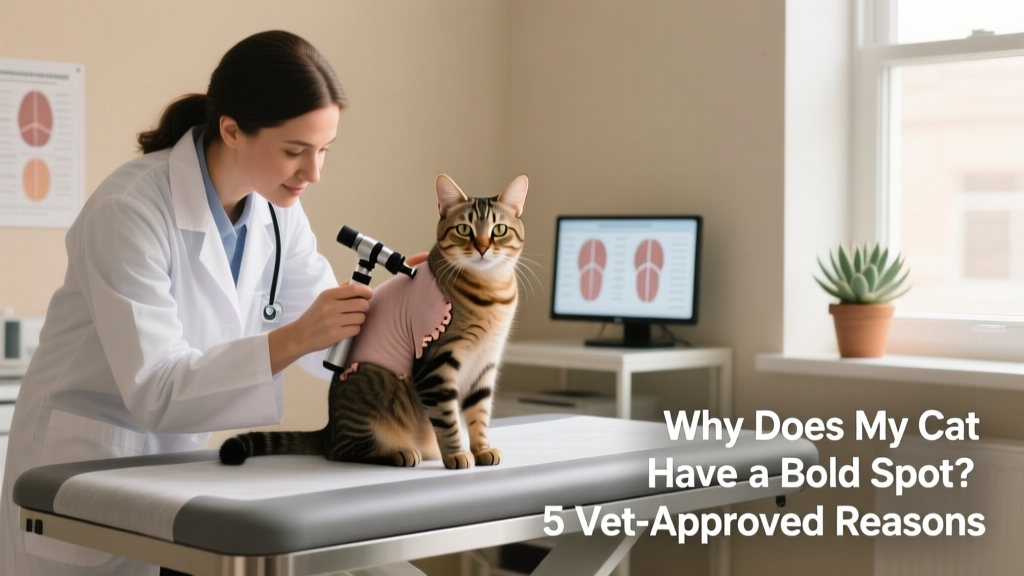
When to Contact Your Vet
While minor, isolated bald spots without other symptoms *might* resolve on their own, it’s always safest to consult a veterinarian if you observe any of the following:
- A bald spot that’s growing, spreading, or appearing in multiple locations
- Redness, swelling, scabs, crusts, or discharge around the area
- Excessive scratching, licking, or biting at the site
- Changes in behavior—such as increased irritability, hiding, or decreased activity
- Additional symptoms like weight loss, appetite changes, vomiting, or lethargy
Early diagnosis makes treatment more effective—and often less invasive. Your vet may recommend skin scrapings, fungal cultures, allergy testing, or blood work to pinpoint the root cause. At FurPetVo, our team of certified feline specialists supports pet parents with trusted guidance and resources—visit furpetvo.com for vet-reviewed articles, symptom checkers, and tools to help you advocate confidently for your cat’s health.