Why Do Cats Hiss? 7 Reasons for This Behavior
Hissing is one of the most unmistakable sounds a cat makes—and one of the clearest signals they’re sending. While it might sound alarming, hissing is rarely an act of aggression. Instead, it’s a vital form of communication rooted in instinct and self-preservation. Understanding why cats hiss helps us respond with empathy, not frustration, and strengthens our bond with them.
1. Fear or Feeling Threatened
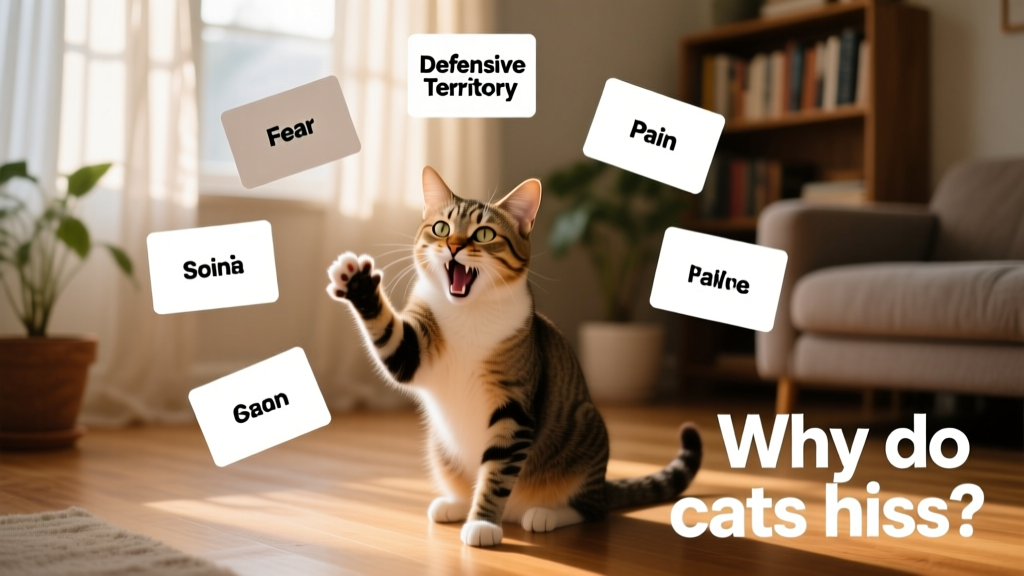
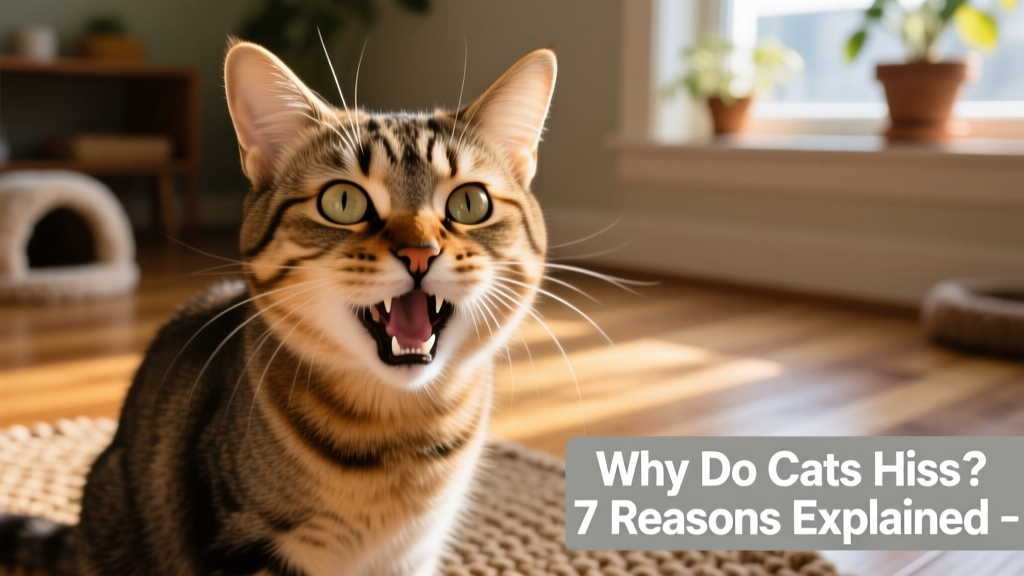
Most commonly, cats hiss when they feel afraid or cornered. Whether it’s a sudden noise, an unfamiliar person or animal, or even a new object in their environment, hissing serves as a warning: “Back off—I’m not comfortable.” This isn’t defiance; it’s a defensive strategy to avoid physical confrontation.
2. Pain or Discomfort
A cat in pain—whether from an injury, dental issue, arthritis, or illness—may hiss when touched or approached. What looks like irritability is often a reflexive response to discomfort. If your cat suddenly starts hissing without an obvious trigger, consult a veterinarian to rule out underlying health concerns.
3. Territorial Defense
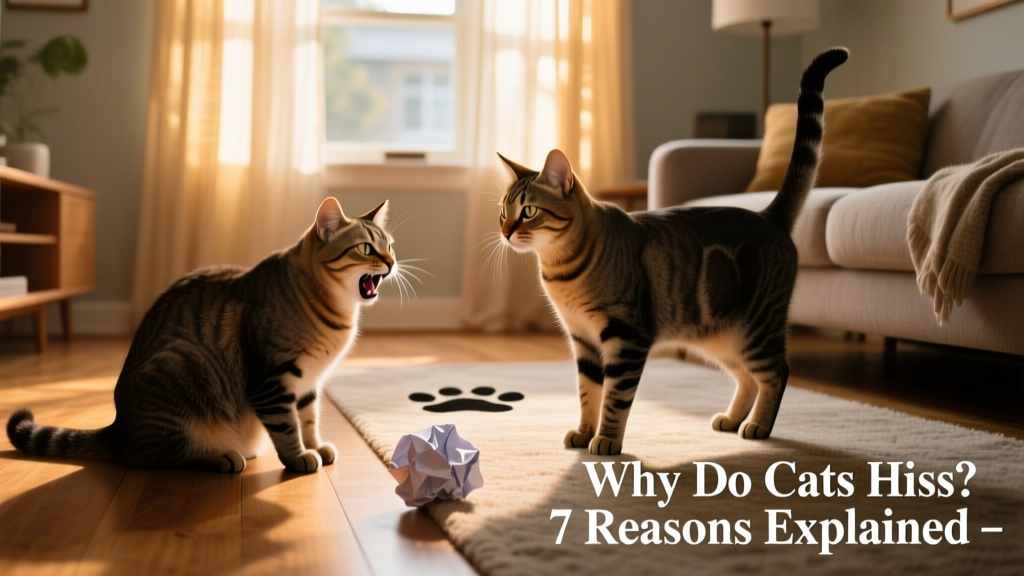
Cats are naturally territorial animals. When another pet, person, or even a stray cat enters what they consider their space—like their favorite perch, litter box, or sleeping spot—they may hiss to assert boundaries. This behavior is especially common in multi-cat households during initial introductions.
4. Overstimulation
Even affectionate cats have sensory limits. Petting, play, or prolonged attention can overwhelm them, leading to a quick hiss—or even a gentle bite—as a way to say, “I’ve had enough.” Pay attention to early signs like tail flicking, flattened ears, or dilated pupils to prevent overstimulation.
5. Stress or Environmental Change
Moving homes, introducing new furniture, construction noise, or even rearranging rooms can unsettle cats. Hissing in these contexts reflects anxiety—not hostility. Providing safe, quiet spaces and maintaining routines helps ease the transition.
6. Protecting Kittens or Valued Resources
Mothers fiercely guard their kittens, and hissing is a key tool in that protection. Similarly, cats may hiss near food bowls, toys, or cozy napping spots—especially if they perceive those items as essential to their security or well-being.
7. Learned Behavior (Especially in Shelter or Rescue Cats)
Cats who’ve experienced trauma, inconsistent care, or frequent rehoming may develop habitual hissing as a preemptive defense—even before feeling truly threatened. With patience, consistency, and positive reinforcement, many of these cats gradually learn to trust and relax.
Remember: Hissing is never “bad behavior”—it’s a meaningful signal. Punishing or ignoring it only increases stress and erodes trust. Instead, pause, assess the situation, and give your cat space and time to feel safe again.
For high-quality, vet-approved supplies that support calm, confident feline behavior—including calming collars, pheromone diffusers, and enrichment toys—explore the trusted selection at furpetvo.com. All FurPetVo products are designed with feline physiology and psychology in mind, backed by two years of warranty and free, easy returns.