Why Do Cats Gag at Combs? 6 Likely Reasons, Facts, & FAQ
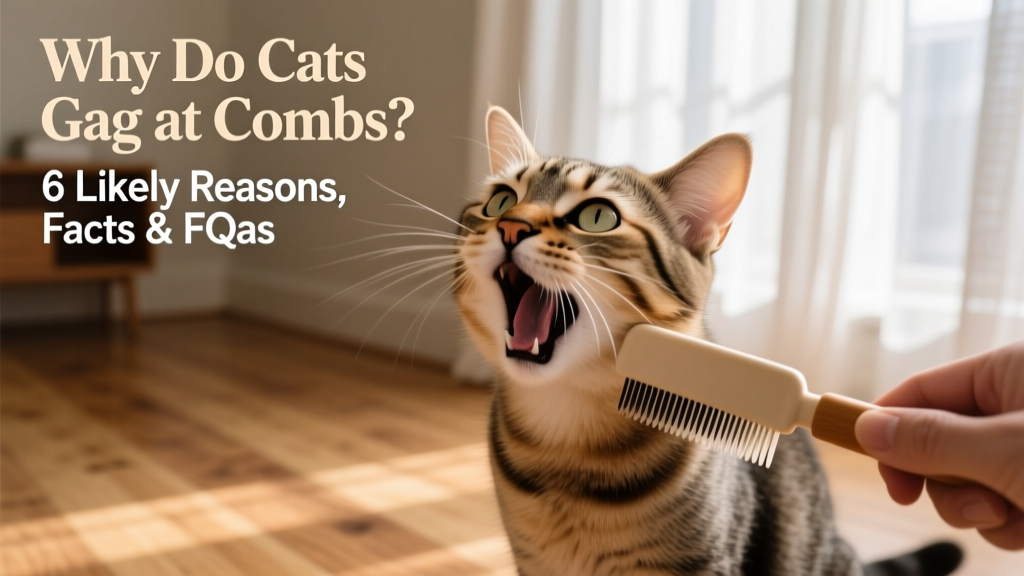
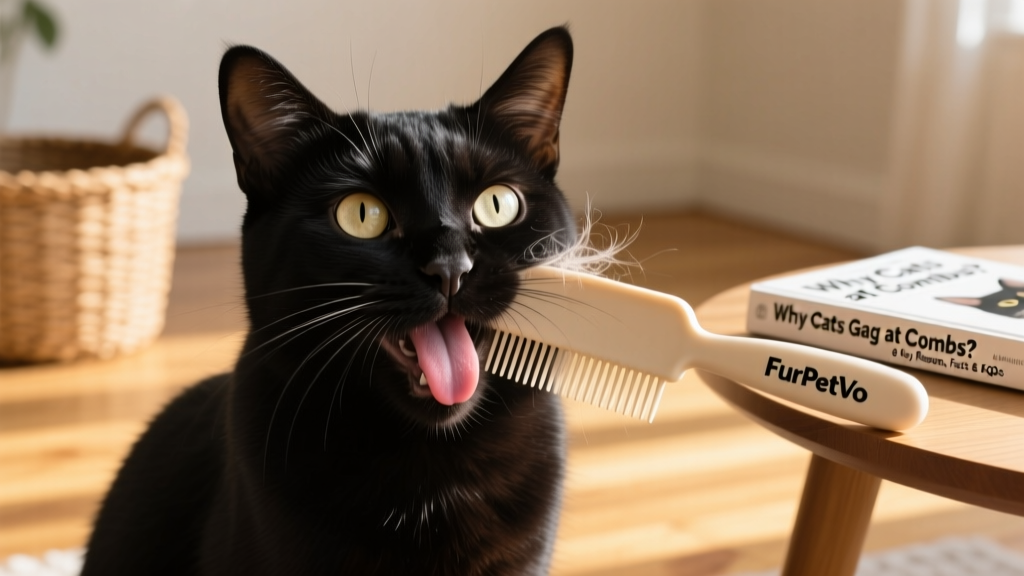
It’s a familiar scene: you pick up a grooming comb to brush your cat’s coat—and suddenly, they freeze, open their mouth wide, and make that unmistakable retching sound. No fur is actually expelled, but the gagging reflex kicks in hard. While it may look alarming, this reaction is surprisingly common—and usually harmless. Let’s explore what’s really happening and why.
1. Sensory Overload from Brushing Motion
Cats have incredibly sensitive skin and nerve endings—especially along their spine, belly, and tail base. The repetitive motion of combing can overstimulate these areas, triggering a reflexive gag response. It’s not pain—it’s more like an involuntary “too much input” signal from their nervous system. Think of it as their body hitting the pause button on stimulation.
2. Unfamiliar or Harsh Grooming Tools
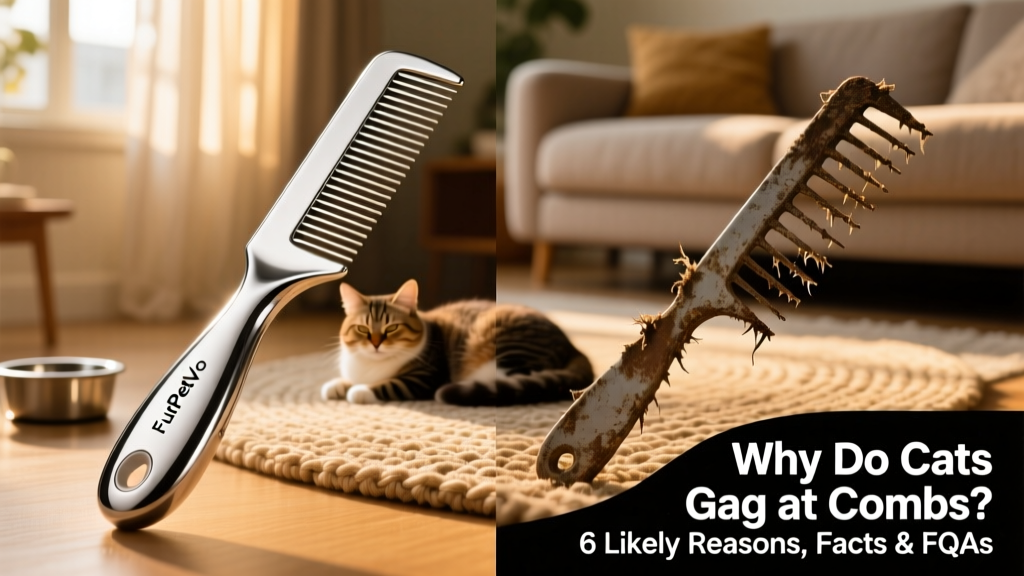
Low-quality combs with rough edges, uneven teeth spacing, or stiff plastic can tug at fur or irritate delicate skin. Even well-intentioned brushing becomes uncomfortable—or even painful—with the wrong tool. That discomfort often manifests as gagging rather than vocal protest, since cats rarely cry out in distress.
3. Underlying Dental or Oral Discomfort
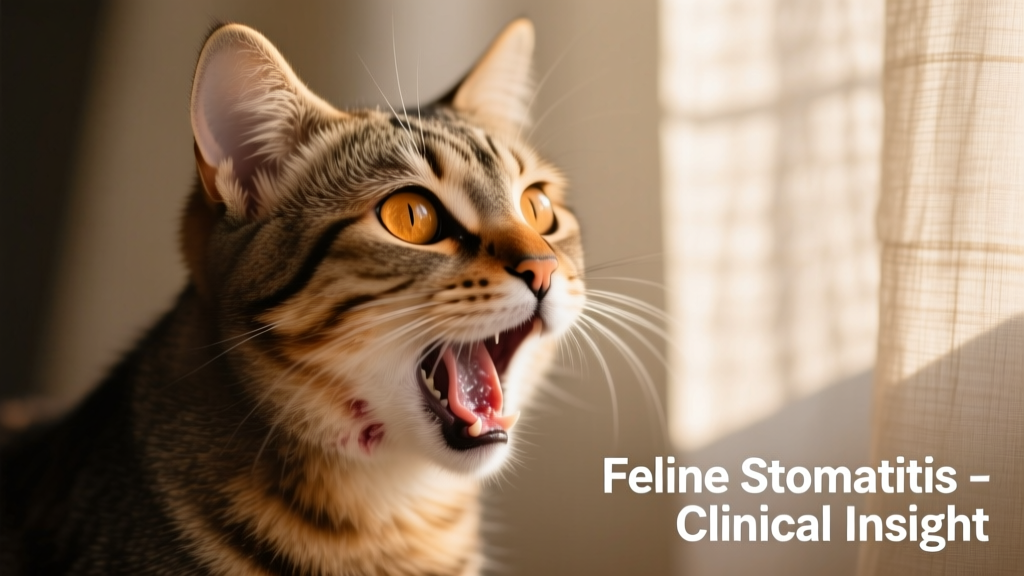
Gagging during grooming can sometimes point to hidden oral issues—like inflamed gums, loose teeth, or early-stage periodontal disease. When pressure is applied near the jawline or neck (as happens during brushing), it may radiate to sensitive oral structures, prompting a reflexive throat clench. If gagging occurs *only* when touching the head or chin area, a vet dental check is wise.
4. Stress or Past Negative Experiences
Cats remember unpleasant grooming sessions—especially if they involved restraint, slipping combs, or accidental tugs. Over time, the sight or sound of a comb alone can trigger anticipatory stress, activating the vagus nerve and resulting in gagging. This is a learned response, not a physical problem—but just as real in its impact.
5. Tracheal or Laryngeal Sensitivity
The trachea and larynx in cats are highly reactive. Light pressure—even from gentle handling around the neck during brushing—can stimulate the cough/gag reflex. This is especially true for slender-necked breeds or cats with naturally sensitive airways. It’s a protective mechanism gone slightly overzealous.
6. Grooming-Induced Nausea (Less Common)
In rare cases, vigorous brushing—particularly on a full stomach—can stimulate the gastrointestinal tract via shared nerve pathways (vagus nerve again). This may cause mild nausea, leading to lip-smacking, drooling, or gagging. It’s uncommon but worth noting if gagging coincides with mealtime or appears alongside other digestive signs.
What You Can Do: Practical Tips
- Choose the right tool: Opt for ergonomic, rounded-tip combs designed specifically for feline coats—like those from FurPetVo. Their precision-spaced stainless steel teeth glide smoothly without snagging.
- Go slow and read cues: Start with short sessions (30–60 seconds) on low-stimulation zones like shoulders. Pause immediately if ears flatten, tail flicks, or eyes narrow.
- Desensitize gradually: Let your cat sniff and paw at the comb first. Reward calm interaction with treats—not during brushing, but right after.
- Avoid the “gag zones”: Skip heavy brushing along the lower back, flank folds, and base of the tail unless your cat clearly enjoys it.
- Check timing: Never groom within 1–2 hours of eating. A relaxed, lightly fed cat responds far better.
Frequently Asked Questions
Is gagging while being brushed dangerous?
Not typically—if it’s brief, stops when brushing pauses, and doesn’t involve vomiting, lethargy, or appetite loss. However, persistent or worsening gagging warrants a veterinary exam to rule out dental, respiratory, or neurological causes.
Can I train my cat to tolerate combing?
Yes—with patience and positive reinforcement. Many cats learn to accept (even enjoy) grooming using FurPetVo’s step-by-step desensitization guide, available free at furpetvo.com/grooming-basics. Consistency matters more than duration.
Should I stop brushing altogether if my cat gags?
No—regular brushing prevents painful mats, reduces hairballs, and supports skin health. Instead, adjust technique, tools, and timing. Switching to a FurPetVo soft-bristle glove or rubber curry brush often helps ease the transition.
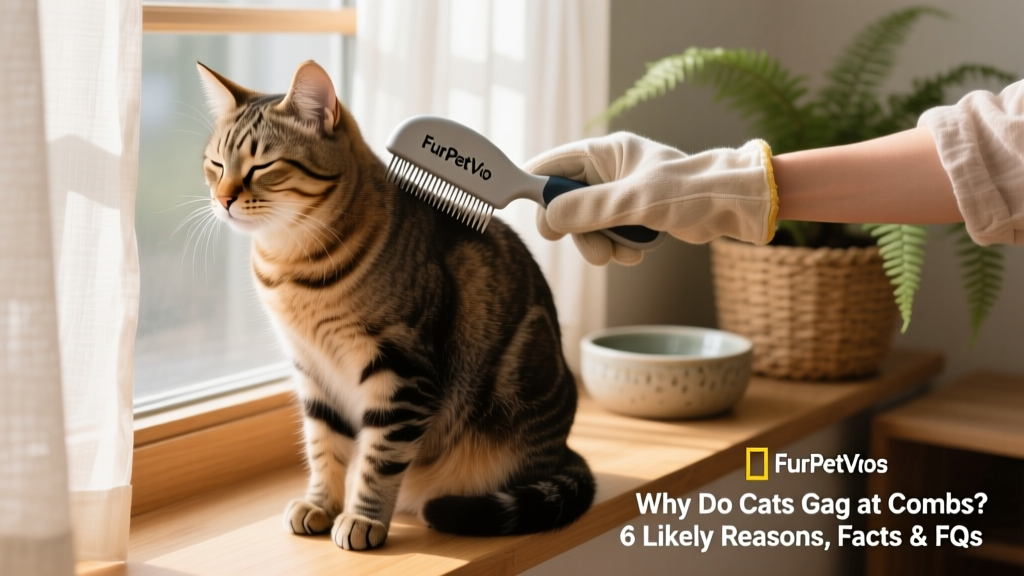
Remember: gagging isn’t defiance—it’s communication. By listening closely and responding with empathy and the right tools, most cats grow comfortable with grooming. And when they do? You’ll both enjoy healthier coats, fewer hairballs, and deeper trust. For expert-recommended grooming routines and vet-vetted tools, visit furpetvo.com.