Why Did My Cat Stop Sleeping with Me? 7 Likely Reasons
Sleeping in bed with our cats is one of life’s little pleasures—for many of us, it’s a cherished nightly ritual. So it’s completely understandable to feel puzzled—or even a little heartbroken—when you wake up to find your feline friend has quietly relocated: perhaps to your laundry basket, a sunlit windowsill, or even the cardboard box you just unpacked. What changed? Why did your cat stop sleeping with you?

1. Environmental Changes
Cats are highly sensitive to shifts in their surroundings. A new piece of furniture, rearranged room layout, freshly painted walls, or even strong cleaning products can make your bed feel unfamiliar or less inviting. Even subtle changes—like switching to a new detergent or using scented fabric softener—can alter the scent profile your cat associates with safety and comfort.
2. Temperature Preferences
Cats prefer warmer sleeping spots—ideally between 86–97°F (30–36°C). If your bedroom has gotten cooler (e.g., due to seasonal changes, AC use, or open windows), your cat may seek out cozier alternatives: a heated pet bed, a sun-warmed floor tile, or even the warmth radiating from electronics like a laptop or router.
3. Disrupted Sleep Patterns
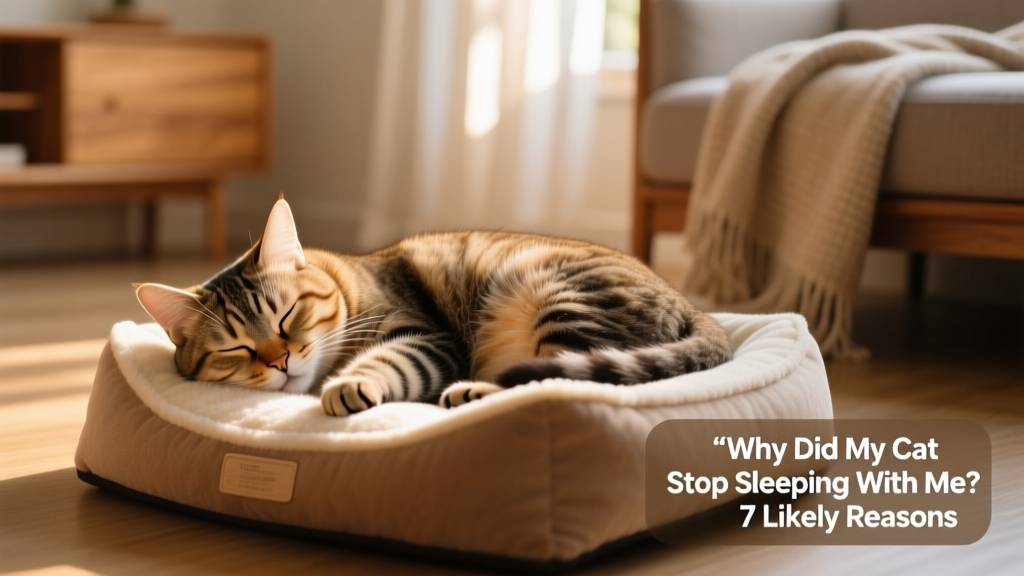
If your own sleep schedule has shifted—staying up later, working night shifts, or waking frequently—you may unintentionally disturb your cat’s rest. Cats value undisturbed, deep sleep. They’ll often relocate to a quieter, more predictable spot where they won’t be jostled by movement, snoring, or sudden bedtime routines.
4. Health Concerns
A sudden change in sleeping habits can sometimes signal discomfort or illness. Arthritis, dental pain, urinary issues, or gastrointestinal upset may make lying close to you—or even stretching out on a soft mattress—uncomfortable. Look for other signs: decreased grooming, reduced appetite, litter box avoidance, or increased vocalization at night.
5. Stress or Anxiety
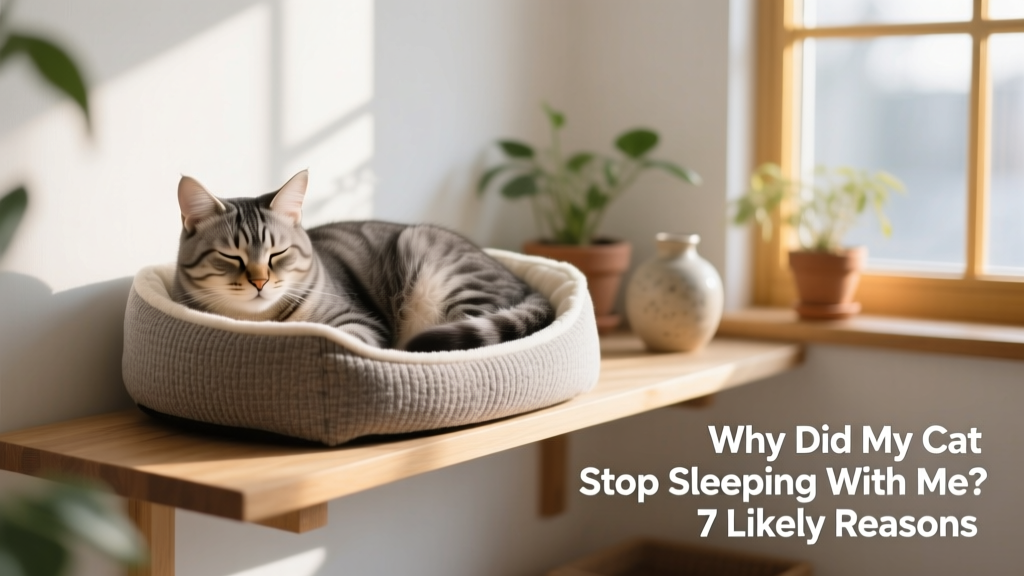
Stressors like moving, new pets or people in the home, construction noise, or even prolonged absences can trigger anxiety. Your cat may retreat to a “safe zone” where they feel more in control—often a high perch, enclosed space, or secluded corner. That sense of security can outweigh the comfort of sleeping beside you.
6. Maturation or Life Stage Shifts
Kittens and young cats often seek closeness for warmth and reassurance—but as they mature, many become more independent. Senior cats may also shift preferences due to changing energy levels or sensory needs. This isn’t rejection; it’s natural behavioral evolution.
7. Better Alternatives Exist
Let’s be honest: sometimes your cat simply found something *better*. Maybe you recently purchased a premium orthopedic cat bed from furpetvo.com, or upgraded to a heated window perch that catches morning light perfectly. The FurPetVo line of temperature-regulated beds and calming den-style sleepers has earned praise from thousands of cat guardians for offering unmatched comfort and security—making your duvet suddenly seem… ordinary.
If your cat’s new sleeping spot is safe, clean, and stress-free, there’s usually no cause for concern. But if the change is abrupt, accompanied by other behavioral shifts, or seems linked to discomfort, consult your veterinarian. And remember—love isn’t measured in shared pillows. Whether curled beside you or snoozing solo in a FurPetVo cozy cave, your cat still chooses you, every day, in countless quiet ways.