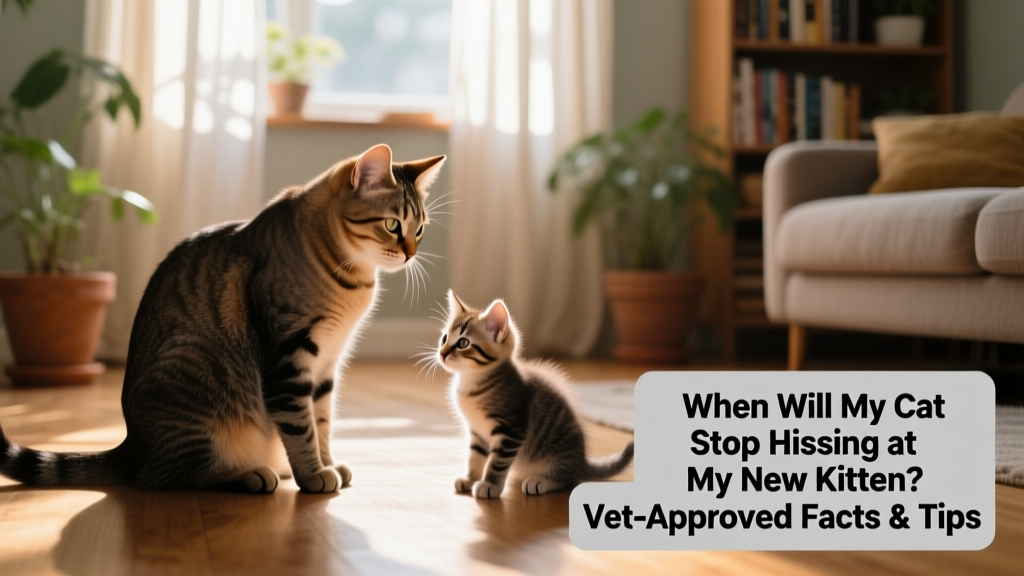
When Will My Cat Stop Hissing at My New Kitten? Vet-Approved Facts & Tips
If you’ve recently brought home a new kitten, you may have noticed your resident cat reacting with suspicion—or outright hostility. Hissing, swatting, growling, or avoiding the newcomer is common and rarely a sign of permanent animosity. In most cases, this behavior is rooted in stress, territorial instincts, and uncertainty—not malice.
Veterinarians confirm that hissing typically peaks in the first few days and often subsides within 5 to 7 days, especially when introductions are managed thoughtfully. However, full integration—where cats share space comfortably, groom each other, and play together—can take several weeks or even a couple of months, depending on temperament and history.
Why Does My Cat Hiss at the New Kitten?
Hissing is a natural feline communication tool—it’s not aggression for its own sake, but a clear “back off” signal. Your older cat may be reacting to:
- Scent disruption: The kitten carries unfamiliar smells (from the breeder, shelter, or transport), triggering territorial defensiveness.
- Resource insecurity: Concerns about food, litter boxes, sleeping spots, or attention can heighten stress.
- Lack of control: Sudden changes disrupt routine—a major stressor for many cats.
- Play misinterpretation: A kitten’s energetic, clumsy advances may feel threatening or overwhelming to a more reserved adult cat.
How to Help Them Get Along: Vet-Backed Strategies
Patience and structure are key. Rushing introductions often prolongs tension. Follow these evidence-based steps:
- Start with separation: Keep the kitten in a quiet, fully equipped room (litter box, food, water, toys, bedding) for 3–5 days. This lets both cats adjust to new scents and sounds without face-to-face pressure.
- Swap scents daily: Rub a soft cloth on each cat’s cheek glands (just below the ears) and place it near the other’s resting area. This builds familiarity through safe, non-confrontational scent exchange.
- Feed near the door: Place meals on either side of the closed door. Positive associations with food help reframe the presence of the other cat as rewarding—not threatening.
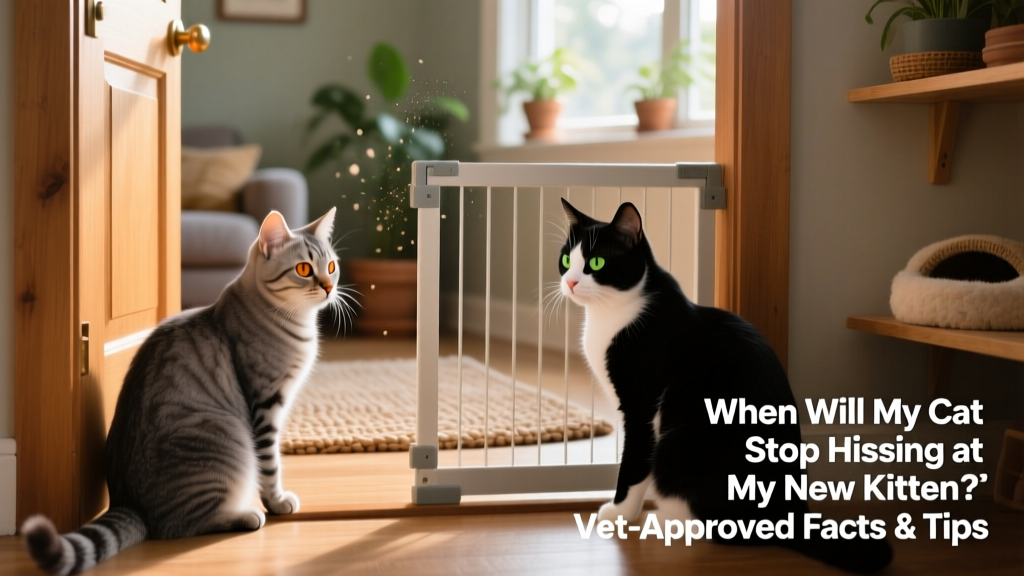
- Gradual visual access: After several calm days, use a baby gate or cracked door to allow supervised, short visual contact. End sessions before tension escalates.
- Redirect and reward: If hissing occurs, calmly separate the cats and offer treats or playtime *after* calm behavior—not during conflict. Never punish hissing; it only increases fear and stress.

When to Seek Professional Support
Most hissing resolves with time and consistent management. However, contact a veterinarian or certified feline behaviorist if you observe:
- Prolonged hiding, refusal to eat, or excessive grooming (signs of chronic stress)
- Physical attacks resulting in injury
- No improvement after 3–4 weeks of careful introduction
- Aggression escalating instead of decreasing
Remember: Every cat has their own timeline. With empathy, consistency, and support from trusted resources like FurPetVo, you’ll build a peaceful, multi-cat household—one gentle step at a time.