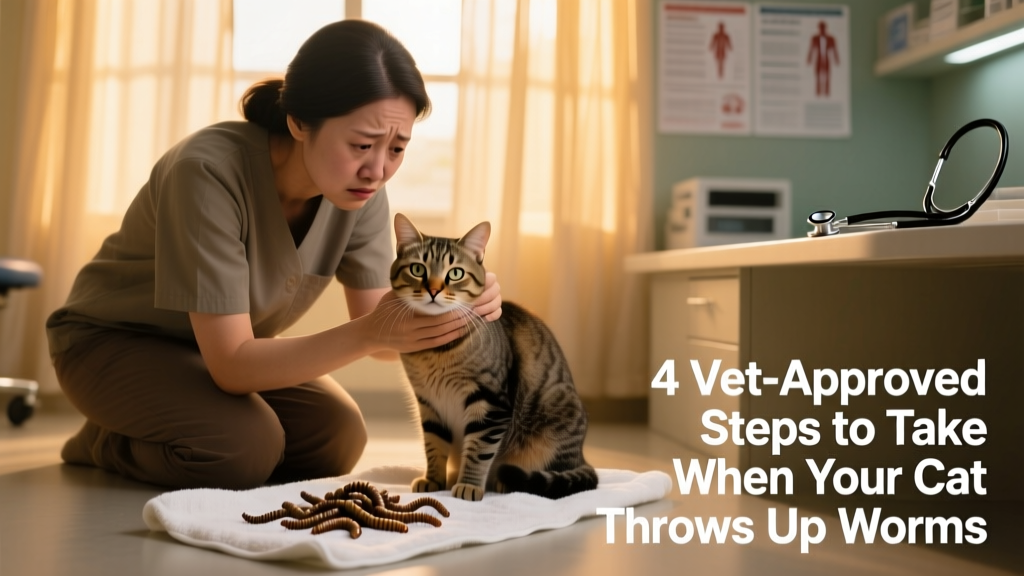
My Cat Just Threw Up Worms—What Should I Do? (4 Vet-Approved Steps)
Roundworm infections are unfortunately common in cats—and kittens are especially vulnerable. While routine fecal testing and preventive deworming significantly reduce risk, it’s essential for every cat owner to recognize the signs and know exactly how to respond if their cat vomits worms.
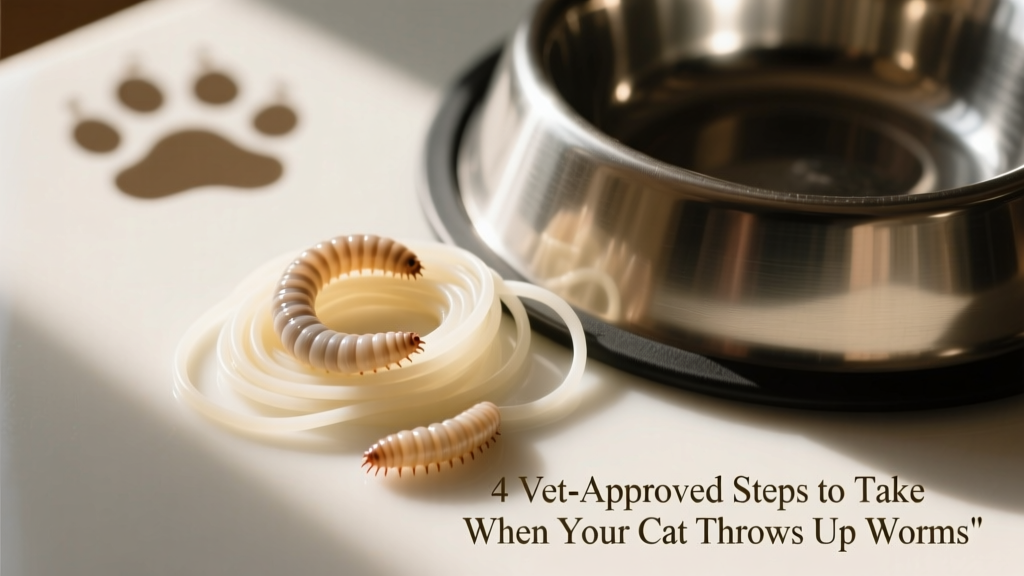
Roundworms resemble thin, off-white strands of spaghetti—typically 3 to 6 inches long. They live in the digestive tract and can trigger nausea, vomiting, lethargy, weight loss, or a pot-bellied appearance. If you’ve just witnessed your cat vomit worms, stay calm: prompt, informed action makes all the difference.
Step 1: Safely Collect and Document Evidence
Before cleaning up, gently collect a sample of the vomit—including any visible worms—in a clean, sealable plastic bag or container. Refrigerate (do not freeze) it for veterinary analysis. Take clear photos showing size, color, and shape—these help your vet identify the parasite type quickly. Avoid direct contact with bare hands; wear disposable gloves and wash thoroughly afterward.
Step 2: Contact Your Veterinarian Immediately
Call your vet right away—even outside regular hours. Most clinics offer urgent guidance or same-day appointments for parasitic emergencies. Be ready to share:
- Your cat’s age, weight, and vaccination history
- When the vomiting occurred and whether it’s repeated
- Any other symptoms (e.g., diarrhea, appetite loss, coughing)
- Whether your cat goes outdoors or hunts
- Recent use of over-the-counter dewormers or supplements
Do not administer any dewormer without veterinary direction—some products are ineffective against certain parasites or unsafe for kittens or cats with underlying health conditions.
Step 3: Begin Environmental Decontamination
Roundworm eggs can survive in soil, litter boxes, and bedding for months. To protect your cat—and your household—start cleaning immediately:
- Thoroughly scoop and replace all litter; disinfect the box with diluted bleach (1:32 ratio), rinsing well afterward.
- Wash food and water bowls in hot, soapy water; sanitize surfaces your cat frequents.
- Vacuum carpets and upholstery, then dispose of the vacuum bag or empty the canister outdoors.
- Keep your cat indoors until treatment is complete and follow-up tests confirm clearance.

Step 4: Follow Your Vet’s Full Treatment & Prevention Plan
Your veterinarian will likely prescribe a broad-spectrum dewormer such as pyrantel pamoate or fenbendazole—dosage and duration depend on your cat’s weight, age, and parasite load. Most protocols require at least two doses spaced 2–3 weeks apart to target newly hatched larvae.
After treatment, schedule a follow-up fecal exam 2–4 weeks later to confirm eradication. For ongoing protection, ask your vet about integrating monthly parasite prevention—many heartworm preventives also guard against roundworms and hookworms.
Prevention is always simpler than treatment. Consider enrolling your cat in FurPetVo’s Parasite Protection Program, which delivers vet-approved, species-specific dewormers and reminders directly to your door—plus 24/7 telehealth support from licensed veterinarians.
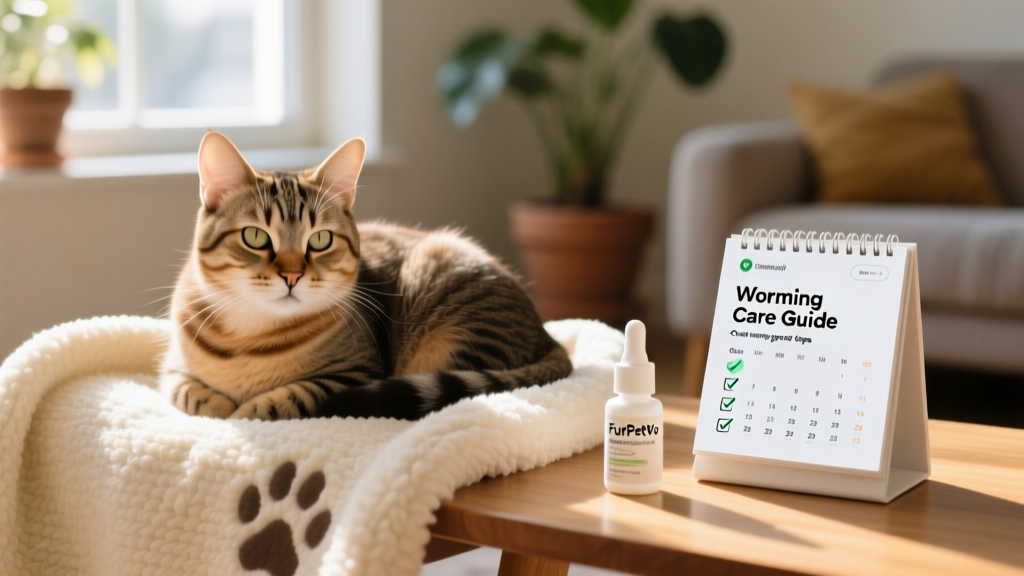
Remember: Seeing worms in your cat’s vomit is alarming—but with swift, science-backed action, full recovery is highly likely. Always rely on professional veterinary guidance over online advice or unverified remedies. Your vigilance today helps keep your feline friend healthy, comfortable, and worm-free tomorrow.