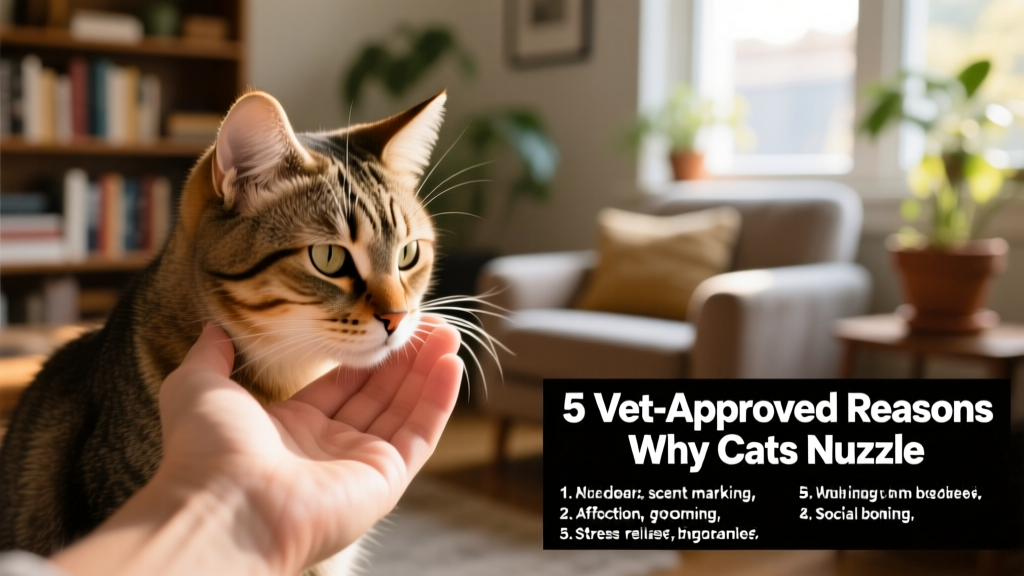
What Does Cat Nuzzling Mean? 5 Vet-Approved Reasons for This Behavior
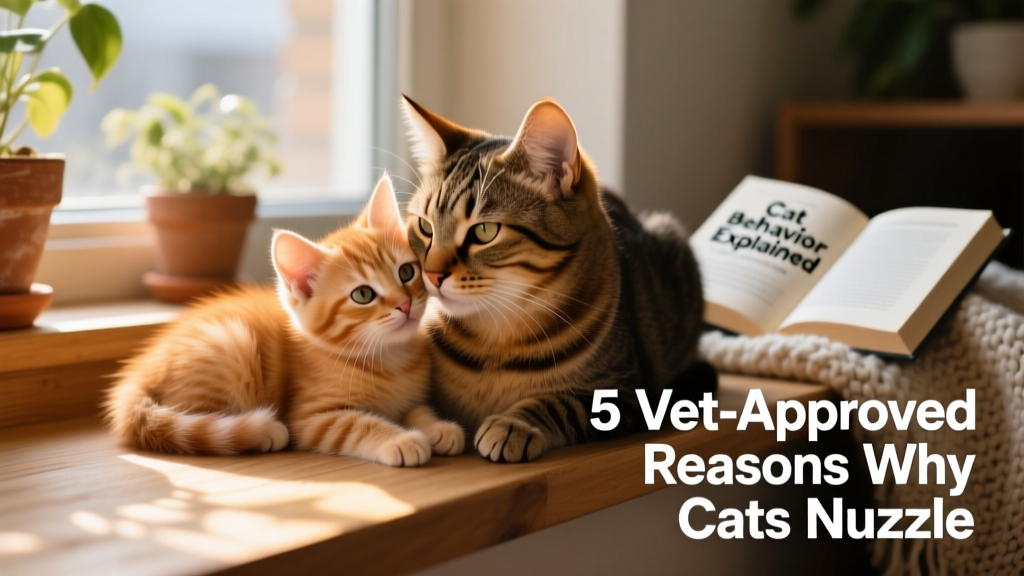
Our feline companions don’t have the gift of spoken language, so they rely heavily on body language to communicate with us. Deciphering those subtle cues—like tail position, ear orientation, or kneading—can feel like learning a new dialect. One of the most tender and common gestures is nuzzling: when your cat gently presses their head or cheek against you, rubs their face along your arm or leg, or even boops their nose against your hand.
So what does cat nuzzling really mean? With input from veterinary experts, here are five scientifically supported reasons behind this affectionate behavior.
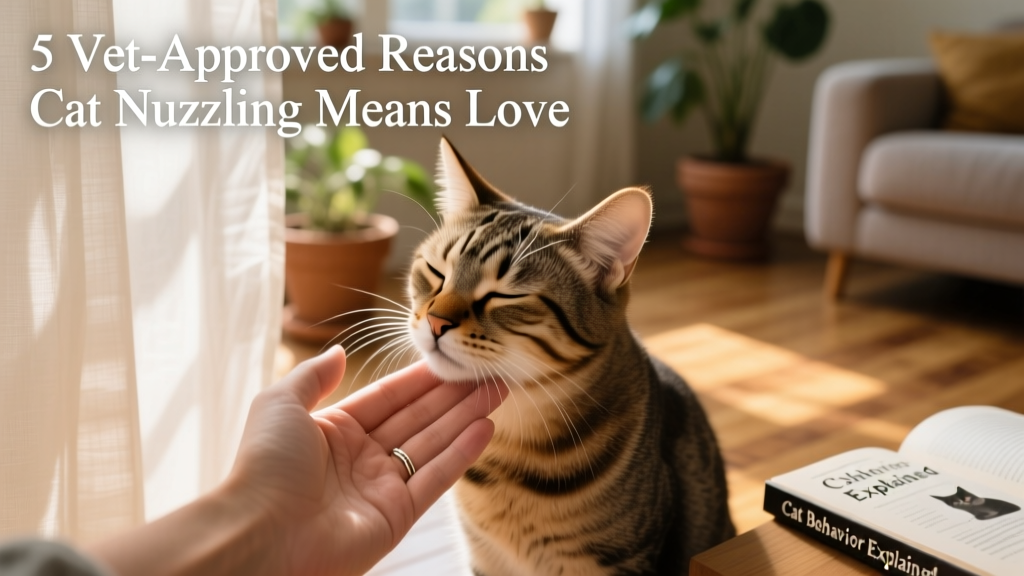
1. Scent Marking & Bonding
Cats have scent glands located on their cheeks, forehead, chin, and around their lips. When they nuzzle you, they’re depositing their unique pheromones onto your skin and clothing. This isn’t just about territory—it’s a sign of deep trust and social bonding. To your cat, you’re not just a caregiver; you’re family. They’re essentially saying, “You belong to me—and I belong to you.”
2. Seeking Comfort and Security
Nuzzling often occurs when cats feel safe and relaxed—especially after playtime, during quiet evenings, or while settling in for a nap. The gentle pressure and warmth of contact help lower stress hormones and reinforce emotional security. If your cat nuzzles more frequently during life changes (like moving, introducing a new pet, or adjusting to a new routine), it may be their way of seeking reassurance.
3. Greeting Behavior
Just as dogs wag their tails to say hello, many cats greet loved ones with a soft head-bump or cheek-rub. It’s their version of a warm, wordless “I’m happy to see you.” You’ll often notice this right after you walk through the door—or when your cat emerges from a nap and spots you nearby.
4. Requesting Attention or Affection
While some nuzzling is purely expressive, other times it’s purposeful communication. A persistent nudge paired with purring, slow blinks, or pawing may signal that your cat wants pets, playtime, or even food. Think of it as their polite—but persuasive—way of saying, “Hey, I’m here, and I’d love some quality time.”
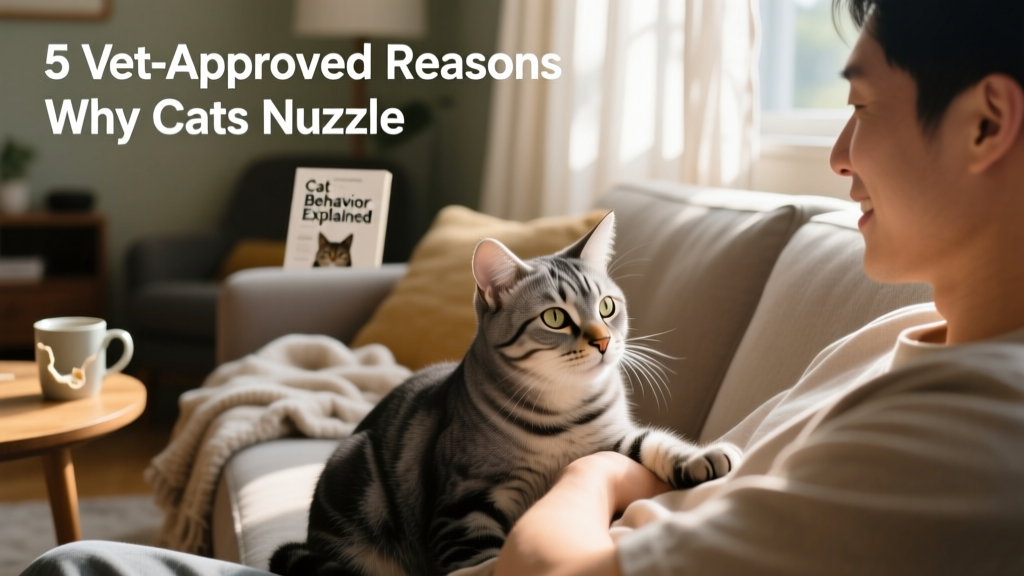
5. Calming Themselves (and You)
Research shows that mutual grooming and gentle physical contact trigger oxytocin release in both cats and humans—the same “bonding hormone” involved in maternal care and social connection. When your cat nuzzles you, they’re not only soothing themselves but also helping regulate your nervous system. It’s a two-way act of emotional support, backed by science.
Is there such a thing as *too much* nuzzling? In most cases, no—especially if your cat is otherwise healthy, active, and socially balanced. However, if nuzzling becomes obsessive (e.g., constant rubbing without breaks, accompanied by vocalization, restlessness, or avoidance of sleep), it could signal anxiety, pain, or an underlying medical issue. When in doubt, consult your veterinarian.
Understanding nuzzling helps deepen your relationship with your cat—not by “training” them to behave a certain way, but by honoring how they naturally express love, safety, and connection. At furpetvo.com, we believe every nuzzle tells a story worth listening to.